



Introduction
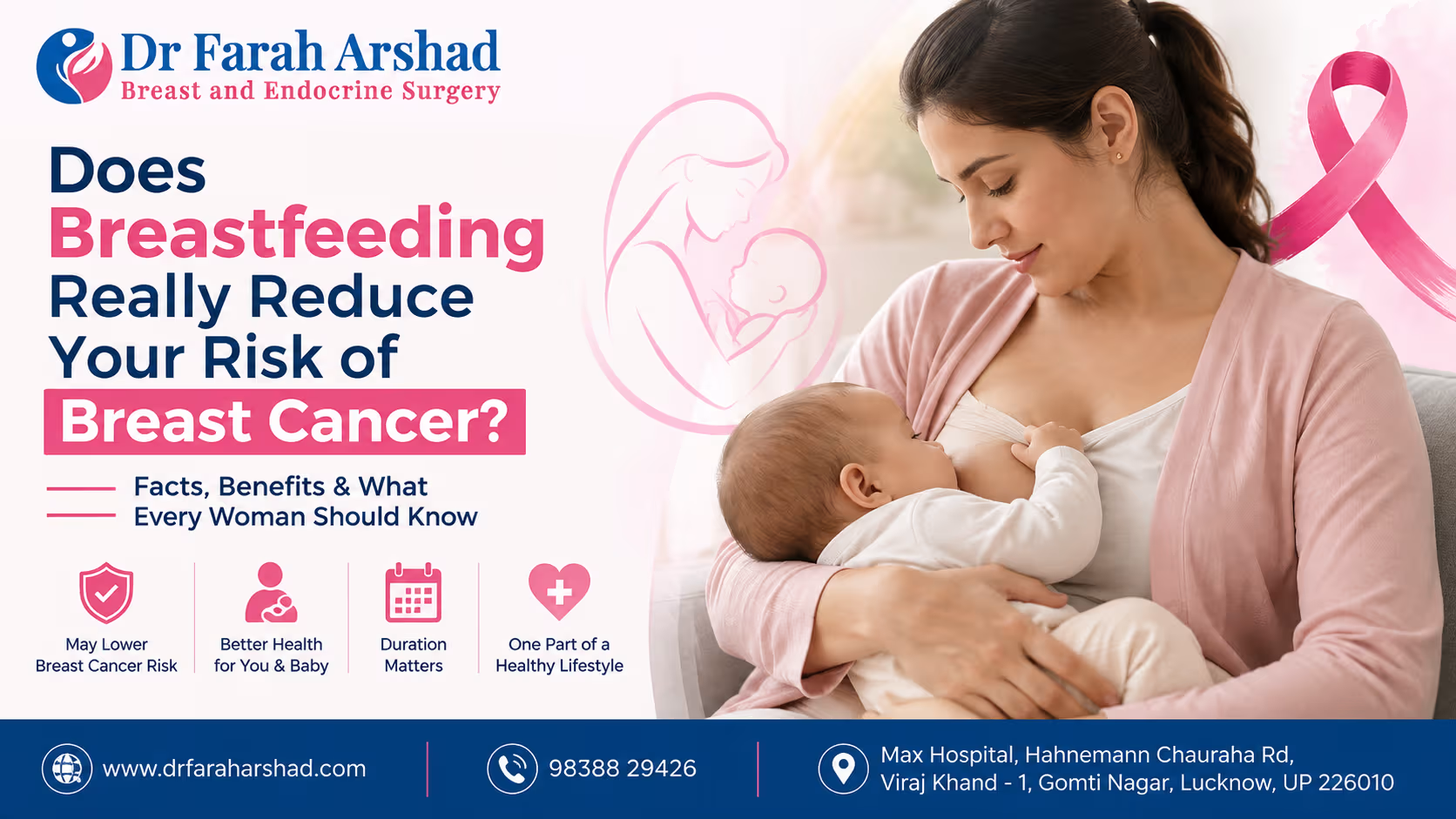
Breastfeeding is well known for its benefits for both mother and baby. But can breastfeeding also protect a woman against breast cancer?
Yes, research suggests that breastfeeding is associated with a lower risk of developing breast cancer. However, the reduction in risk is generally modest and depends partly on the total duration of breastfeeding. It does not mean that breastfeeding can completely prevent breast cancer.
The National Cancer Institute reports strong evidence that women who breastfeed have a lower risk of breast cancer. One large reanalysis of data from 47 epidemiological studies involving more than 50,000 women with breast cancer found that breast cancer risk decreased by about 4.3% for every 12 months of breastfeeding, in addition to the reduction associated with each birth.
As Dr Farah Arshad, Breast Cancer Specialist in Lucknow, explains, understanding protective factors can help women make informed decisions about their health—but breastfeeding should always be viewed as one part of overall breast cancer risk reduction, not as a guarantee of protection.
At a Glance: Breastfeeding and Breast Cancer Risk
| Question | Medical Answer |
|---|---|
| Can breastfeeding lower breast cancer risk? | Yes. Research shows an association with lower risk. |
| Does breastfeeding completely prevent breast cancer? | No. No single lifestyle factor can guarantee prevention. |
| Does longer breastfeeding matter? | Generally, longer total breastfeeding is associated with greater risk reduction. |
| Is breastfeeding for one year beneficial? | Evidence suggests breastfeeding for about a year or longer may provide a modest protective effect. |
| Can women who do not breastfeed still reduce their risk? | Absolutely. Physical activity, healthy weight, limiting alcohol and appropriate screening also matter. |
| Does breastfeeding replace breast screening? | No. Breast awareness and recommended screening remain important. |
How Does Breastfeeding Reduce Breast Cancer Risk?
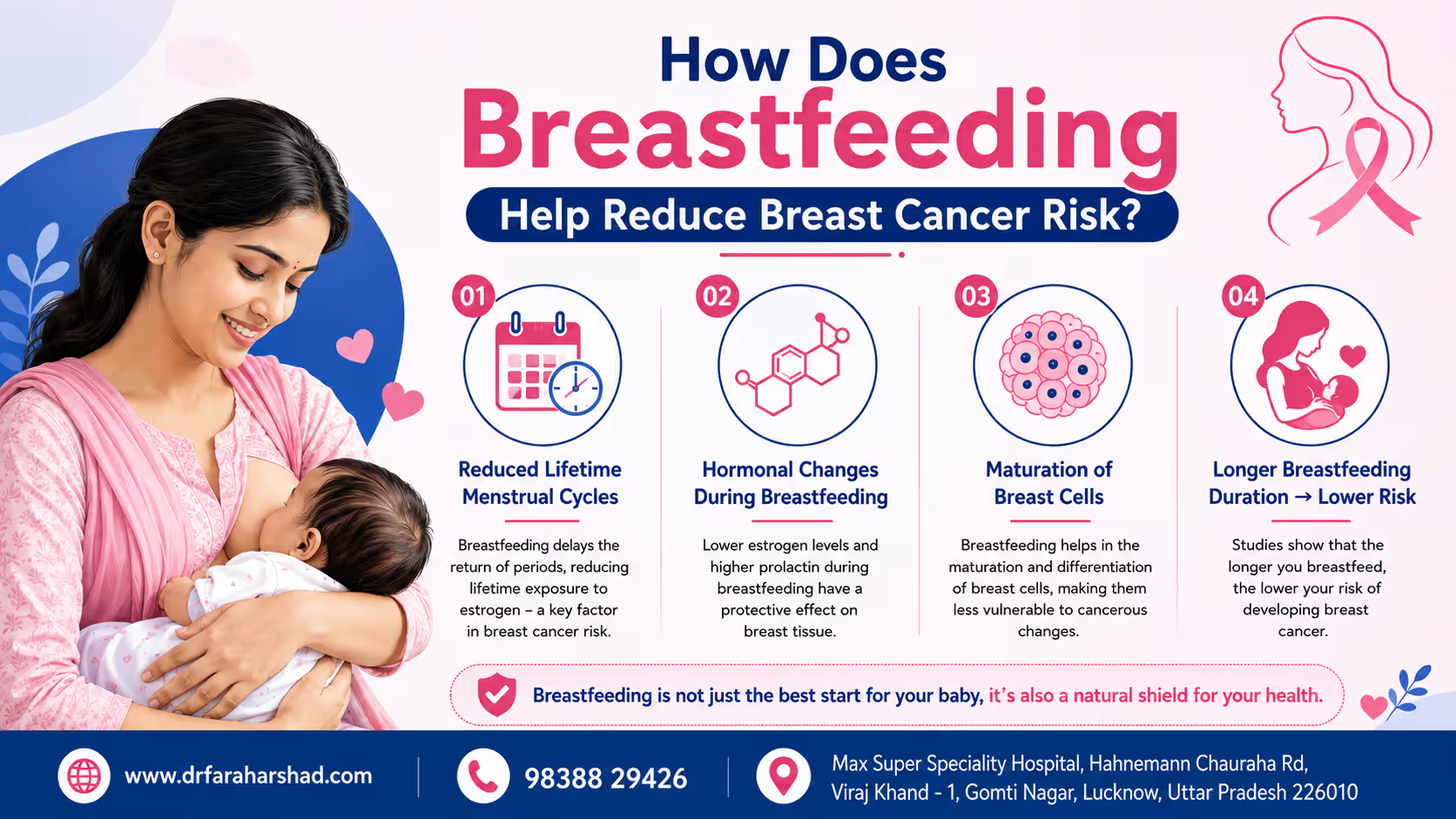
Scientists believe there are several possible reasons why breastfeeding may have a protective effect.
1. It reduces the number of menstrual cycles
During breastfeeding, especially when breastfeeding is frequent, the return of regular menstrual cycles may be delayed.
Fewer menstrual cycles over a woman’s lifetime can mean less cumulative exposure of breast tissue to hormones such as estrogen and progesterone.
The National Cancer Institute notes that pregnancy and breastfeeding reduce the lifetime number of menstrual cycles and are associated with lower breast cancer risk.
2. Breast cells mature during pregnancy and breastfeeding
Pregnancy and breastfeeding cause significant changes in breast tissue.
Breast cells mature so that they can produce milk. Researchers believe that these more differentiated cells may be less likely to undergo certain cancer-causing changes than immature breast cells.
3. Breastfeeding may help remove damaged cells
Another proposed explanation is that the process of producing milk and subsequently returning breast tissue toward its pre-pregnancy state may help eliminate some cells that could potentially develop abnormal changes.
This is one of the biological mechanisms researchers continue to investigate.
4. The protective effect may increase with longer duration
Research suggests that the total amount of time a woman breastfeeds across all pregnancies matters.
The NCI reports that breast cancer risk decreased by approximately 4.3% for every additional 12 months of breastfeeding, based on a large international analysis.
This does not mean that every woman who breastfeeds for one year will personally experience exactly a 4.3% reduction. It is a population-level association, not an individual guarantee.
How Much Does Breastfeeding Lower Breast Cancer Risk?
One of the most frequently asked questions is: “If I breastfeed, by how much does my breast cancer risk decrease?”
The answer is not a single number for every woman.
Breast cancer risk depends on many factors, including:
- Age
- Family history
- Genetic mutations such as BRCA1 or BRCA2
- Previous breast conditions
- Age at first pregnancy
- Number of pregnancies
- Menstrual history
- Body weight
- Physical activity
- Alcohol consumption
- Hormonal medications
- Breast density
- Previous radiation exposure
Therefore, breastfeeding should be considered a protective factor, rather than a standalone prevention strategy.
What the research shows
| Breastfeeding factor | What research suggests |
| Ever breastfeeding | Associated with lower breast cancer risk compared with never breastfeeding |
| Longer duration | Generally associated with greater reduction |
| Around 12 months total | Associated with approximately 4.3% lower relative risk per additional 12 months in a large analysis |
| Several months | May provide some protective benefit |
| Breastfeeding + healthy lifestyle | Can contribute to an overall risk-reduction strategy |
| Breastfeeding alone | Cannot eliminate breast cancer risk |
The American Cancer Society also notes that most studies suggest breastfeeding may slightly lower breast cancer risk, particularly when breastfeeding continues for a year or more.
Does Breastfeeding Reduce All Types of Breast Cancer?
Not necessarily.
Breast cancer is not one single disease. It includes different biological subtypes, and research suggests that the relationship between breastfeeding and cancer risk may vary by subtype.
Some studies suggest that breastfeeding may be particularly relevant to certain hormone receptor-negative breast cancers, although researchers are still studying the exact relationship.
The American Cancer Society notes that newer research suggests breastfeeding for any period may be protective against some hormone receptor-negative breast cancers, while additional research is needed.
This is important because women should not assume that breastfeeding provides identical protection against every form of breast cancer.
Does Breastfeeding Reduce Breast Cancer Risk in Women With BRCA Mutations?
This is a particularly important question for women with a strong family history of breast cancer.
Research suggests that breastfeeding may reduce breast cancer risk among women carrying a BRCA1 pathogenic variant, although the evidence is not the same for BRCA2 carriers.
The NCI reports that breastfeeding can reduce breast cancer risk in BRCA1 carriers, particularly with longer breastfeeding duration.
However, women with BRCA1, BRCA2 or other hereditary cancer-risk mutations should not rely on breastfeeding alone.
If you have:
- A strong family history of breast cancer
- Multiple relatives with breast or ovarian cancer
- Breast cancer at a young age in your family
- A known BRCA1 or BRCA2 mutation
- Other features suggesting hereditary cancer
you should discuss personalized risk assessment and appropriate screening with a breast specialist.
Can Breastfeeding Prevent Breast Cancer?
No.
This is one of the most important distinctions to understand.
Breastfeeding is associated with a lower risk of breast cancer, but it does not make a woman immune to the disease.
The National Cancer Institute emphasizes that no single measure can guarantee prevention. Other protective factors include maintaining a healthy weight and being physically active.
A woman who breastfed for two years can still develop breast cancer.
Similarly, a woman who did not breastfeed can remain completely healthy and never develop breast cancer.
Breast cancer develops through a complex combination of genetic, hormonal, environmental and lifestyle factors.
What If I Could Not Breastfeed?
Many women worry about this question.
You may have been unable to breastfeed because of:
- Medical complications
- Difficulty producing enough milk
- Breast surgery
- Medication
- Premature delivery
- Work or social circumstances
- Personal choice
- Problems with the baby’s feeding
- Other health-related reasons
Not breastfeeding does not mean that you will develop breast cancer.
The protective effect associated with breastfeeding is only one part of the overall picture.
If you could not breastfeed, there are still many things you can do to support your breast health.
What Else Can Reduce Breast Cancer Risk?
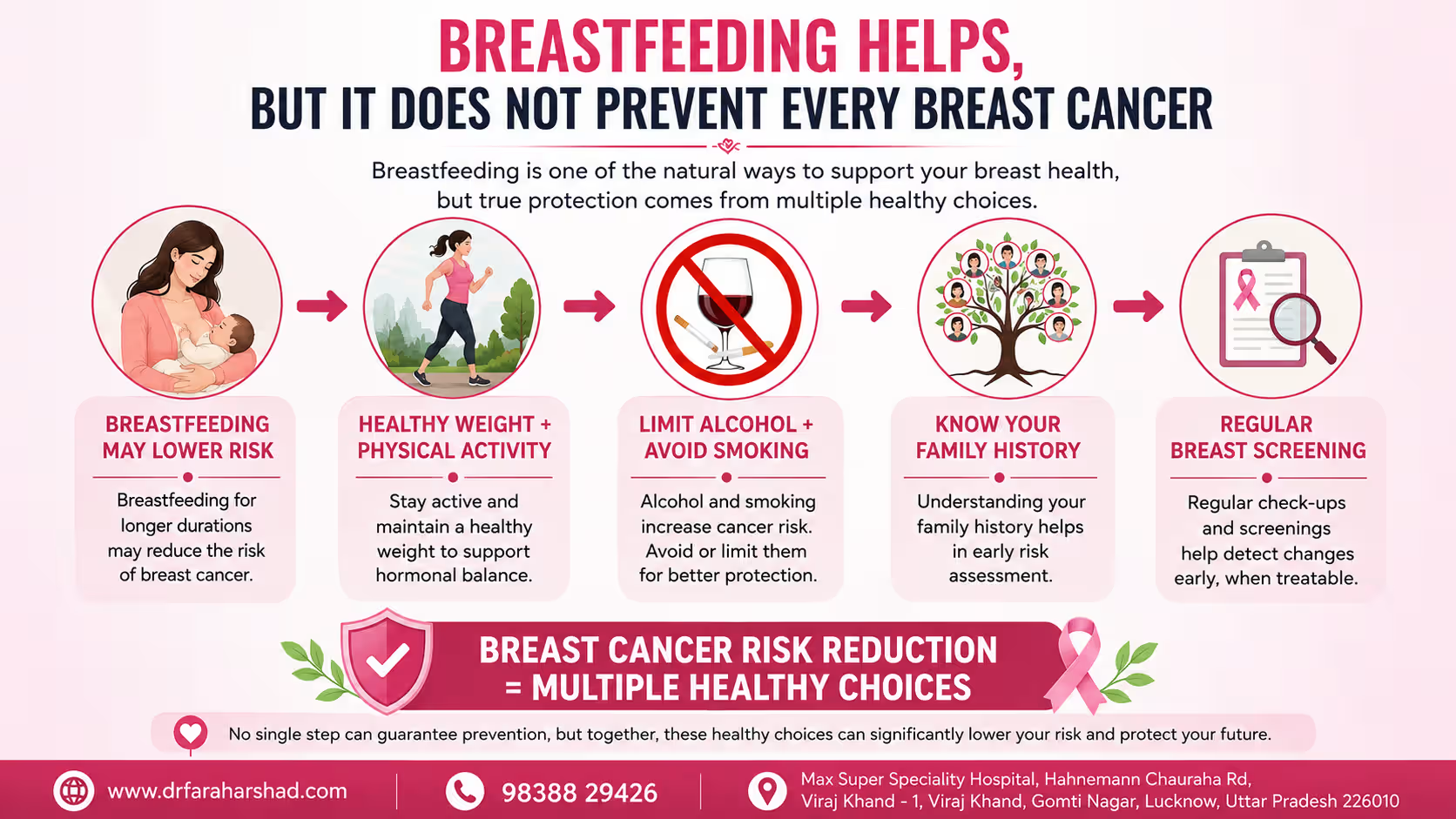
Breastfeeding is only one potential protective factor.
A comprehensive breast cancer risk-reduction strategy can include the following:
1. Stay physically active
Regular physical activity is associated with a lower risk of breast cancer. The NCI identifies physical activity as an established protective factor.
Aim for regular movement that is appropriate for your age and health, such as:
- Walking
- Cycling
- Swimming
- Yoga
- Strength training
- Other enjoyable physical activities
2. Maintain a healthy weight
Excess body weight, particularly after menopause, is associated with increased breast cancer risk.
3. Limit alcohol
Alcohol consumption is a modifiable breast cancer risk factor. The American Cancer Society recommends avoiding alcohol when possible because even relatively small amounts have been associated with increased breast cancer risk.
4. Avoid smoking
Avoiding tobacco is important for overall cancer prevention and general health.
5. Know your family history
Tell your doctor if close relatives have had:
- Breast cancer
- Ovarian cancer
- Pancreatic cancer
- Prostate cancer
- Breast cancer at a young age
- Cancer in both breasts
Your family history may influence when and how you should be screened.
6. Follow recommended breast screening
Breastfeeding does not replace breast screening.
Depending on your age, risk factors and personal history, your doctor may recommend mammography, ultrasound, MRI or other evaluation.
Breastfeeding vs Other Breast Cancer Risk-Reduction Measures
| Strategy | Potential role |
| Breastfeeding | Associated with modestly lower breast cancer risk |
| Physical activity | Protective factor |
| Healthy body weight | May reduce risk, particularly after menopause |
| Limiting alcohol | Can reduce an important modifiable risk |
| Avoiding smoking | Supports overall cancer prevention |
| Knowing family history | Helps identify women who may need personalized assessment |
| Appropriate screening | Helps detect breast cancer early |
| Genetic counselling/testing when appropriate | Helps identify inherited high-risk situations |
The key message is that risk reduction works best as a complete approach rather than relying on one behavior.
Does Breastfeeding Make Breast Cancer Screening Difficult?
Breastfeeding changes the breast naturally. The breasts may become:
- Fuller
- Tender
- Firm
- Lumpy
- More sensitive
These changes can sometimes make it more difficult to distinguish normal lactation-related changes from other abnormalities.
However, a new or persistent breast lump should not automatically be blamed on breastfeeding.
If you notice a lump that:
- Does not go away
- Continues to enlarge
- Feels unusually hard
- Is associated with skin changes
- Causes nipple changes
- Is associated with bloody nipple discharge
- Persists despite treatment for suspected infection
you should seek medical evaluation.
A doctor can decide whether examination, ultrasound, mammography or another test is appropriate.
Can Breastfeeding Cause Breast Lumps?
Breastfeeding itself does not cause breast cancer, but several benign conditions can cause breast lumps during breastfeeding.
These may include:
Milk-filled areas
A blocked milk duct can cause a localized tender area.
Mastitis
Breast inflammation or infection can cause pain, redness, swelling and sometimes fever.
Breast abscess
An abscess can develop following infection and may require medical treatment.
Galactocele
A galactocele is a milk-filled cyst that can occur during lactation.
These conditions are much more common explanations for breast changes during breastfeeding than cancer.
However, persistent or unexplained breast changes should still be evaluated rather than self-diagnosed.
What Does Dr Farah Arshad Recommend About Breast Health?
As a Breast Cancer Specialist in Lucknow, Dr Farah Arshad emphasizes the importance of understanding your personal breast cancer risk rather than relying on one preventive factor.
Breastfeeding can be a beneficial part of a woman’s reproductive and overall health journey, and evidence supports an association between breastfeeding and reduced breast cancer risk.
But breast health also means being aware of changes, understanding your family history, following appropriate screening recommendations and seeking medical advice when something does not feel normal.
If you notice a new breast lump, persistent breast pain, nipple discharge, nipple retraction, skin changes or another unexplained breast change, do not ignore it simply because you are breastfeeding or recently gave birth.
Early evaluation is important.
Frequently Asked Questions
1. Does breastfeeding really reduce the risk of breast cancer?
Yes. Multiple studies show that breastfeeding is associated with a modestly lower risk of breast cancer. The NCI reports approximately a 4.3% reduction in relative risk for every 12 months of breastfeeding in a large international analysis.
2. How long should I breastfeed to reduce breast cancer risk?
There is no specific duration that guarantees protection. Evidence suggests that longer total breastfeeding is generally associated with greater risk reduction. The American Cancer Society notes that breastfeeding for a year or more may provide a modest protective effect.
3. Can breastfeeding completely prevent breast cancer?
No. Breastfeeding can lower risk, but it cannot prevent every case of breast cancer. Genetics, age, family history, hormones, lifestyle and other factors also influence risk.
4. Does breastfeeding reduce the risk of breast cancer in BRCA1 carriers?
Evidence suggests breastfeeding may reduce breast cancer risk among women with BRCA1 pathogenic variants, particularly with longer breastfeeding duration. The evidence is not identical for BRCA2 carriers.
5. Can I get breast cancer while breastfeeding?
Yes. Breastfeeding does not eliminate breast cancer risk. A persistent or unexplained breast lump or other concerning breast change should be evaluated by a healthcare professional.
6. I never breastfed. Does that mean I am at high risk?
No. Not breastfeeding is only one factor among many. Your overall risk depends on your age, family history, genetics, reproductive history, lifestyle and other medical factors.
7. Does breastfeeding replace mammograms?
No. Breastfeeding is not a substitute for recommended breast cancer screening. Screening recommendations depend on your age and individual risk.
Final Takeaway: Breastfeeding Can Help, But It Is Not a Guarantee
So, does breastfeeding really reduce your risk of breast cancer?
Yes. Scientific evidence supports an association between breastfeeding and a modest reduction in breast cancer risk, with longer cumulative breastfeeding generally associated with greater protection. The NCI reports an estimated 4.3% reduction in relative risk for each 12 months of breastfeeding in a large international analysis.
But the bigger message is this:
Breastfeeding is one piece of breast cancer prevention—not a guarantee against breast cancer.
Maintaining a healthy lifestyle, staying physically active, limiting alcohol, understanding your family history and following appropriate screening recommendations are also important.
And if you notice a breast change that is new, persistent or unusual, do not ignore it because you are breastfeeding.
For women seeking personalized breast health advice or evaluation of a concerning breast change, Dr Farah Arshad, Breast Cancer Surgeon in Lucknow, can help assess the problem and guide you toward the appropriate next steps.
Your breast health deserves attention at every stage of life.
