



Breast Cancer Symptoms: 15 Warning Signs Every Woman Must Know
Posted by Dr. Farah Arshad | Breast Cancer Surgeon, Lucknow
When you search online for breast cancer symptoms, you’ll often find short, oversimplified lists. But real life isn’t that simple. Some symptoms are subtle. Some mimic normal hormonal changes. Some appear late in the disease progression. And here’s what many people don’t realize: early breast cancer may have no symptoms at all.
This comprehensive guide breaks down everything you need to know about breast cancer warning signs—in plain language, so you can recognize what matters and take action when needed.
Why Understanding Symptoms Matters
Early detection saves lives. It’s that simple.
When breast cancer is caught early, treatment is typically simpler, less invasive, and outcomes are significantly better. But to catch it early, you need to know what you’re looking for—and more importantly, when to act.
Let’s dive into the 15 key warning signs you should never ignore.
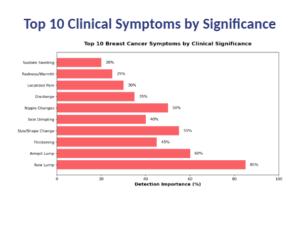
The 15 Warning Signs of Breast Cancer
1. A New Lump in the Breast
What to look for: A hard or firm lump that doesn’t go away. Surprisingly, many cancerous lumps are painless.
Important: Not every lump is cancer—many are harmless. But any new lump that persists for more than 2-3 weeks should always be checked by a doctor.
2. Lump in the Armpit
What to look for: Swelling under your arm that doesn’t go away or keeps getting larger.
Why it matters: Breast cancer can spread to nearby lymph nodes in the armpit. This isn’t something to wait on.
3. Thickening or Heaviness in One Breast
What to look for: One breast feels different—thicker, heavier, or just “off” compared to the other side.
What makes it concerning: Changes that remain for weeks and affect only one breast need evaluation.
4. Change in Breast Size or Shape
What to look for: One breast slowly becomes larger, swollen, or changes shape without a clear reason.
Note: Hormones can cause temporary changes, but one-sided changes that continue require examination.
5. Skin Dimpling or Orange Peel Appearance
What to look for: The skin on your breast starts to look like an orange peel or develops small dents.
Why it’s urgent: Skin changes like this often indicate that the condition needs immediate attention.
6. Nipple Turning Inward
What to look for: Your nipple suddenly turns inward or changes position, especially on just one side.
Important distinction: Some women naturally have inverted nipples—that’s normal. It’s the sudden change that matters.
7. Bloody or Clear Nipple Discharge
What to look for: Discharge that is bloody or clear, coming from only one breast.
Why it matters: While nipple discharge can happen for many reasons, this specific type requires proper testing.
8. Persistent Pain in One Area
What to look for: Pain that stays in one specific spot and doesn’t improve over time.
How it’s different: Normal breast pain is usually hormonal, affects both breasts, and changes with your menstrual cycle.
9. Redness, Warmth, or Swelling
What to look for: Your breast becomes red, warm, and swollen—almost like an infection.
The warning: If symptoms don’t improve with basic treatment, further tests are necessary. Some aggressive types of breast cancer present this way.
10. Sudden Swelling Without Injury
What to look for: Unexplained swelling or heaviness in one breast.
Why it matters: Even without a lump, this can sometimes signal a problem.
11. Rash on the Nipple That Doesn’t Heal
What to look for: A rash that looks like eczema but doesn’t heal or keeps coming back.
Why it needs attention: Persistent skin irritation can sometimes be linked to underlying issues.
12. Skin Becoming Thick or Hard
What to look for: The breast skin feels tighter, thicker, or harder than before, especially on one side.
13. New Visible Veins on One Breast
What to look for: Suddenly noticeable prominent veins on one breast that are new to you.
Why it’s worth checking: While uncommon, it can sometimes be linked to deeper changes.
14. A Non-Healing Wound or Ulcer
What to look for: Any sore or wound on the breast that doesn’t heal.
Action required: This is serious and requires immediate medical care.
15. Unexplained Weight Loss With Breast Changes
What to look for: Losing weight without trying, combined with any breast changes.
Action required: Consult a specialist as soon as possible.
The Truth About Breast Cancer Symptoms
Early Cancer May Have NO Symptoms
This is the most important fact that often gets overlooked: early breast cancer may not cause any symptoms at all.
That’s why regular screening and check-ups are so crucial, even when you feel perfectly healthy.
Don’t Wait for Severe Symptoms
Don’t wait for:
- Severe pain
- A large, obvious lump
- Symptoms that are impossible to ignore
Early detection usually means simpler treatment and better recovery.
✓ Not All Lumps Are Cancerous
Here’s some reassuring news: most breast lumps are benign (not cancer).
However, every new lump must be examined by a doctor to ensure it’s safe. It’s always better to check and find nothing than to wait and regret it.
When Should You See a Doctor?
You should schedule a medical evaluation if you notice:
-
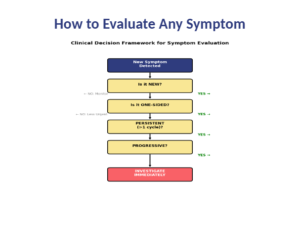
A new lump that lasts more than 2–3 weeks
-
Changes affecting only one breast
-
Symptoms that persist or worsen
-
Anything that feels different and doesn’t return to normal
Trust your body. You know it better than anyone else. If something feels off, it’s always better to get it checked.
Frequently Asked Questions
Is breast pain always a sign of cancer?
No. Most breast pain is hormonal and not related to cancer. It typically affects both breasts and fluctuates with your menstrual cycle.
However, pain that stays in one specific area and doesn’t go away should be evaluated by a doctor.
Are all breast lumps cancerous?
No. Many lumps are benign, meaning they’re not cancer. Common benign lumps include:
- Fibroadenomas (firm, round lumps)
- Cysts (fluid-filled sacs)
- Fat necrosis (harmless lumps from injury)
But every new lump must be examined to be safe—only a doctor can determine what it is.
Can young women get breast cancer?
Yes, although it’s less common in younger women. Breast cancer can affect women of all ages, so young women should also pay attention to unusual or persistent changes.
Risk increases with age, but it’s not zero at any age.
If my mammogram is normal, can I ignore symptoms?
No. A normal mammogram is reassuring, but if you have symptoms that continue, further evaluation may be needed.
Some breast cancers don’t show up well on mammograms, especially in women with dense breast tissue. Always discuss persistent concerns with your doctor.
How fast can breast cancer grow?
It varies widely. Some breast cancers grow slowly over months or years, while others grow more quickly.
That’s why early medical consultation is important when symptoms appear—you don’t want to give a fast-growing cancer time to progress.
Age and Risk: What You Should Know
Breast cancer risk increases with age. Here’s a general breakdown:
| Age Group | Relative Risk Level |
|---|---|
| 20-29 | Lowest (but not zero) |
| 30-39 | Low |
| 40-49 | Moderate |
| 50-59 | High |
| 60-69 | Very High |
| 70+ | Highest |
Important: These are general trends. Individual risk depends on many factors including family history, genetics, lifestyle, and other health conditions.
Take Action Early
Trust Your Instincts
Your body gives you signals. Listen to them.
If something feels different and doesn’t return to normal, it’s always better to get it checked. Don’t let fear or embarrassment stop you from seeking care.
The Power of Early Detection
When breast cancer is detected early:
- Treatment is often less invasive
- Recovery is typically faster
- Survival rates are significantly higher
- You have more treatment options
Early consultation can lead to early detection. Early detection can save lives.
Get Expert Care
If you notice any breast cancer symptoms or feel unsure about a breast change, don’t delay evaluation.
Dr. Farah Arshad – Breast Cancer Surgeon in Lucknow
Specialized in:
- Expert diagnosis and evaluation
- Advanced breast surgery
- Compassionate care for all breast conditions
Early consultation makes all the difference. Don’t wait—your health is worth it.
Final Thoughts
Breast cancer awareness isn’t about fear—it’s about empowerment.
By knowing what to look for, understanding when to act, and trusting your instincts, you’re taking control of your health. Share this information with the women in your life. Early detection starts with awareness.
Remember: Most symptoms turn out to be nothing serious. But the peace of mind that comes from getting checked is priceless.
Stay aware. Stay proactive. Stay healthy.
