



Know More About the Signs and Indications of Breast Cancer
Posted by Dr Farah Arshad | Female breast cancer surgeon, Lucknow
Breast cancer is a topic that many people feel scared to talk about. However, talking about it is the first step toward staying safe. When we talk about health, “early detection” is the most important phrase. This means finding a problem before it becomes big.
If you are looking for guidance, Dr Farah Arshad, a renowned Breast cancer specialist in Lucknow, believes that every woman should know her body well. When you know what is “normal” for you, you can easily spot when something is “not normal.”
In this detailed guide, we will learn about the Breast Cancer Signs and steps to take if you notice changes in your breasts.
What is Breast Cancer? (In Simple Words)
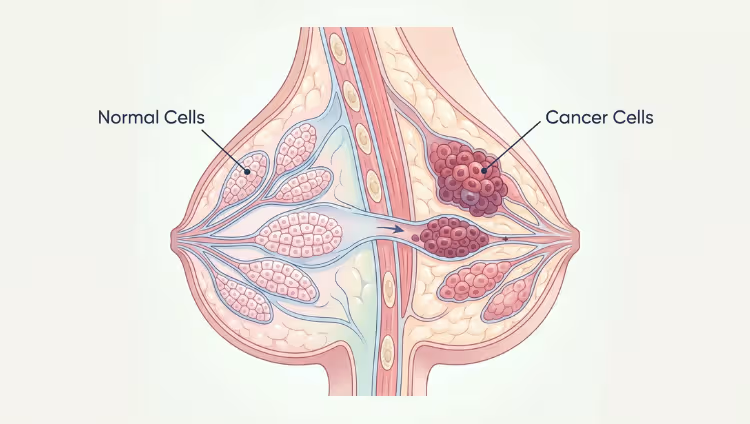
Our body is made of tiny building blocks called cells. Normally, these cells grow and die regularly. But sometimes, some cells start growing too fast and don’t stop. These extra cells form a mass called a “lump” or a “tumor.”
If these cells are harmful and can spread to other parts of the body, it is called cancer. Breast cancer starts in the tissues of the breast. It can happen to both women and men, though it is much more common in women.
If you ever feel worried, consulting a Female breast doctor in Lucknow can help clear your doubts.
Early Signs and Indications of Breast Cancer
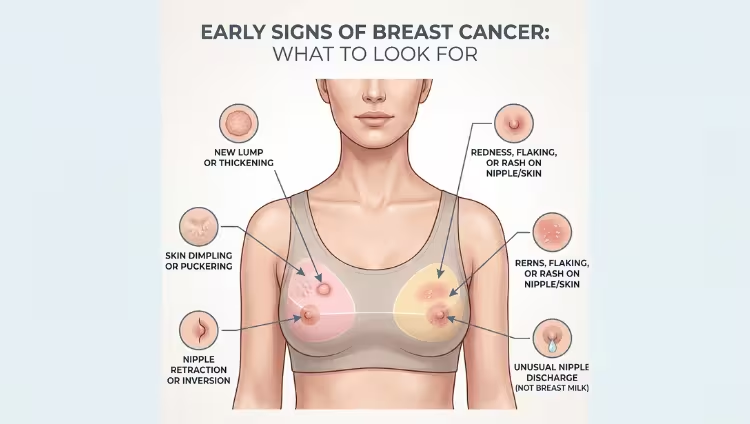
Most people think that a “painless lump” is the only sign of breast cancer. While a lump is a major sign, there are many other indicators to watch for.
1. A New Lump in the Breast or Armpit
This is the most common sign. A lump might feel like a hard knot or a thick spot.
-
How it feels: It is often (but not always) painless.
-
Where to check: Check the entire breast area and up into the armpit (axilla).
2. Changes in the Size or Shape of the Breast
It is normal for one breast to be slightly larger than the other. However, if one breast suddenly changes its size or shape significantly, it needs an expert’s look.
3. Skin Changes (The “Orange Peel” Look)
Sometimes the skin on the breast starts looking different. Look for:
-
Redness or flaky skin.
-
Puckering or dimpling (it looks like the skin of an orange).
-
Persistent itching that doesn’t go away with cream.
4. Nipple Changes or Discharge
Your nipples can tell you a lot about your breast health.
-
Inward Nipple: If a nipple that used to point out suddenly starts pulling inward (retraction).
-
Discharge: Any fluid coming out of the nipple (other than breast milk) should be checked, especially if it is bloody.
5. Constant Pain
While most breast cancers are not painful in the early stages, any “new” and “constant” pain in a specific spot should be reported to a Breast cancer surgeon in Lucknow.
Comparison Table: Normal Changes vs. Warning Signs
| Feature | Normal Change | Warning Sign (See a Doctor) |
| Lump | Lumps that come and go with periods. | A hard, fixed lump that stays after your period. |
| Size | Small changes during pregnancy or periods. | Sudden, visible swelling or shrinking of one breast. |
| Skin | Temporary redness from a tight bra. | Persistent dimpling, scaling, or “orange peel” texture. |
| Nipple | Normal discharge during breastfeeding. | Spontaneous discharge or nipple pulling inward. |
| Pain | General soreness before periods. | Sharp, localized pain in one specific spot. |
Step-by-Step Guide: How to Perform a Breast Self-Examination (BSE)
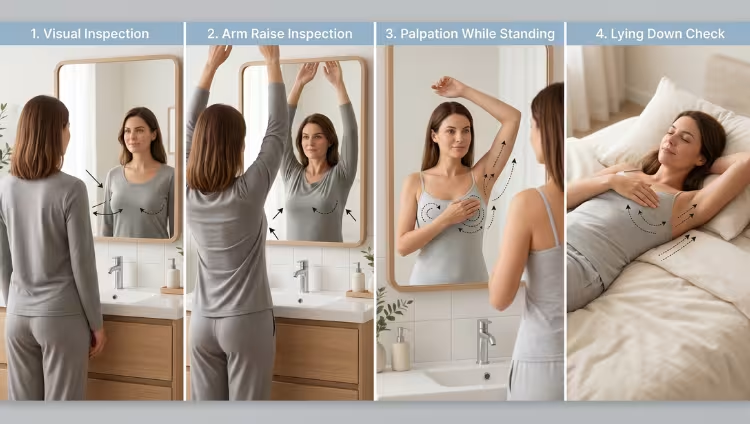
You don’t need any special tools to check your health. You only need your hands and a mirror. Follow these steps once a month (ideally 3-5 days after your period ends).
Step 1: The Mirror Test (Arms Down)
Stand in front of a mirror with your shoulders straight and arms on your hips. Look at your breasts. Check for:
-
Usual size, shape, and color.
-
Any visible distortion or swelling.
Step 2: The Mirror Test (Arms Up)
Raise your arms high above your head. Look for the same changes mentioned in Step 1. Observe if the breasts move upward equally.
Step 3: Check for Discharge
While at the mirror, look for any signs of fluid coming out of one or both nipples (this could be watery, milky, yellow, or bloody).
Step 4: The Lying Down Touch
Lie down on a bed. Use your right hand to feel your left breast and your left hand to feel your right breast.
-
Use a firm, smooth touch with the pads of your first three fingers.
-
Keep fingers flat and together.
-
Move in a circular motion, about the size of a coin.
-
Cover the entire breast from the collarbone to the top of the abdomen, and from the armpit to the cleavage.
Step 5: The Standing/Shower Touch
Many women find it easiest to feel their breasts when the skin is wet and slippery. Repeat the circular touching motions while standing in the shower.
If you find anything unusual during these steps, do not panic. Most lumps are not cancer, but you must get them checked by Dr Farah Arshad, a leading Breast cancer specialist in Lucknow.
Why Should You See a Specialist?
Lucknow has advanced medical facilities, and choosing the right doctor is crucial. A Breast cancer surgeon in Lucknow has the expertise to perform biopsies and surgeries if needed.
Many women feel shy or uncomfortable discussing breast issues. This is why visiting a Female breast doctor in Lucknow, like Dr. Farah Arshad, is helpful. She provides a comfortable and private environment where you can speak openly about your health.
Risk Factors: Who is More at Risk?
Knowing your risk level helps you stay alert. While anyone can get breast cancer, some factors increase the chances:
-
Gender: Being a woman is the main risk factor.
-
Age: The risk increases with age (usually above 40-50).
-
Family History: If your mother, sister, or daughter had breast cancer, your risk might be higher.
-
Lifestyle: Obesity, lack of exercise, and smoking can increase risk.
-
Menstrual History: Starting periods very early (before age 12) or starting menopause late (after 55).
How is Breast Cancer Diagnosed?
If you visit a clinic, the doctor will follow a professional process to ensure you are healthy:
-
Clinical Breast Exam: The doctor manually feels for lumps.
-
Mammogram: A special X-ray of the breast to see inside.
-
Ultrasound: Uses sound waves to see if a lump is a solid mass or a fluid-filled cyst.
-
Biopsy: A small piece of tissue is taken from the lump and tested in a lab. This is the only way to be 100% sure if it is cancer.
Prevention Tips for Every Woman
While you cannot prevent cancer 100%, you can certainly reduce your risks by following these simple steps:
-
Maintain a Healthy Weight: Try to stay active and eat more fruits and vegetables.
-
Exercise Regularly: Even a 30-minute walk every day makes a difference.
-
Limit Alcohol/Smoking: These habits are linked to many types of cancer.
-
Breastfeed: If possible, breastfeeding for a year or more can reduce the risk of breast cancer.
-
Regular Check-ups: Once you cross the age of 40, get a mammogram every year or as advised by your Breast cancer specialist in Lucknow.
Frequently Asked Questions (Breast Cancer Signs)
1. Is every breast lump a sign of cancer?
No. Actually, about 8 out of 10 lumps found in the breast are not cancerous. They could be cysts (fluid-filled sacs) or fibroadenomas (non-cancerous growths). However, you should never guess. Always let a doctor decide.
2. Does breast cancer always cause pain?
No. In fact, early-stage breast cancer is usually painless. If you wait for the lump to hurt before seeing a doctor, you might be delaying important treatment.
3. At what age should I start checking myself?
Women should start becoming “breast aware” in their 20s. Start doing self-examinations once a month so you know what is normal for your body.
4. Can men get breast cancer?
Yes. While it is rare, men do have a small amount of breast tissue and can develop breast cancer. They should also report any lumps or skin changes to a doctor.
5. Why should I choose Dr. Farah Arshad in Lucknow?
Dr Farah Arshad is a highly experienced Breast cancer surgeon in Lucknow. She specializes in female breast health and provides expert surgical and medical care with a compassionate approach.
6. What is a mammogram, and is it painful?
A mammogram is a quick X-ray of the breast. It involves pressing the breast between two plates for a few seconds. While it may feel a bit uncomfortable or tight, it is not “painful,” and it can save your life.
Conclusion
Your health is in your hands—literally! By spending just 5 minutes a month on a self-examination, you can protect yourself. Remember, breast cancer is highly treatable if it is caught early.
If you notice any change, whether it is a lump, skin redness, or nipple discharge, do not wait. Contact a professional immediately. For the best care, consult Dr Farah Arshad, the leading Breast cancer specialist in Lucknow.
As a trusted Female breast doctor in Lucknow, she is dedicated to helping women live healthy, cancer-free lives.
Contact Dr. Farah Arshad Today
Don’t let fear stop you from getting a check-up. Early consultation is the key to a healthy future.
📍 Location: Max Hospital Lucknow, Uttar Pradesh
👩⚕️ Expertise: Breast Cancer Surgery & Specialized Breast Care
Book your appointment now with the best Breast cancer surgeon in Lucknow and take the first step towards your well-being!
