



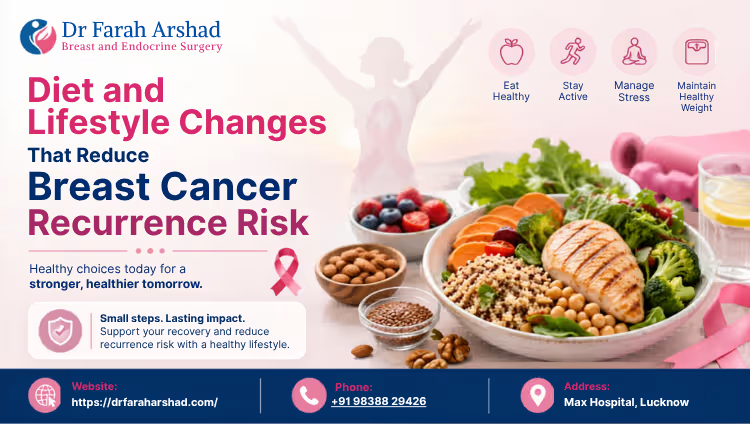
Introduction: Life After Breast Cancer Treatment
Completing breast cancer treatment—whether it involved surgery, chemotherapy, radiation, or hormone therapy—is a monumental milestone. However, for many survivors, the end of active treatment marks the beginning of a new emotional challenge: the fear of recurrence. It is natural to worry about the cancer returning, but this phase of life also offers an opportunity to take proactive steps toward health.
Adopting a specialized Diet for Breast Cancer Survivors and making intentional lifestyle choices are among the most powerful ways to regain a sense of control. While medical treatments target the cancer cells directly, lifestyle changes focus on creating an internal environment where cancer is less likely to thrive. Research increasingly shows that nutrition, physical activity, and weight management play a pivotal role in long-term survivorship.
This guide is designed to empower you with evidence-based strategies. By understanding how a Diet for Breast Cancer Survivors impacts your body, you can make sustainable changes that not only aim to reduce recurrence risk but also improve your energy, mood, and overall quality of life.
What Is Breast Cancer Recurrence?
Breast cancer recurrence happens when breast cancer cells return after a period during which the cancer could not be detected. Even with the best possible treatment, a few microscopic cancer cells can sometimes survive and remain dormant in the body. Over time, these cells may begin to grow again.
There are three main types of recurrence:
-
Local Recurrence: The cancer returns in the same breast or near the original surgery site (lumpectomy or mastectomy scar).
-
Regional Recurrence: The cancer is found in the nearby lymph nodes, usually in the underarm (axilla) or collarbone area.
-
Distant Recurrence (Metastatic): The cancer spreads to distant organs, such as the lungs, bones, liver, or brain.
The risk of recurrence depends on several factors, including the stage at diagnosis, the biological subtype of the cancer (such as ER-positive or HER2-positive), and the treatments received. While some factors are beyond a survivor’s control, implementing a Diet for Breast Cancer Survivors is a modifiable factor that can significantly influence long-term health.
Why a Diet for Breast Cancer Survivors Matters
The connection between nutrition and cancer is complex but well-documented. A Diet for Breast Cancer Survivors matters because what we eat influences the chemical “messengers” in our bodies.
1. Hormonal Influences
Many breast cancers are hormone-sensitive. Excess body fat, particularly around the abdomen, can increase estrogen levels in the body. Since estrogen can fuel the growth of certain breast cancer cells, managing weight through a healthy Diet for Breast Cancer Survivors is a critical defense mechanism.
2. Inflammation
Chronic inflammation is a known driver of cancer progression. Highly processed foods, trans fats, and excessive sugar can promote inflammation. Conversely, a diet rich in antioxidants and phytonutrients helps “cool” this inflammation, potentially making the body less hospitable to cancer.
3. Metabolic Health and Insulin
High levels of insulin and insulin-like growth factor (IGF-1) have been linked to an increased risk of breast cancer recurrence. A Diet for Breast Cancer Survivors that focuses on complex carbohydrates and fiber helps stabilize blood sugar levels, keeping insulin in a healthy range.
4. Supporting the Immune System
Treatment often leaves the immune system fatigued. Nutrient-dense foods provide the vitamins and minerals necessary for the immune system to identify and destroy abnormal cells.
Key Nutrition Principles for a Diet for Breast Cancer Survivors
When establishing a Diet for Breast Cancer Survivors, the goal isn’t perfection—it’s consistency and sustainability. Here are the foundational principles:
-
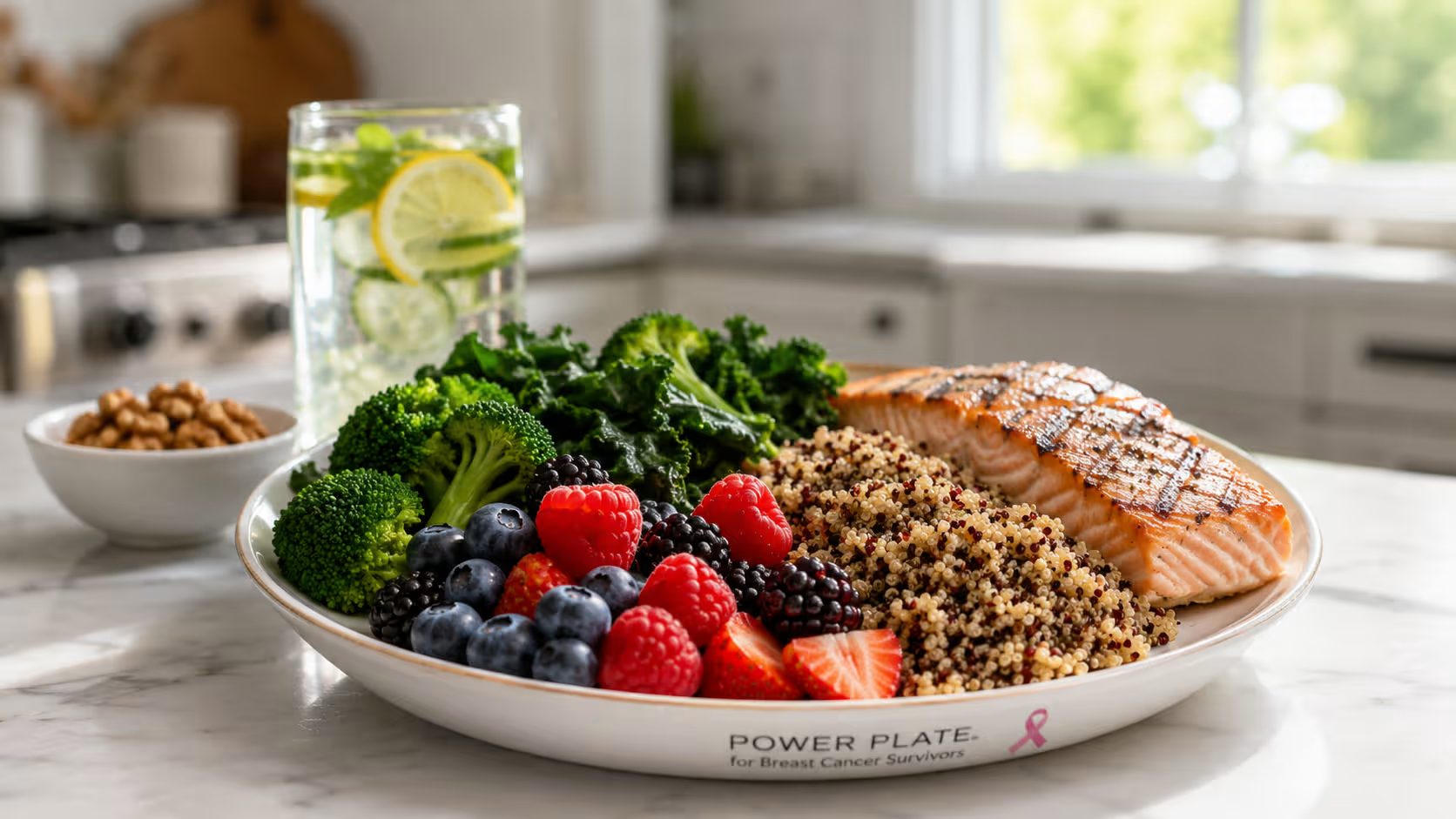
Balanced Nutrition: Aim for a “Plate Method” approach where half your plate consists of vegetables and fruits, one-quarter is lean protein, and one-quarter is whole grains.
-
Portion Control: Even healthy foods have calories. Learning to listen to hunger cues and managing portion sizes helps maintain a healthy BMI.
-
Variety of Foods: Different colors in fruits and vegetables represent different protective phytochemicals. “Eat the rainbow” to ensure a broad spectrum of nutrients.
-
Sustainable Habits: Avoid “crash diets” or extreme restrictions. A successful Diet for Breast Cancer Survivors is one that you can enjoy for the rest of your life.
-
Long-term Dietary Planning: Prepare meals at home more often to control ingredients like sodium, sugar, and unhealthy fats.
Best Foods to Include in a Diet for Breast Cancer Survivors
Choosing the right foods can help your body recover from treatment and strengthen your defenses. A robust Diet for Breast Cancer Survivors should prioritize the following:
1. Fruits and Vegetables
These are the cornerstones of a cancer-protective diet. Aim for at least 5–9 servings per day. They provide fiber, vitamins, and antioxidants that protect DNA from damage.
2. Whole Grains
Swap white bread and white rice for quinoa, brown rice, oats, and whole-wheat pasta. Whole grains are rich in fiber, which helps regulate estrogen levels by binding to it in the digestive tract and carrying it out of the body.
3. Lean Proteins
Focus on plant-based proteins like lentils, chickpeas, and organic soy (tofu/tempeh). For animal proteins, choose skinless poultry and fatty fish. Limit red meat (beef, lamb, pork) to no more than 18 ounces per week.
4. Healthy Fats
Not all fats are bad. Monounsaturated and omega-3 fatty acids found in olive oil, avocados, walnuts, and flaxseeds are anti-inflammatory and essential for heart health.
5. Hydration
Water is the best choice. Staying hydrated helps the kidneys flush out toxins left over from treatment and maintains energy levels.
Foods That May Help Support Long-Term Breast Health
While no single food is a “magic bullet,” certain items in a Diet for Breast Cancer Survivors have shown promise in clinical observations:
-
Cruciferous Vegetables: Broccoli, cauliflower, kale, and Brussels sprouts contain sulforaphane and indoles, which may help detoxify harmful substances and inhibit cancer cell growth.
-
Berries: Blueberries, raspberries, and strawberries are packed with anthocyanins, which are potent antioxidants.
-
Legumes: Beans and lentils are excellent sources of fiber and folate. High fiber intake is consistently associated with lower breast cancer risk.
-
Nuts and Seeds: Flaxseeds, in particular, contain lignans, which may interfere with estrogen’s ability to promote cancer growth.
-
Fatty Fish: Salmon, mackerel, and sardines provide Vitamin D and Omega-3s, which support immune function.
-
Green Tea: Contains polyphenols such as EGCG, which may help prevent cellular damage.
Foods and Habits Breast Cancer Survivors Should Limit
To maximize the benefits of a Diet for Breast Cancer Survivors, it is equally important to know what to reduce:
-
Processed and Red Meats: Sausages, bacon, and deli meats are associated with increased cancer risk.
-
Ultra-Processed Snacks: These are often “empty calories” that lead to weight gain and spike insulin levels.
-
Excess Sugar: High sugar intake leads to weight gain and inflammation. Monitor hidden sugars in sodas, “healthy” yogurts, and condiments.
-
Excess Alcohol: Research suggests that even small amounts of alcohol can increase the risk of breast cancer recurrence by raising estrogen levels. It is generally recommended to limit or eliminate alcohol.
-
Smoking: Tobacco use increases the risk of complications and secondary cancers.
-
Sedentary Lifestyle: Sitting for long periods can negatively affect metabolic health.
The Role of Exercise in Reducing Breast Cancer Recurrence Risk
In addition to a Diet for Breast Cancer Survivors, physical activity is a non-negotiable part of the recovery equation. Exercise helps lower insulin levels, reduces inflammation, and assists in weight maintenance.
-
Aerobic Exercise: Walking, swimming, or cycling for at least 150 minutes of moderate intensity per week is the gold standard.
-
Strength Training: Loss of muscle mass (sarcopenia) is common after chemotherapy. Lifting light weights or using resistance bands twice a week helps rebuild muscle and supports bone health, especially for those on aromatase inhibitors.
-
Yoga and Stretching: These practices help manage the joint pain and stiffness often associated with hormonal therapies and reduce cortisol (the stress hormone).

Step-by-Step Lifestyle Plan for Breast Cancer Survivors
-
Follow Medical Advice: Always prioritize the treatment plan laid out by your oncology team.
-
Maintain a Healthy Weight: Focus on a slow, steady return to a healthy BMI.
-
Follow a Diet for Breast Cancer Survivors: Use the food lists above to stock your pantry.
-
Exercise Consistently: Start with 10-minute walks and gradually increase.
-
Sleep 7–8 Hours: Quality sleep is when the body repairs cellular damage.
-
Manage Stress: Practice mindfulness, meditation, or join a support group.
-
Avoid Smoking: Seek cessation programs if needed.
-
Attend Follow-Up Appointments: Never skip your scheduled screenings with your specialist.
Diet and Lifestyle Risk Reduction Chart
| Lifestyle Factor | Potential Impact | Recommended Action |
| Weight Control | High impact on estrogen levels | Aim for a BMI between 18.5 and 24.9 |
| Exercise | Improves insulin sensitivity | 150 min/week moderate activity |
| Diet Quality | Reduces systemic inflammation | Focus on a plant-heavy Diet for Breast Cancer Survivors |
| Alcohol Intake | Linked to higher recurrence risk | Limit to <3 drinks per week (preferably zero) |
| Smoking | Increases risk of secondary cancers | Complete cessation |
| Sleep Quality | Supports immune surveillance | 7–9 hours of restful sleep per night |
The table above summarizes the most effective modifiable lifestyle factors that survivors can control to improve their long-term health outlook.
Maintaining a Healthy Weight After Breast Cancer Treatment
Many women find themselves gaining weight during or after treatment due to “chemo-pause” (early menopause), steroid medications, or decreased activity. However, weight management is perhaps the most significant lifestyle factor in preventing recurrence.
Focus on nutrient density rather than calorie counting. By following a Diet for Breast Cancer Survivors that is high in fiber and protein, you will feel fuller for longer, making it easier to maintain a healthy weight without feeling deprived.
Sleep, Stress Management, and Emotional Well-Being
The mind-body connection is powerful. Chronic stress keeps the body in a “fight or flight” mode, which can suppress the immune system.
-
Stress Management: Techniques like deep breathing, journaling, and spending time in nature can lower blood pressure and stress hormones.
-
Support Groups: Sharing experiences with other survivors can reduce the emotional burden of the “fear of recurrence.”
-
Sleep Hygiene: Maintain a cool, dark room and avoid screens 60 minutes before bed to ensure your body gets the restorative sleep it needs.

Importance of Follow-Up Care and Screening
While a Diet for Breast Cancer Survivors provides a strong foundation, it does not replace the need for rigorous medical monitoring. Regular follow-up care is essential for detecting any changes early, when they are most treatable.
Follow-up care typically includes:
-
Mammograms: Usually performed annually or as recommended by your doctor.
-
Clinical Breast Exams: Regular physical checks by your oncologist.
-
Symptom Monitoring: Paying attention to your body and reporting any new or persistent changes.
For those seeking expert survivorship planning, consulting a dedicated professional is key. Dr Farah Arshad, a renowned Breast Cancer Surgeon in Lucknow, emphasizes the integration of lifestyle medicine with clinical follow-ups to ensure the best possible outcomes for her patients. Having a specialist who understands both the medical and nutritional needs of a survivor is invaluable.
Common Myths and Facts About Diet for Breast Cancer Survivors
Myth 1: One Superfood Prevents Cancer Recurrence
-
Fact: No single food (like kale or turmeric) can prevent cancer alone. It is the overall pattern of a Diet for Breast Cancer Survivors that matters most.
Myth 2: Sugar Directly Feeds Cancer
-
Fact: While all cells use glucose for energy, sugar doesn’t “feed” cancer specifically. However, too much sugar leads to weight gain and high insulin, which increases cancer risk.
Myth 3: Supplements Can Replace Healthy Eating
-
Fact: Whole foods contain a complex synergy of nutrients that pills cannot replicate. Supplements should only be used to correct specific deficiencies identified by your doctor.
Myth 4: Exercise Is Unsafe After Breast Cancer
-
Fact: Physical activity is not only safe but highly recommended. It can even help reduce the risk of lymphedema and bone loss.
Myth 5: Follow-Up Care Is No Longer Necessary
-
Fact: Survivorship is a lifelong journey. Regular visits to a Breast Cancer Specialist in Lucknow are crucial for long-term health.
When Should Breast Cancer Survivors Contact Their Doctor?
Even when following a perfect Diet for Breast Cancer Survivors, you must stay vigilant. Contact your medical team if you notice:
-
A new lump or thickening in the breast or underarm area.
-
Changes in the skin of the breast (redness, dimpling, or puckering).
-
Unexplained weight loss.
-
Persistent bone pain or a constant cough.
-
Severe or persistent headaches.
-
Swelling in the arm or hand (signs of lymphedema).

Final Thoughts
The journey of a breast cancer survivor is one of resilience. While the fear of recurrence can be daunting, focusing on what you can control—your nutrition, your movement, and your mindset—is incredibly empowering. A balanced Diet for Breast Cancer Survivors is not about restriction; it is about nourishing your body with the tools it needs to stay strong and healthy.
Remember that no guaranteed method exists to prevent recurrence, but healthy habits significantly tilt the scales in your favor. Combine your lifestyle changes with consistent follow-up care for a comprehensive approach to wellness.
FAQs
1. What is the best Diet for Breast Cancer Survivors?
The best diet is one rich in plant-based foods, including vegetables, fruits, whole grains, and legumes, while being low in processed meats, refined sugars, and excessive alcohol.
2. Can diet reduce breast cancer recurrence risk?
Yes, research suggests that a diet that helps maintain a healthy weight and reduces inflammation can lower the risk of recurrence and improve overall survival.
3. Which foods should breast cancer survivors avoid?
It is best to limit ultra-processed foods, charred meats, sugary beverages, and alcohol. These can contribute to weight gain and hormonal imbalances.
4. Is exercise important after breast cancer treatment?
Absolutely. Exercise helps manage weight, reduces fatigue, improves mood, and lowers levels of hormones that could potentially fuel cancer growth.
5. Can weight gain increase recurrence risk?
Yes, excess body fat produces estrogen and promotes inflammation, both of which are linked to a higher risk of breast cancer returning.
6. Is alcohol safe after breast cancer treatment?
Most experts recommend limiting alcohol to no more than one drink a day, though many suggest avoiding it entirely to minimize recurrence risk.
7. How often should survivors have follow-up appointments?
Typically, follow-ups occur every 3–6 months for the first few years, then annually, though your specialist will determine the best schedule for you.
8. Are supplements necessary after breast cancer treatment?
Supplements are not a replacement for a healthy diet. You should only take them if prescribed by your doctor to address a specific deficiency (like Vitamin D).
9. What lifestyle changes help reduce recurrence risk?
The most effective changes include maintaining a healthy weight, eating a nutrient-dense diet, exercising regularly, and managing stress.
10. When should I consult a Breast Cancer Specialist?
You should consult a Breast Cancer Specialist in Lucknow for regular screenings, if you notice new symptoms, or to create a personalized survivorship and nutrition plan.
Recovery after breast cancer treatment does not end with the completion of therapy. Healthy eating, regular exercise, weight management, stress control, and routine follow-up care all play important roles in long-term wellness.
If you have questions about survivorship care, nutrition planning, breast health monitoring, or recurrence prevention, consult Dr Farah Arshad, a trusted Female Breast Cancer Specialist in Lucknow, for personalized guidance and expert care. Taking proactive steps today can lead to a healthier, more confident tomorrow.
