



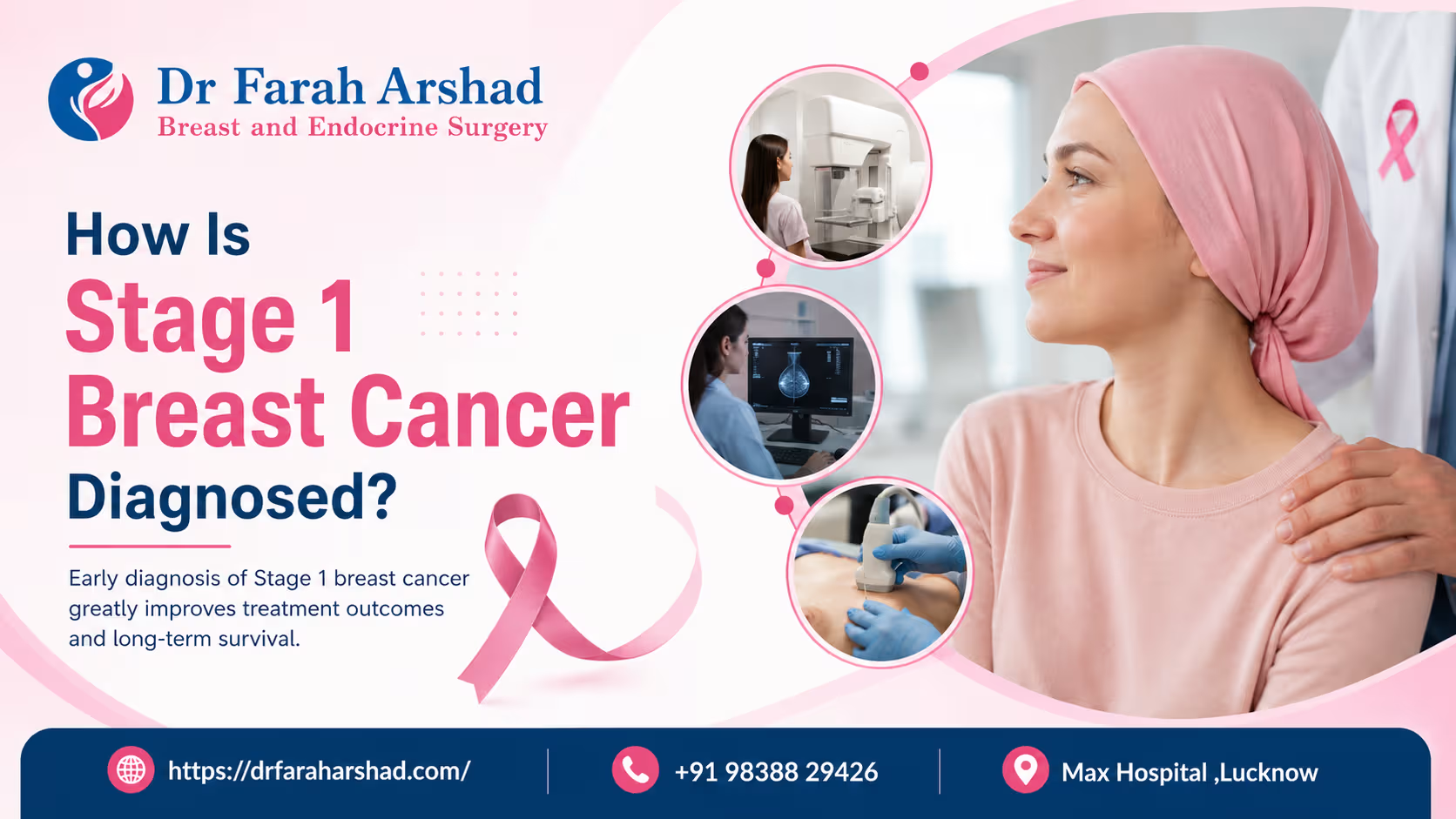
A breast cancer diagnosis is a life-altering moment. For many patients and their families, the first reaction is a mix of fear, confusion, and an immediate search for answers. However, it is important to remember that cancer care has advanced significantly over the last decade.
If you or a loved one has been diagnosed with Stage 1 breast cancer, there is a substantial reason for optimism. Stage 1 is an early-stage cancer, meaning it is small and localized. When breast cancer is caught at this stage, the treatment outcomes are exceptionally positive. Understanding the stage of your cancer is the first step toward effective treatment and long-term health.
Is Stage 1 Breast Cancer Curable?
Yes, Stage 1 breast cancer is considered highly treatable and, in many cases, curable. When diagnosed early and managed with timely surgery and appropriate follow-up care, the five-year survival rate for Stage 1 breast cancer is nearly 100%.
What Is Stage 1 Breast Cancer?
To understand if Stage 1 breast cancer is curable, we must first understand what “Stage 1” actually means. Doctors use “staging” to describe the size of the tumor and how far it has spread.
Understanding Breast Cancer Staging
Breast cancer is usually staged using the TNM system:
-
T (Tumor): How big is the lump?
-
N (Node): Has it reached the lymph nodes?
-
M (Metastasis): Has it spread to other parts of the body?
What Does Stage 1 Mean?
Stage 1 breast cancer is the earliest stage of invasive breast cancer. Unlike “Stage 0” (which is non-invasive), Stage 1 cells have begun to invade the surrounding healthy breast tissue but remain contained within a small area.
Stage 1A vs. Stage 1B Breast Cancer
Stage 1 is further divided into two sub-categories:
-
Stage 1A: The tumor is 2 centimeters or smaller (about the size of a peanut) and has not spread to the lymph nodes.
-
Stage 1B: Either there is no tumor in the breast, but small clusters of cancer cells (between 0.2mm and 2mm) are found in the lymph nodes, or there is a small tumor in the breast along with small clusters of cancer cells in the lymph nodes.
Dr Farah Arshad emphasizes that regardless of whether it is 1A or 1B, the prognosis remains excellent because the cancer has not traveled to distant organs.
Is Stage 1 Breast Cancer Curable?
In the medical world, doctors often use the term “remission” or “no evidence of disease” (NED). However, for Stage 1 patients, the word “curable” is frequently used because the likelihood of the cancer returning after treatment is very low.
Why Early Detection Improves Outcomes
The primary reason Stage 1 has such a high cure rate is that the cancer is caught before it has the opportunity to enter the bloodstream or the lymphatic system extensively. When the cancer is localized, a breast cancer specialist can physically remove the threat through surgery, often followed by therapies that “mop up” any remaining microscopic cells.
Factors That Influence Cure Rates
While the stage is the most important factor, other elements play a role in the outcome:
-
Hormone Receptor Status: Is the cancer fueled by estrogen or progesterone?
-
HER2 Status: Is the cancer positive for the HER2 protein?
-
Grade of the Cancer: How aggressive do the cells look under a microscope?
-
Patient Age and Health: Overall physical health supports better recovery.
How Is Stage 1 Breast Cancer Diagnosed?
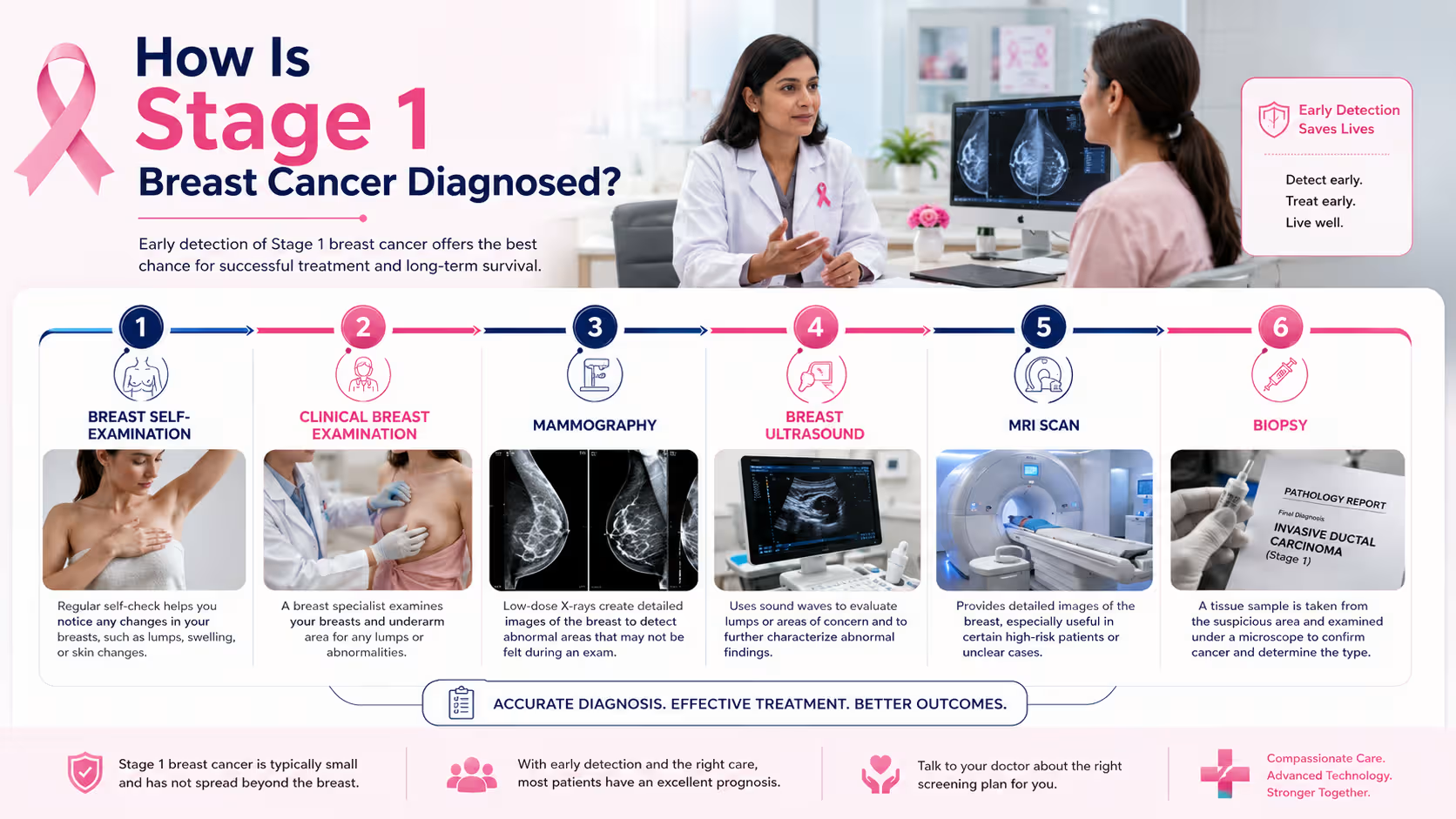
Early breast cancer is often “silent,” meaning it doesn’t always cause pain. Diagnosis typically involves a multi-step process.
-
Breast Self-Examination: Many women first notice a small, hard lump during a monthly self-check.
-
Clinical Breast Examination: A physical exam performed by a healthcare professional like Dr Farah Arshad.
-
Mammography: The gold standard for screening. It can often detect Stage 1 tumors long before they can be felt by hand.
-
Breast Ultrasound: Used to determine if a lump is a solid mass or a fluid-filled cyst.
-
MRI Breast: Provides detailed images and is often used for high-risk patients or to check the extent of the disease.
-
Biopsy: The only definitive way to diagnose cancer. A small sample of tissue is removed and examined by a pathologist.
Common Symptoms of Stage 1 Breast Cancer
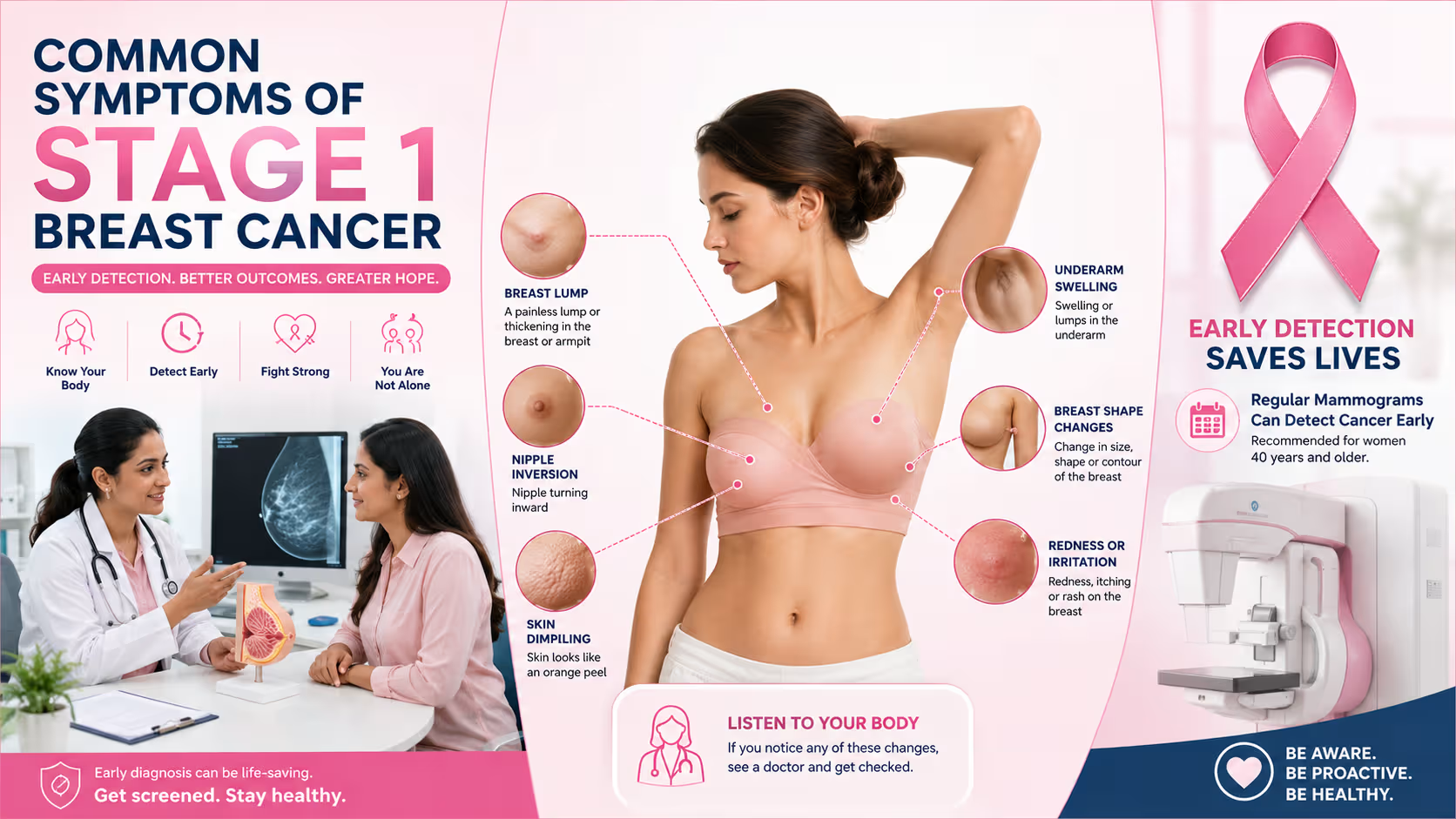
Because Stage 1 tumors are small, they may not cause any symptoms. This is why regular screening is vital. However, some women may notice:
-
A Small Breast Lump: Usually hard, painless, and does not move easily.
-
Changes in Breast Shape: A slight pulling or dimpling of the skin.
-
Skin Changes: Redness, scaling, or a texture similar to an orange peel (peau d’orange).
-
Nipple Changes: A nipple that starts to turn inward (inversion) or unusual discharge.
-
Swelling: Specifically in the armpit or around the collarbone.
Who Is at Risk for Breast Cancer?
Understanding your risk factors can help you and your doctor decide on the best screening schedule.
| Risk Factor | Description |
| Increasing Age | Risk increases as women get older, particularly after age 50. |
| Family History | Having a mother, sister, or daughter with breast cancer increases risk. |
| Genetic Mutations | Inherited changes to genes like BRCA1 and BRCA2. |
| Hormonal Factors | Early menstruation (before 12) or late menopause (after 55). |
| Obesity | Increased body fat can raise estrogen levels, fueling certain cancers. |
| Lifestyle Factors | High alcohol consumption and lack of physical activity. |
Treatment Options for Stage 1 Breast Cancer
The goal of treating Stage 1 breast cancer is to remove the cancer and prevent it from returning. As the Female Breast Cancer Surgeon in Lucknow creates personalized treatment plans based on the specific characteristics of the tumor.
1. Surgery: The Main Treatment
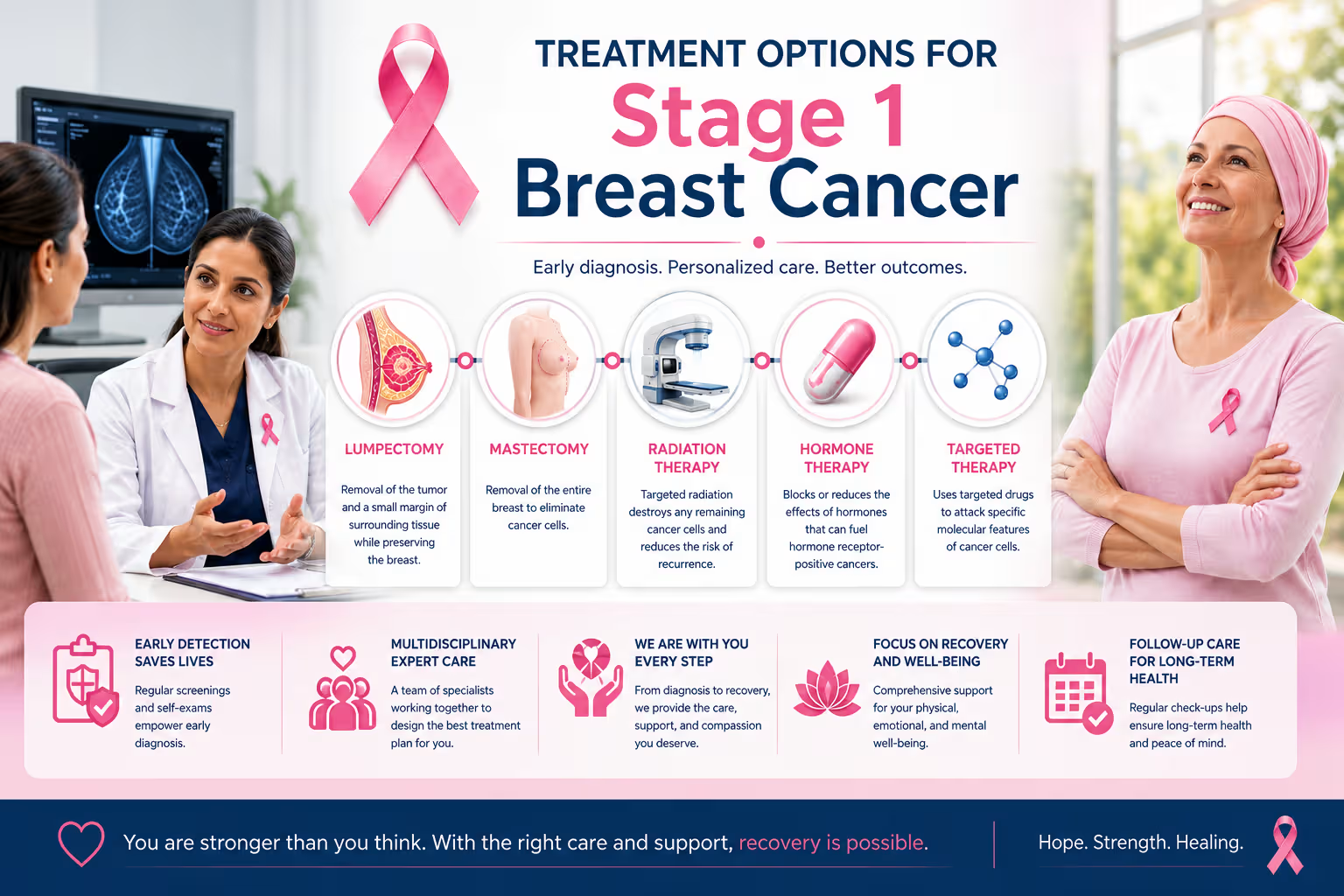
Surgery is almost always the first line of defense for Stage 1.
-
Lumpectomy (Breast-Conserving Surgery): The surgeon removes the tumor and a small margin of healthy tissue around it, leaving the rest of the breast intact.
-
Mastectomy: In some cases, removing the entire breast is necessary or preferred by the patient.
-
Sentinel Lymph Node Biopsy: The surgeon removes one or two “sentinel” nodes to ensure the cancer hasn’t begun to spread.
2. Radiation Therapy
Following a lumpectomy, radiation is usually recommended to destroy any microscopic cancer cells left in the breast tissue.
3. Hormone Therapy
If the cancer is hormone-receptor-positive (ER+ or PR+), drugs like Tamoxifen or Aromatase Inhibitors are used for 5–10 years to block hormones from fueling cancer growth.
4. Targeted Therapy
For HER2-positive cancers, medications like Trastuzumab (Herceptin) target specific proteins on the cancer cells.
5. Chemotherapy (When Needed)
Most Stage 1 patients do not need chemotherapy. However, if the cancer is “Triple Negative” or has a high genomic recurrence score (determined by tests like Oncotype DX), chemotherapy may be recommended to reduce the risk of the cancer returning elsewhere in the body.
Step-by-Step Treatment Journey for Stage 1 Breast Cancer
Navigating treatment can feel like a marathon. Here is a typical roadmap:
-
Step 1: Diagnosis: Confirmation via biopsy and imaging.
-
Step 2: Staging and Evaluation: Determining the exact subtype of the cancer.
-
Step 3: Treatment Planning: Consulting with a breast cancer specialist to weigh surgical options.
-
Step 4: Surgery: The primary procedure to remove the tumor.
-
Step 5: Additional Therapies: Starting radiation, hormone therapy, or targeted therapy if required.
-
Step 6: Follow-Up Care: Regular scans and physical exams to monitor health.
What Are the Survival Rates for Stage 1 Breast Cancer?
Statistics offer great reassurance for those diagnosed at this stage. According to the American Cancer Society and SEER data, the five-year relative survival rate for localized (Stage 1) breast cancer is 99%.
This means that five years after diagnosis, 99 out of 100 women are alive. Many of these women go on to live full, healthy lives for decades without the cancer ever returning. Dr Farah Arshad notes that with modern advancements, we are now looking at “survival” not just in terms of years, but in terms of quality of life and long-term wellness.
Can Stage 1 Breast Cancer Come Back?
While the cure rate is high, doctors must address the possibility of recurrence.
-
Local Recurrence: Cancer returns in the same breast.
-
Regional Recurrence: Cancer appears in the nearby lymph nodes.
-
Distant Recurrence: Also known as metastatic cancer, where it appears in the lungs, bones, or liver.
To reduce these risks, patients must strictly follow their post-surgical treatment plans, such as taking prescribed hormone therapy. Regular follow-ups with the Breast Cancer Surgeon in Lucknow ensure that if anything does change, it is caught immediately.
Life After Treatment: What Can Patients Expect?
Recovery involves both the body and the mind.
Physical and Emotional Recovery
After surgery and radiation, fatigue is common. Patients may also experience “brain fog” or emotional ups and downs. Joining a support group or speaking with a counselor can be incredibly beneficial.
Lifestyle and Diet Changes
To support long-term health, patients are encouraged to:
-
Maintain a Healthy Weight: Fat cells produce estrogen, which can influence recurrence risk.
-
Eat a Plant-Forward Diet: Focus on fruits, vegetables, whole grains, and lean proteins.
-
Exercise Regularly: At least 150 minutes of moderate activity per week.
-
Limit Alcohol: Studies show a link between alcohol consumption and breast cancer risk.
-
Avoid Tobacco: Quitting smoking improves overall recovery and lung health.
Breast Cancer Awareness and Early Detection in Lucknow
In regions like Lucknow, awareness is the key to improving survival rates. Many women hesitate to seek help due to fear or lack of information. However, early detection of breast cancer is the difference between a minor surgical procedure and an intensive, multi-year treatment battle.
Dr Farah Arshad is a leading advocate for mammography awareness in Lucknow. She emphasizes that every woman over 40 (or earlier if there is a family history) should have an annual mammogram. As the Best Breast Cancer Surgeon in Lucknow, Dr. Arshad provides personalized care that combines the latest surgical techniques with a compassionate, patient-centered approach.
Accessing specialized care locally means patients can receive treatment close to their support systems, which is vital for emotional recovery.
When Should You Consult a Breast Cancer Specialist?
You should book a consultation if you notice:
-
A new lump or thickening in the breast or underarm.
-
A change in the size or shape of the breast.
-
Dimpling or puckering of the skin.
-
Nipple discharge other than breast milk.
-
A persistent “pulling” sensation or pain in a specific spot.
If you have an abnormal mammogram finding, do not wait. Early evaluation by an experienced surgeon can provide clarity and a proactive path forward.
Common Myths and Facts About Stage 1 Breast Cancer
-
Myth 1: All Breast Cancer Is Life-Threatening.
-
Fact: Stage 1 breast cancer has a survival rate of nearly 100% with proper treatment.
-
-
Myth 2: Stage 1 Always Requires a Mastectomy.
-
Fact: Most Stage 1 patients are candidates for a lumpectomy (breast-conserving surgery).
-
-
Myth 3: If There Is No Pain, It Cannot Be Cancer.
-
Fact: Early-stage breast cancer is usually painless.
-
-
Myth 4: Young Women Cannot Get Breast Cancer.
-
Fact: While rarer, young women can develop breast cancer, often due to genetic factors.
-
-
Myth 5: Treatment Ends After Surgery.
-
Fact: Most patients require follow-up therapies (like hormone pills) to prevent recurrence.
-
Conclusion
Is Stage 1 breast cancer curable? For the vast majority of women, the answer is a resounding yes.
Stage 1 breast cancer represents a window of opportunity. Because the disease is caught in its earliest form, the medical community has highly effective tools to eliminate it. From advanced surgical techniques to targeted hormonal therapies, the path to recovery is well-defined and successful.
The most important factors in beating breast cancer are awareness, early detection, and timely intervention. Seeking care from a specialized professional, such as Dr Farah Arshad, ensures that you receive a diagnosis backed by expertise and a treatment plan tailored to your unique biology.
Call to Action
A diagnosis of Stage 1 breast cancer can feel overwhelming, but early detection offers the best opportunity for a full recovery. If you have noticed any changes in your breast health or need a second opinion on a recent diagnosis, do not delay.
Consult Dr Farah Arshad, the Best Breast Cancer Surgeon in Lucknow, for expert guidance and compassionate care. Early evaluation saves lives—schedule your consultation today.
FAQs – Is Stage 1 Breast Cancer Curable?
1. Is Stage 1 breast cancer completely curable?
While doctors prefer terms like “remission,” Stage 1 is considered highly curable because it is localized and responds exceptionally well to treatment.
2. What is the survival rate for Stage 1 breast cancer?
The 5-year relative survival rate for Stage 1 (localized) breast cancer is approximately 99%.
3. Does Stage 1 breast cancer require chemotherapy?
Not always. Many Stage 1 patients only require surgery and radiation. Chemotherapy is usually reserved for aggressive subtypes like Triple Negative or HER2-positive cancers.
4. Can Stage 1 breast cancer spread?
By definition, Stage 1 has not spread to distant organs. However, without treatment, it can progress to higher stages.
5. What is the best treatment for Stage 1 breast cancer?
The “best” treatment is personalized but typically involves a lumpectomy followed by radiation and possibly hormone therapy.
6. How long does recovery take after treatment?
Physical recovery from surgery usually takes 2–4 weeks. If radiation is required, it may take several more weeks. Most women return to their normal lives within a few months.
7. Can Stage 1 breast cancer come back after treatment?
While the risk is low (under 5–10% for many), it can return. This is why long-term follow-up care and healthy lifestyle choices are essential.
