



Introduction
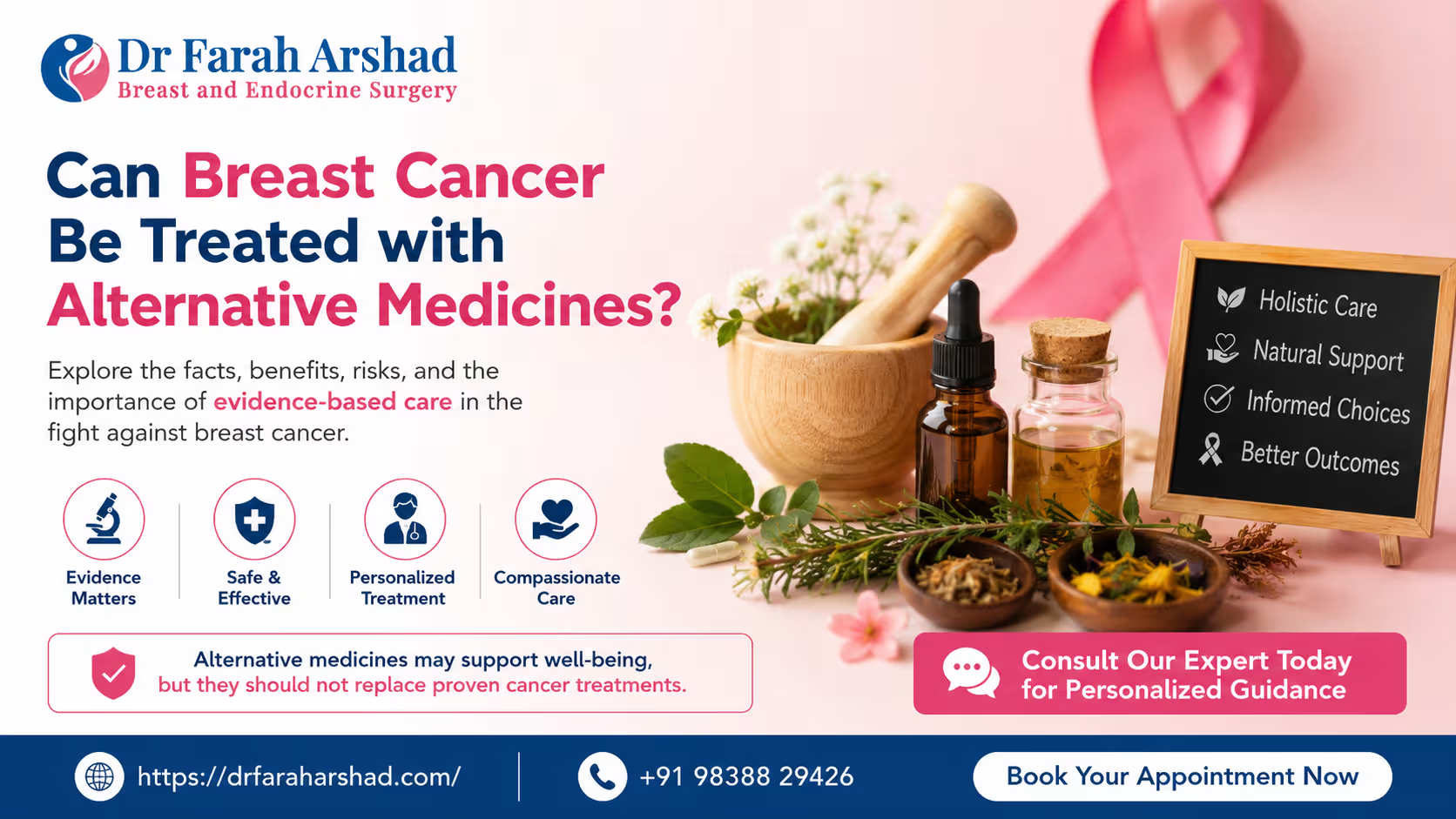
Receiving a breast cancer diagnosis is an emotionally taxing experience that often brings deep uncertainty and fear. In the search for hope and a sense of control over their health, many patients naturally begin exploring the role of alternative medicine for breast cancer.
With the overwhelming influence of social media and internet testimonials promising “natural” or “miracle” cures, it can be incredibly difficult to distinguish between helpful, supportive care and dangerous misinformation.
Alternative medicines alone are not proven to cure breast cancer. Standard medical treatments—including surgery, chemotherapy, radiation therapy, and targeted therapies—remain the only scientifically validated methods to eliminate cancer cells. However, integrative care (supportive therapies like yoga, acupuncture, and nutrition) can safely improve quality of life alongside evidence-based medical treatment.
What Is the Difference Between Alternative and Integrative Medicine?
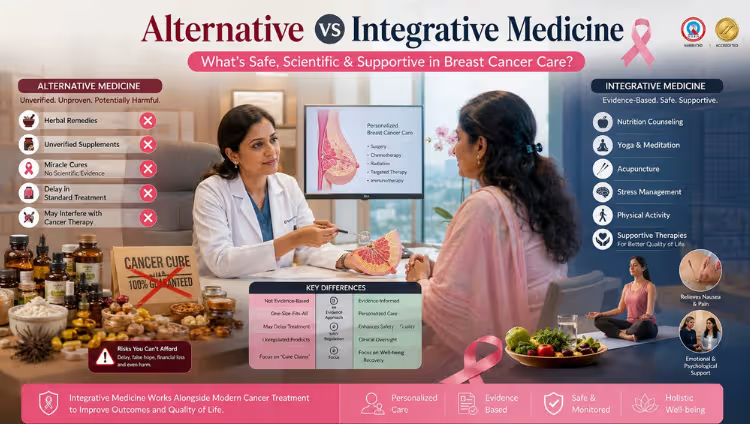
Before diving into specific therapies, we must clarify the terminology. These terms are often used interchangeably, but in oncology, they mean two very different things.
1. Alternative Medicine
Alternative medicine refers to the use of non-standard treatments instead of conventional medical care. If a patient chooses to drink herbal teas or follow a specific juice cleanse rather than undergo a recommended mastectomy or chemotherapy, they are using alternative medicine.
The risk: Choosing alternative medicine alone often leads to treatment delays, allowing the cancer to grow and spread (metastasize) to other organs, which significantly reduces the chances of survival.
2. Complementary and Integrative Medicine
Integrative medicine is the practice of combining standard medical treatments with evidence-based supportive therapies. It is an “and,” not an “or.”
For example, a patient undergoing chemotherapy (Standard) might also practice meditation or receive acupuncture (Complementary) to manage nausea and anxiety. This holistic approach focuses on the whole person—mind, body, and spirit—without compromising the curative potential of medical science.
The benefit: Integrative care focuses on symptom management and quality of life improvement, helping patients stay strong enough to complete their primary medical treatments.
Common Alternative Therapies for Breast Cancer
Many patients ask about specific therapies they’ve seen online. Let’s look at the most common ones and what the science actually says.
1. Herbal Remedies
From turmeric (curcumin) and green tea extracts to more obscure herbs like Essiac tea or Graviola, herbal remedies are widely marketed.
-
The Reality: While some herbs have anti-inflammatory properties, there is no evidence that they can shrink human breast cancer tumors.
-
The Danger: Herbs are pharmacologically active. Some can interfere with chemotherapy or hormone therapy (like Tamoxifen), making the life-saving drugs less effective or more toxic. Always consult your oncologist before adding any herb to your routine.
2. Acupuncture
Acupuncture involves inserting thin needles into specific points on the body.
-
The Role: It is highly effective for symptom relief. Many clinical trials show it helps manage chemotherapy-induced nausea, hot flashes from hormone therapy, and chronic pain.
-
Medical Guidance: It should be performed by a licensed practitioner who understands the needs of cancer patients (e.g., avoiding areas with lymphedema).
3. Homeopathy
Homeopathy is based on the principle of “like cures like” and uses highly diluted substances.
-
The Reality: There is a profound lack of scientific evidence that homeopathic remedies have any effect on cancer cells.
-
Patient Beliefs: While homeopathy may offer a psychological sense of comfort for some, it must never replace surgery or medical oncology.
4. Dietary Supplements
Patients often take high doses of Vitamin C, Vitamin E, or antioxidants, believing they “boost the immune system.”
-
The Risk: High-dose antioxidants can actually protect cancer cells from the oxidative stress caused by radiation and certain chemotherapies, effectively “shielding” the cancer from the treatment meant to kill it.
5. Mind-Body Practices
Meditation, deep breathing exercises, and guided imagery are staples of integrative care.
-
The Role: These do not cure cancer, but they are vital for emotional well-being. They lower cortisol (stress hormone) levels, improve sleep, and help patients cope with the trauma of diagnosis.
6. Special Diets (Alkaline, Keto, Gerson)
There is a persistent myth that “starving” cancer of sugar or making the body “alkaline” will cure the disease.
-
The Reality: The body tightly regulates its pH regardless of what you eat. Extremely restrictive diets can lead to malnutrition and muscle wasting (cachexia), making it harder for the body to recover from surgery or tolerate chemotherapy.
Evidence and Risks of Alternative Treatments
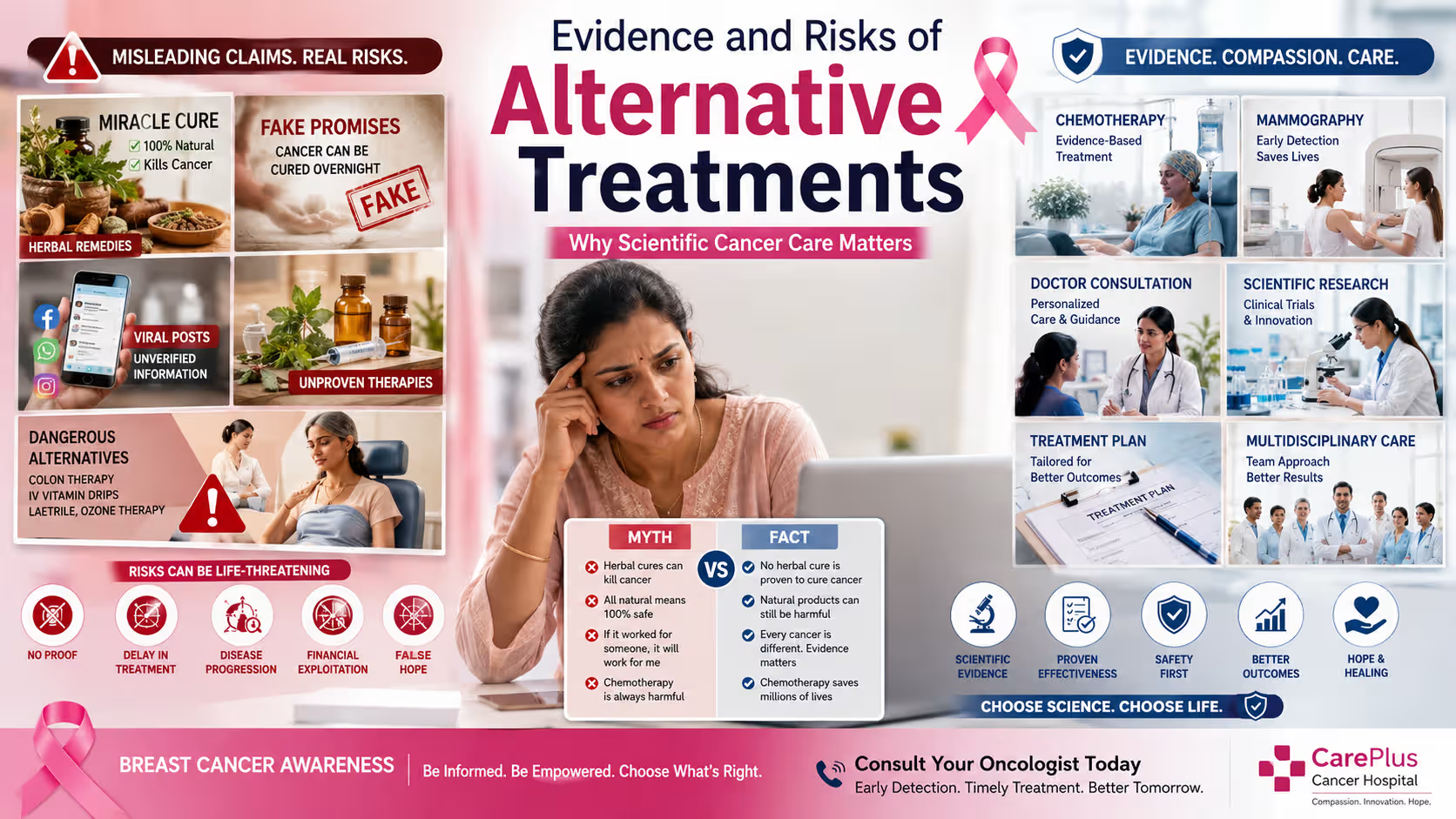
As a breast cancer specialist in Lucknow, my priority is patient safety. When patients choose alternative medicine over standard care, they face significant risks.
1. Lack of Scientific Evidence
Standard treatments undergo years of rigorous Phase I, II, and III clinical trials involving thousands of patients before they are approved. Most alternative therapies have only “anecdotal evidence”—individual stories that cannot be scientifically verified or replicated.
2. The Danger of Toxicity
Many “natural” supplements are not regulated by health authorities with the same rigour as pharmaceuticals. They may contain heavy metals, contaminants, or undeclared ingredients that can cause:
-
Liver Damage: Processing high doses of unknown herbs can overwhelm the liver.
-
Kidney Strain: Some supplements can cause acute kidney injury.
3. The Tragedy of False Hope and Delay
The greatest risk of alternative medicine is the loss of time. Breast cancer is most curable when caught and treated early. Choosing an unproven “natural” cure for six months can allow a Stage 1 (highly treatable) cancer to progress to Stage 4 (incurable).
Why Standard Breast Cancer Treatment Still Matters
The reason doctors recommend surgery, chemotherapy, and radiation is simple: They work.
-
Surgery: The most direct way to remove the primary tumor.
-
Chemotherapy: Uses powerful drugs to kill rapidly dividing cells throughout the body, catching microscopic cancer cells that surgery might miss.
-
Radiation Therapy: Uses high-energy beams to destroy any remaining cancer cells in the breast or lymph node area.
-
Hormone Therapy: For ER-positive cancers, these drugs block the “fuel” that helps cancer grow.
-
Targeted Therapy: Modern drugs (like Herceptin) specifically target the proteins (like HER2) that allow cancer cells to multiply.
These treatments are the gold standard because they have been proven in millions of patients to extend life and, in many cases, provide a total cure.
Integrative Medicine: The Safe Way to Use Supportive Care
While we discourage “alternative” medicine (replacing care), we actively encourage “integrative” medicine (supporting care). Here is how you can safely incorporate supportive therapies:
Yoga and Physical Activity
Yoga combines physical postures with breathing. For breast cancer survivors, it helps maintain shoulder mobility after surgery, reduces fatigue, and improves bone density, which can be affected by certain treatments.
Nutritional Counseling
Instead of “miracle diets,” work with a clinical nutritionist. A balanced diet rich in lean proteins, fiber, and healthy fats helps your body repair healthy tissues damaged during treatment.
Massage Therapy
Oncology massage can reduce lymphedema (swelling), lower anxiety, and improve circulation. It provides a much-needed sense of relaxation and “body positivity” during a difficult time.
Real-Life Perspective: Anita’s Story
Anita (name changed), a 45-year-old mother, was diagnosed with Stage 2 breast cancer. Scared of losing her hair, she initially refused chemotherapy and spent four months on a strict “black salve” and herbal protocol recommended by an online group.
When she finally came to see me, the tumor had doubled in size and spread to her lymph nodes. She required much more aggressive surgery and stronger chemotherapy than she would have needed initially.
Anita eventually integrated meditation and ginger tea (for nausea) into her medical plan. She recovered, but her journey was significantly harder because of the initial delay. Her story is a reminder: Supportive care helps you through the treatment; medical care saves your life.
How to Identify Misinformation About “Cancer Cures”
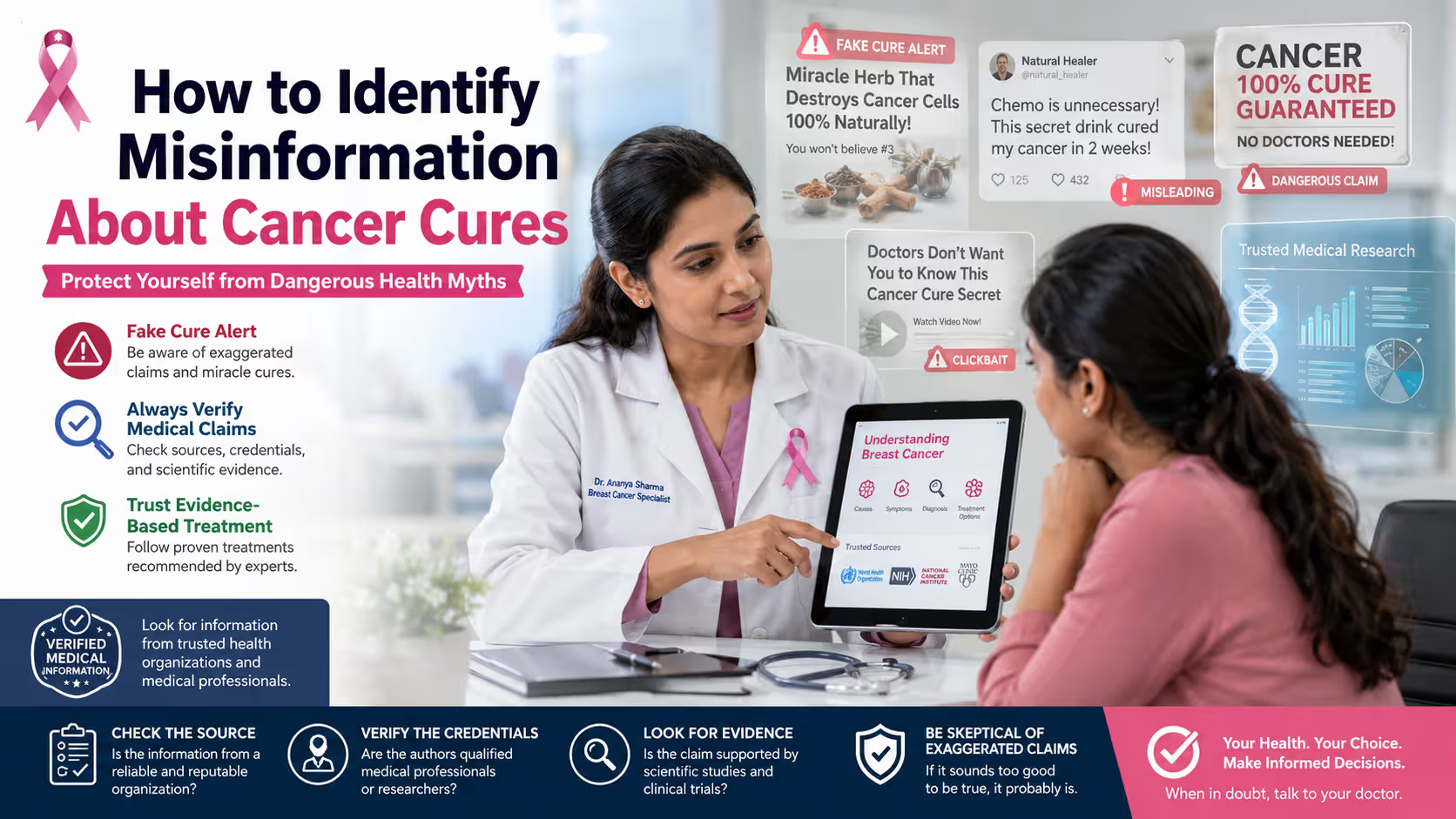
In the digital age, misinformation spreads faster than truth. Be wary of any source that:
-
Claims a “Secret Cure”: Science is collaborative; a real cure wouldn’t be hidden by “Big Pharma.”
-
Uses “Miracle” Language: If it sounds too good to be true, it is.
-
Relies Solely on Testimonials: Individual stories aren’t proof.
-
Attacks Conventional Doctors: Reputable practitioners want you to have the best of both worlds—safety and support.
Questions Patients Should Ask Before Trying Alternative Therapies
Before you buy a supplement or start a new protocol, ask your breast cancer specialist in Lucknow these four questions:
-
Is there scientific evidence that this helps with my specific type of breast cancer?
-
Can this interact with my chemotherapy, radiation, or hormone pills?
-
Are there side effects (like blood thinning or liver strain) that could delay my surgery?
-
Is this a “complementary” therapy (used alongside my treatment) or is it being sold as a replacement?
Final Thoughts on Alternative medicine for breast cancer
Can breast cancer be treated with alternative medicines? The answer is no, not effectively or safely on their own. However, the journey through cancer is about more than just killing cells; it’s about healing the person.
The most successful patients are those who embrace a “Science-First, Patient-Centered” approach. This means relying on proven medical treatments (surgery, chemo, radiation) to eliminate the disease, while using integrative therapies (yoga, nutrition, meditation) to nourish the spirit and manage symptoms.
Informed decisions improve patient safety. By avoiding the pitfalls of unproven “cures” and focusing on evidence-based care, you give yourself the best possible chance at a long, healthy life.
Patients consulting experienced specialists like Dr. Farah Arshad can better understand safe, evidence-based approaches to breast cancer treatment and supportive care. Together, we can build a treatment plan that is as compassionate as it is clinically rigorous.
FAQs
1. Can breast cancer be cured with alternative medicine alone?
No. There is no scientific evidence that alternative medicines (herbs, diets, or energy healing) can cure breast cancer. Using these instead of medical treatment allows the cancer to progress, often becoming untreatable.
2. Is acupuncture helpful during breast cancer treatment?
Yes, but as a supportive therapy. Acupuncture is clinically recognized to help reduce chemotherapy-induced nausea, manage pain, and alleviate hot flashes caused by hormone therapy.
3. Are herbal remedies safe during chemotherapy?
Not always. Many herbs (like St. John’s Wort or high-dose Garlic) can interfere with how your body processes chemotherapy drugs, making them either less effective or dangerously toxic. Always inform your oncologist about any supplements you are taking.
4. What is integrative medicine in breast cancer care?
Integrative medicine is the combination of standard medical treatments (like surgery and chemo) with supportive, evidence-based therapies (like nutrition, yoga, and massage) to treat the “whole person” and improve quality of life.
5. Can yoga and nutrition improve cancer recovery?
Absolutely. While they don’t kill cancer cells, good nutrition helps your body repair itself, and yoga improves physical strength and mental health, making it easier to complete your medical treatments.
CTA
Breast cancer treatment decisions should always be based on accurate medical guidance and scientific evidence. While supportive therapies may improve comfort and emotional well-being, they should work alongside—not replace—proven cancer treatments.
Consult Dr. Farah Arshad, a trusted breast cancer specialist in Lucknow, for personalized breast cancer diagnosis, treatment planning, and supportive care guidance. Your health and safety are our highest priorities.
