



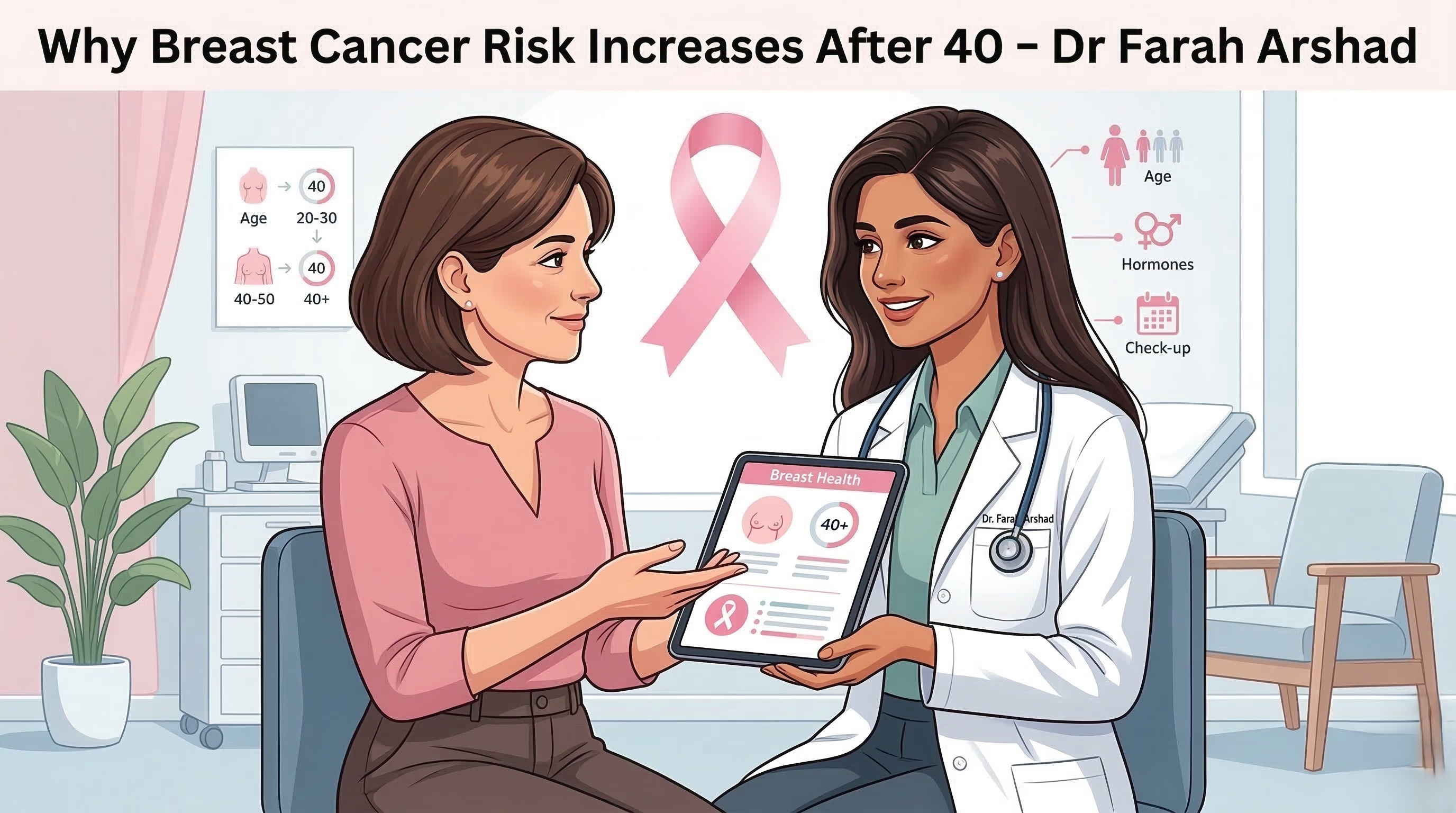
By Dr. Farah Arshad | Breast Cancer Specialist in Lucknow
Breast cancer is one of the most common cancers affecting women around the world. Although it can occur at any age, research shows that the risk of developing breast cancer increases significantly after the age of 40.
Hormonal changes, genetic mutations, lifestyle habits, and aging cells contribute to this increased risk. This is why doctors strongly recommend regular breast health screenings once women reach their 40s.
According to Dr Farah Arshad, a trusted breast cancer specialist in Lucknow, early detection and awareness are the most powerful tools for reducing breast cancer mortality. Women who undergo routine screening tests such as mammography and clinical breast exams have a much higher chance of detecting cancer at an early stage.
In this article, Dr Farah Arshad, an experienced breast cancer specialist in Lucknow, explains why breast cancer risk increases after 40, the symptoms women should watch for, screening recommendations, and preventive lifestyle strategies.
Understanding Breast Cancer
What Is Breast Cancer?
Breast cancer occurs when abnormal cells in the breast begin to grow uncontrollably. These cells can form a tumor that may invade surrounding tissues or spread to other parts of the body if left untreated.
Breast cancer usually develops in:
-
Milk ducts (ductal carcinoma)
-
Milk-producing glands (lobules)
-
Surrounding breast tissues
Early detection is critical because treatment is most successful when the disease is diagnosed in its early stages.
Why Breast Cancer Awareness Matters
Breast cancer often develops silently without noticeable symptoms in the early stages. This is why awareness, self-examination, and routine medical checkups are extremely important.
Consulting a qualified breast cancer specialist in Lucknow, such as Dr Farah Arshad, can help women detect abnormalities early and receive proper medical guidance.
Why Breast Cancer Risk Increases After 40
Several biological and lifestyle factors contribute to the increased risk of breast cancer after the age of 40.
Hormonal Changes
Hormones such as estrogen and progesterone influence breast tissue growth. As women age, hormonal fluctuations can affect breast cells and increase the possibility of abnormal cell growth.
Long-term exposure to estrogen is considered one of the key risk factors for breast cancer.
Aging and Genetic Mutations
As the body ages, cells undergo repeated cycles of growth and repair. Over time, DNA mutations accumulate, which may eventually lead to cancerous changes in breast cells.
This is one reason breast cancer is more frequently diagnosed in women over 40.
Lifestyle Factors
Certain lifestyle habits can increase breast cancer risk:
-
Lack of physical activity
-
Obesity or excess weight
-
Alcohol consumption
-
Smoking
-
High-fat processed diet
Adopting healthy lifestyle habits can significantly reduce breast cancer risk.
Breast Cancer Risk by Age Group
The following chart explains how breast cancer risk increases with age.
| Age Group | Estimated Risk Level | Recommended Screening |
|---|---|---|
| 20–29 | Low | Self breast exam awareness |
| 30–39 | Moderate | Clinical breast exam every 1–3 years |
| 40–49 | Increased | Annual mammography recommended |
| 50–59 | High | Mammography + regular clinical exam |
| 60+ | Higher | Regular screening and monitoring |
This chart shows why doctors strongly recommend screening after age 40. Women should schedule regular breast health checkups with a qualified breast cancer specialist in Lucknow, such as Dr Farah Arshad.
Early Symptoms of Breast Cancer Women Should Not Ignore
Recognizing early warning signs can help detect breast cancer at an early stage.
Breast Lump
A painless lump in the breast or underarm is one of the most common early symptoms.
Changes in Breast Size or Shape
Sudden changes in breast size, shape, or contour should be evaluated by a doctor.
Nipple Discharge
Unusual nipple discharge, especially if bloody, should never be ignored.
Skin Dimpling or Redness
Breast skin may appear dimpled or resemble the texture of orange peel.
Persistent Breast Pain
Continuous breast pain or discomfort should be examined by a doctor.
If any of these symptoms appear, consult Dr Farah Arshad, a trusted breast cancer specialist in Lucknow, for proper evaluation and diagnosis.
Breast Cancer Screening After Age 40
Regular screening plays a vital role in detecting breast cancer early.
Mammography
Mammography is the most effective screening test for detecting breast cancer before symptoms appear.
Most doctors recommend starting mammography screening at age 40.
Clinical Breast Examination
A clinical breast examination performed by a trained doctor helps detect abnormalities that may not be noticeable during self-exams.
Breast Ultrasound
Ultrasound imaging helps doctors evaluate suspicious areas within the breast tissue.
Women should consult Dr Farah Arshad, an experienced breast cancer specialist in Lucknow, to determine the most suitable screening plan.
Effectiveness of Breast Cancer Screening Methods
This chart shows how different screening techniques contribute to early detection.
| Screening Method | Detection Capability | Recommended For |
|---|---|---|
| Breast Self Exam | Basic awareness | Monthly self check |
| Clinical Breast Exam | Moderate detection | Doctor examination |
| Mammography | High detection | Women above 40 |
| Breast Ultrasound | Additional imaging | Dense breast tissue cases |
Regular screening with a qualified breast cancer specialist in Lucknow like Dr Farah Arshad greatly improves early detection and treatment success rates.
Major Risk Factors for Breast Cancer
Several factors may increase the likelihood of developing breast cancer.
Family History
Women with close relatives diagnosed with breast cancer have a higher risk.
Genetic Mutations
Inherited gene mutations such as BRCA1 and BRCA2 significantly increase risk.
Obesity and Hormonal Imbalance
Excess body weight can increase estrogen levels, which may stimulate cancer growth.
Late Pregnancy
Women who have their first child after age 30 or do not experience pregnancy may have a slightly increased risk.
Consulting Dr Farah Arshad, a leading breast cancer specialist in Lucknow, can help identify individual risk factors.
Tips to Reduce Breast Cancer Risk
Although breast cancer cannot always be prevented, healthy lifestyle habits can reduce risk.
Maintain a Healthy Weight
Maintaining a healthy weight reduces hormonal imbalance.
Exercise Regularly
Physical activity supports hormone regulation and overall health.
Eat a Balanced Diet
A diet rich in fruits, vegetables, and whole grains supports breast health.
Limit Alcohol Consumption
Reducing alcohol intake lowers cancer risk.
Schedule Regular Breast Screening
Women above 40 should schedule regular checkups with Dr Farah Arshad, a trusted breast cancer specialist in Lucknow.
Conclusion
Breast cancer risk increases after the age of 40 due to hormonal changes, aging cells, and lifestyle factors. However, early detection through regular screening and awareness significantly improves survival rates.
Women should prioritize their breast health by scheduling regular screenings and consulting experienced doctors. Seeking medical guidance from Dr Farah Arshad, a respected breast cancer specialist in Lucknow, ensures timely diagnosis, proper treatment, and personalized care.
Early detection saves lives, and regular breast health monitoring is essential for every woman after 40
