



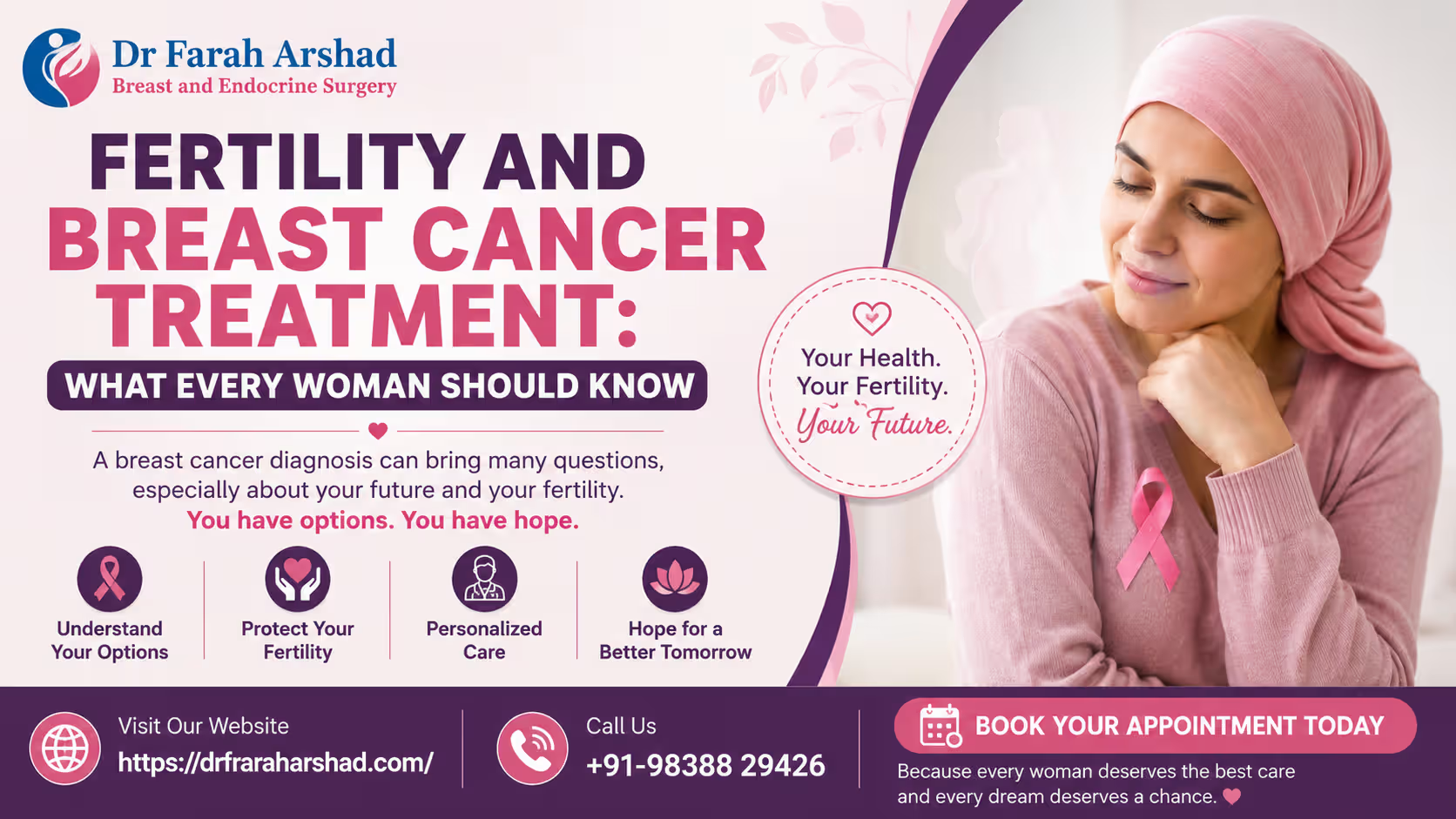
The Impact of Breast Cancer Treatment on Fertility: A Doctor’s Guide
Facing a breast cancer diagnosis is one of the most difficult challenges a woman can encounter. In the middle of processing medical terms, surgery dates, and treatment plans, another very personal question often arises: “Will I still be able to have children?”
Breast cancer treatment and fertility are closely connected because treatments like chemotherapy and hormone therapy can damage a woman’s eggs or affect her hormone levels. This may lead to early menopause or difficulty conceiving. However, through fertility preservation options like egg freezing, many women can safely plan future pregnancies after their recovery.
The good news is that medical science has come a long way. Today, breast cancer treatment and fertility can be managed together. With early planning and the right guidance, the dream of motherhood can remain a reality even after a cancer diagnosis.
Understanding the Link Between Breast Cancer Treatment and Fertility
When we talk about breast cancer treatment and fertility, we are looking at how cancer therapies affect the ovaries. The ovaries are where a woman’s eggs are stored. Unlike men, who produce new sperm throughout their lives, women are born with all the eggs they will ever have.
Certain cancer treatments can be “toxic” to these eggs. If the number of eggs drops significantly, it can lead to infertility or “premature menopause,” where your periods stop much earlier than expected (before age 40).
The Emotional Connection
For many women, the fear of losing their fertility feels like losing a part of their identity. I want you to know that your feelings are valid. Whether you already have children and want more, or you haven’t started your family yet, protecting your options is a vital part of your cancer care. As a Female breast cancer specialist in Lucknow, I prioritize these conversations from the very first consultation because your life after cancer is just as important as your treatment during cancer.
Which Breast Cancer Treatments Can Affect Fertility?
Not every treatment affects your body the same way. The impact on your fertility depends on your age, the type of drugs used, and the dose of treatment.
1. Chemotherapy
Chemotherapy works by attacking fast-growing cells. While this is great for killing cancer cells, it can also harm the fast-growing cells in the ovaries. This can cause:
-
Irregular periods.
-
Periods are stopping temporarily.
-
Permanent menopause.
2. Hormone Therapy (Endocrine Therapy)
Many breast cancers are “hormone-receptor-positive,” meaning they grow in response to hormones like estrogen. Drugs like Tamoxifen are used to block these hormones. While these drugs don’t usually kill eggs directly, they must be taken for 5 to 10 years. Because you cannot safely be pregnant while taking them, the “wait time” can be a challenge for women who are already in their late 30s.
3. Radiation Therapy
Radiation for breast cancer usually focuses only on the chest area. Therefore, it typically does not affect the ovaries. However, if radiation is needed for other areas near the pelvis, it could pose a risk.
4. Surgery
Standard breast surgery (lumpectomy or mastectomy) does not affect your ability to get pregnant. Fertility issues only arise if the cancer has spread and requires surgery on the reproductive organs, which is rare for primary breast cancer.
Can You Get Pregnant After Breast Cancer Treatment?
The short answer is: Yes, many women do!
However, breast cancer treatment and fertility recovery depend on several factors:
-
Your Age: Younger women (under 35) usually have a higher “ovarian reserve” (more eggs), making it easier for their bodies to bounce back after chemotherapy.
-
The Type of Chemo: Some drugs are harsher on the ovaries than others.
-
Timing: Doctors usually recommend waiting at least 2 years after finishing treatment before trying to conceive. This allows your body to heal and ensures the cancer is in stable remission.
It is important to remember that having your period return after chemotherapy does not always mean your fertility is back to 100%. Conversely, some women whose periods stop during chemo find that they return months or even a year later.
Fertility Preservation Options Before Breast Cancer Treatment
If you are concerned about breast cancer treatment and fertility, the best time to act is before you start chemotherapy or hormone therapy. Here are the most common options we discuss:
-
Egg Freezing (Oocyte Cryopreservation): You take hormone medications to stimulate your ovaries to produce multiple eggs. These eggs are then harvested and frozen for future use.
-
Embryo Freezing: Similar to egg freezing, but the eggs are fertilized with sperm (from a partner or donor) to create embryos before freezing. This is often considered the most “reliable” method.
-
Ovarian Suppression (GnRH Agonists): This involves getting a monthly injection during chemotherapy. This medicine “shuts down” your ovaries temporarily, putting them into a dormant state. This may protect them from the harmful effects of chemo.
-
Ovarian Tissue Freezing: This is a newer procedure where a small piece of the ovary is surgically removed and frozen. It can be transplanted back later.
Breast Cancer Treatments and Their Impact on Fertility (Quick Chart)
| Treatment Type | Possible Fertility Impact | Fertility Preservation Option |
| Chemotherapy | May damage eggs/cause menopause | Egg or embryo freezing |
| Hormone Therapy | Delays pregnancy (5–10 years) | Timing and “pause” protocols |
| Radiation | Very low risk (unless near pelvis) | Shielding techniques |
| Surgery | No direct impact on fertility | Counseling and support |
Hormone Therapy and Pregnancy – What Women Should Know
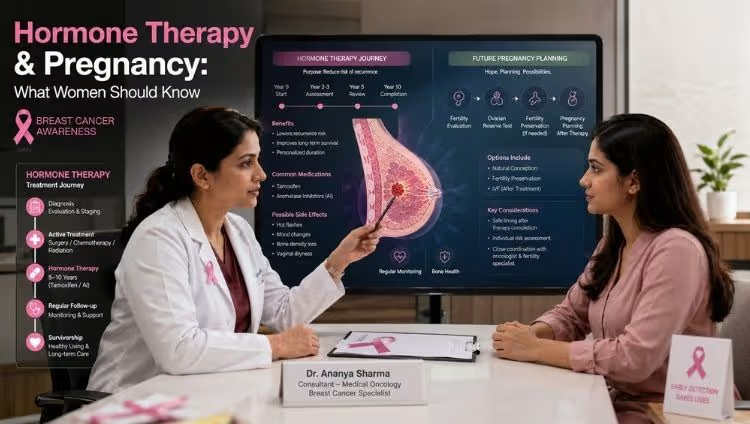
Hormone therapy (like Tamoxifen) is a lifesaver for many, but it creates a unique challenge for breast cancer and pregnancy.
Because these treatments usually last 5 to 10 years, a woman who starts treatment at 32 might be 40 by the time she finishes. We know that fertility naturally declines with age.
The “Positive” News: Recent studies (like the POSITIVE trial) have shown that some women can safely take a “break” from hormone therapy after 18–30 months to try for a pregnancy, and then resume the medicine after the baby is born. This must be done under very strict medical supervision by a breast cancer specialist in Lucknow.
Emotional Challenges of Breast Cancer Treatment and Fertility
Dealing with cancer is exhausting. Dealing with the potential loss of fertility on top of it can feel like a “double grief.”
-
The Feeling of “Running Out of Time”: Many patients feel rushed to start cancer treatment and feel they don’t have time to think about eggs or embryos.
-
Relationship Stress: It can be hard to talk to a partner about future children when you are both focused on surviving the next week.
-
Fear of the Future: “Will I be healthy enough to raise a child?” is a common and painful question.
I always tell my patients: You do not have to carry this alone. Support groups, specialized counseling, and open conversations with your medical team are essential for your mental well-being.
Fertility and Breast Cancer Treatment in Younger Women
For women under 40, a breast cancer diagnosis hits differently. You are often in the prime of your career and family planning years.
In my practice as Dr Farah Arshad, I see that younger women often face more aggressive cancers, which might require more intensive chemotherapy. However, younger bodies are also more resilient. The key is personalized planning. Every woman’s body is different, and your fertility plan should be as unique as your thumbprint.
Pregnancy After Breast Cancer – Is It Safe?
Many women worry: “Will the hormones of pregnancy make my cancer come back?”
Extensive research has shown that pregnancy after breast cancer does not increase the risk of the cancer returning. In fact, many breast cancer survivors go on to have perfectly healthy pregnancies and healthy babies.
The main concern is timing. You want to ensure that your body has cleared the chemotherapy drugs (which can be harmful to a developing fetus) and that your cancer risk is at its lowest point.
Questions to Ask Your Doctor About Fertility Before Treatment
Being your own advocate is vital. When you meet with your oncology team, consider asking these questions:
-
How urgent is it that I start treatment? Do I have 2-3 weeks for fertility preservation?
-
Will the specific chemotherapy drugs you’ve chosen affect my fertility?
-
Is egg or embryo freezing safe for my specific type of breast cancer?
-
Can I use “ovarian suppression” injections during my chemotherapy?
-
What are the risks of pausing hormone therapy later to get pregnant?
-
Can you refer me to a fertility specialist who works with cancer patients?
A Patient’s Journey: Meera’s Story
Let me share a story (inspired by real patients) to give you hope. Meera was 29 when she was diagnosed with Stage II breast cancer. She wasn’t married yet, but knew she wanted to be a mother one day.
Before starting her chemotherapy, we discussed breast cancer treatment and fertility. She chose to freeze her eggs. It delayed her chemo by only two weeks. She went through surgery, chemo, and radiation. Today, Meera is five years cancer-free. She recently got married and is working with a fertility specialist to use her frozen eggs. Her journey shows that cancer is a chapter in your life, but it doesn’t have to be the whole book.
When Should You Consult a Female Breast Cancer Specialist in Lucknow?
If you have been diagnosed with breast cancer, the time to talk about fertility is now. Do not wait until after your first chemotherapy session, as the damage to the ovaries can begin immediately.
Early consultation allows for a multi-disciplinary approach. As a Female breast cancer specialist in Lucknow, Dr Farah Arshad works closely with fertility experts to ensure your cancer treatment is effective while also protecting your future dreams.
In a city like Lucknow, having a specialist who understands both the medical and cultural importance of family is vital. We provide a safe, compassionate space where you can ask the “hard” questions without fear.
FAQs
1. Can breast cancer treatment cause infertility?
Yes, certain treatments like chemotherapy can damage eggs or cause the ovaries to stop working. However, this is not the case for everyone, and many women maintain or recover their fertility.
2. Is pregnancy possible after breast cancer treatment?
Absolutely. Thousands of breast cancer survivors have had healthy pregnancies. It requires careful planning and monitoring by your oncology team.
3. How long should I wait to get pregnant after breast cancer?
Most doctors recommend waiting at least 2 years after treatment ends. This is because the risk of recurrence is often highest in the first two years, and it allows your body to recover from the effects of treatment.
4. Does hormone therapy affect fertility permanently?
Hormone therapy doesn’t usually cause permanent infertility, but it prevents pregnancy while you are taking it. Because it takes many years, the natural aging process during that time can affect your ability to conceive later.
5. What is the best fertility preservation option before chemotherapy?
Egg or embryo freezing is generally considered the most successful and “gold standard” method for preserving fertility before cancer treatment.
6. Can younger women recover fertility after treatment?
Younger women (under 35) have a better chance of their periods returning and recovering fertility because they start with a larger number of eggs in their ovaries.
7. Is egg freezing safe before breast cancer treatment?
Yes. Modern “fertility protocols” use specific medications (like Letrozole) to keep estrogen levels low during the egg-harvesting process, making it safe for women with hormone-sensitive breast cancer.
8. Can breast cancer come back during pregnancy?
Research shows that pregnancy itself does not cause breast cancer to return. However, close monitoring by a specialist is always recommended for any survivor.
Conclusion: Protecting Your Future with Dr Farah Arshad
The path through breast cancer is undeniably tough, but you are tougher. Remember, breast cancer treatment and fertility are not mutually exclusive. You can fight this disease and still hold onto the hope of a family.
The most important step is to have the conversation early. Don’t let fear keep you from asking questions. Whether it’s egg freezing, ovarian protection, or simply understanding your risks, knowledge is your greatest tool.
Breast cancer treatment and fertility can feel overwhelming, but early planning and the right medical guidance can help protect your future motherhood goals.
Consult Dr Farah Arshad, a trusted Female breast cancer specialist in Lucknow, for personalized breast cancer care and fertility guidance. Your future is worth protecting, and we are here to walk that path with you every step of the way.
Disclaimer: This article is for educational purposes and does not replace professional medical advice. Always consult with a qualified healthcare provider like Dr. Farah Arshad regarding your specific medical condition and treatment options.
