



Posted By Dr. Farah Arshad | Breast Cancer specialist in Lucknow
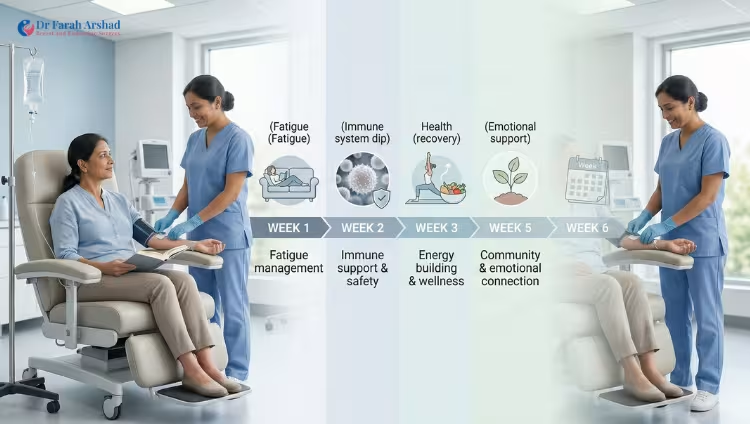
Starting chemotherapy is one of the hardest things a person can face. There is a lot of information out there, but most of it is too general or too medical. This guide is written in simple, plain language — to help you understand what actually happens, week by week, from the very first test to the months after your last infusion.
Before Week 1: It Starts Before the Drip
Most people think Chemotherapy for Breast Cancer begins on the day of the first infusion. But your treatment actually starts before that — sometimes weeks before.
Your doctor will ask you to do several things first. You will have blood tests to check how well your liver and kidneys are working. Your heart will be checked too, especially if your treatment includes certain drugs. You may need a small device called a port placed under your skin, which makes it easier to receive the medicine. Your doctor should also talk to you about fertility — meaning whether chemo might affect your ability to have children in the future. Sadly, this conversation is sometimes skipped or rushed. If it matters to you, bring it up yourself.
The timing of your chemotherapy is not random. It depends on your cancer type, the stage, your tumor biology, and whether you are having chemo before or after surgery. This planning is very important, and your care team thinks carefully about it.
Week 1: The First Infusion (Days 1 to 7)
Day 1 — You arrive at the clinic. Before the chemo drugs go in, you are given medicines to prevent nausea and reduce reactions. The infusion itself takes between one and four hours. Many patients feel fine on Day 1. Some even feel surprisingly normal. Do not let this fool you.
Days 2 to 4 — This is when the first symptoms begin to show up. You may feel very tired. Food may taste metallic or strange. The steroids you were given start to wear off, which can cause a sudden drop in energy. Your stomach may feel upset, either constipated or the opposite.
Days 5 to 7 — Your immune system begins to weaken. Your white blood cell count starts to fall. You may not feel it yet, but this is when you need to be careful about germs and infections.
One important thing to know: the first cycle is usually the easiest. Many patients think, “If this is chemo, I can handle it.” But the effects build up over time. Each cycle can feel harder than the last.
Week 2: The Danger Window
Week 2 is the most medically risky part of each cycle. This is called the nadir — the point where your white blood cell count is at its lowest.
When white blood cells are low, your body cannot fight infections well. If you develop a fever during this time, it is a medical emergency. You must call your doctor immediately — even in the middle of the night. A fever during the nadir often means a hospital stay.
This is also the time when doctors may need to reduce your chemo dose or delay your next cycle. These decisions are not taken lightly. Keeping your dose at the right level matters for your long-term outcome, which is why some patients are given injections to help their body make more white blood cells faster.
Week 3: The Recovery Window
By week 3, your blood counts start to come back up. Your energy improves a little. You may feel more like yourself.
This is also the week where patients often make a common mistake — they do too much. They visit friends, go on trips, and push themselves physically. Then cycle 2 arrives and hits them harder than the first.
By this point, fatigue is no longer just feeling tired. It starts to affect your thinking, your mood, and your motivation. This is sometimes called chemo brain — a real and frustrating experience that includes forgetfulness, difficulty concentrating, and mental slowness.
Cycles 2 and 3: When Patterns Start to Show
By the second and third cycles, your body has been through a lot. New symptoms appear or get stronger.
Hair loss usually starts around weeks 2 to 3 of treatment. Most patients are not told that their scalp may feel tender or sore before the hair actually falls out. That scalp sensitivity is normal.
Eating becomes harder. Food tastes different or has no taste at all. You may not feel like eating protein-rich foods, but this matters more than you might think. Losing muscle during chemo — not just weight — can make treatment harder to tolerate. Keeping up your nutrition, even in small amounts, is very important.
The emotional timeline is real too, Cycle 1 brings shock. Cycle 2 brings frustration. By cycle 3, many patients feel deeply exhausted — not just physically, but emotionally. Caregivers and partners feel it too. Families are rarely prepared for this emotional journey, and that is something that deserves more attention.
What Happens If Chemo Is Not Working?
This is a topic most blogs avoid. But it happens, and you deserve to know about it.
Sometimes the tumor does not shrink the way doctors hoped. Sometimes the side effects are so severe after the first cycle that continuing at the same level is not safe. In these situations, your doctor has options. They may lower your dose, change your medication, move surgery earlier than planned, or switch you to a different type of treatment altogether.
This does not mean you have failed. It means your treatment is being adjusted to fit your body and your cancer. Treatment is not a fixed plan — it is a living process that changes based on how you respond.
Side Effects That Last After Chemo Ends
Chemotherapy does not end the moment your last infusion is done. Some effects continue for months or even years.
Nerve damage (called peripheral neuropathy) can cause tingling, numbness, or pain in the hands and feet. For some patients, this fades over time. For others, it is permanent.
Heart effects are possible with certain drugs, sometimes appearing years after treatment ends. Regular follow-up with your doctor is important.
Early menopause is common in women who receive chemotherapy, which can bring its own set of physical and emotional changes.
Cognitive changes — difficulty with memory and thinking — can continue long after the last cycle.
These long-term effects are something you and your doctor should discuss honestly before, during, and after treatment.
The Last Infusion: Not the End You Expect
The day of your final infusion feels like a celebration — and it is. But the weeks that follow can be emotionally harder than anything during treatment.
During chemo, your schedule was structured. You had regular appointments. Your medical team was in close contact. After the last infusion, all of that stops. Many patients describe feeling lost, anxious, or even abandoned — even though they are finished with treatment.
Fear of the cancer coming back is extremely common during this time. These feelings are normal and valid. Talk to your care team about what support is available as you move into the recovery phase.
After Chemotherapy: What Recovery Really Looks Like
Many people expect to feel better quickly once chemo is over. The truth is more gradual.
Fatigue can last anywhere from six months to a year. Hair grows back, but slowly. Brain fog may linger. If radiation or hormone therapy follows, your body is dealing with multiple treatments at once — recovery is layered, not instant.
Be patient with yourself. Rest when you need to. Ask for help. And keep going to your follow-up appointments, because the monitoring that happens after chemo is just as important as the treatment itself.
A Simple Week-by-Week Overview
| Phase | What’s Happening in Your Body | How You May Feel | What to Watch For |
|---|---|---|---|
| Before Week 1 | Tests, port placement, planning | Anxious, overwhelmed | Ask about fertility if it matters to you |
| Week 1, Days 1–4 | Infusion done; side effects begin | Fine at first, then tired | Metallic taste, steroid crash |
| Week 1, Days 5–7 | White blood cells start dropping | Fatigue increasing | Avoid crowded places and sick people |
| Week 2 | White blood cells at lowest point | Vulnerable, worried | Fever above 100.4°F = call doctor immediately |
| Week 3 | Blood counts recovering | Slight energy return | Do not overdo it — next cycle is coming |
| Cycles 2–3 | Cumulative effects building | Frustrated, exhausted | Watch for hair loss, taste changes, chemo brain |
| Final Cycle | Body worn down but finishing | Relieved and scared | Emotional low point after last infusion is normal |
| After Chemo | Slow recovery begins | Anxious about recurrence | Fatigue and nerve issues may continue for months |
This chart shows the general pattern most patients go through. Your experience may be different depending on your specific drugs, dose, and overall health — but understanding this timeline helps you know what to expect and when to ask for help.
The Final Thought
Chemotherapy is not just about nausea and hair loss. It is a complex, week-by-week process that involves managing your immune system, your nutrition, your emotions, and your long-term health all at the same time.
The most important thing you can do is stay informed, stay in close contact with your care team, and be honest about what you are feeling — physically and emotionally. You do not have to figure this out alone, and knowing what is coming makes it a little easier to face.
Talk to a Specialist Before Your Next Step
If you or someone you love is facing breast cancer treatment, do not navigate it alone. Dr. Farah Arshad, a trusted breast cancer specialist in Lucknow, can guide you through every stage of your chemotherapy journey — from the first infusion to long-term recovery.
Book your consultation today and get the clarity and care you deserve.
