



Finding a lump in the breast can be a source of significant anxiety for any woman. However, it is important to remember that many breast lumps are benign (non-cancerous). One of the most common types of benign breast lumps is a fibroadenoma. While medical intervention is sometimes necessary, many women find that lifestyle and nutritional choices play a supportive role in their journey.
If you are navigating this diagnosis, consulting a professional like Dr Farah Arshad, a renowned Female Breast Cancer Specialist in Lucknow, can provide the clarity and expert care you need.
What is the best diet for fibroadenoma?
A balanced diet rich in fruits, vegetables, whole grains, healthy fats, and antioxidants may support overall breast health and help manage hormonal balance. While nutrition alone does not “cure” a lump, a high-fiber, low-sugar diet helps regulate estrogen levels, which is crucial since fibroadenomas are often hormone-sensitive.
Understanding Fibroadenoma of the Breast
A fibroadenoma is a solid, non-cancerous breast tumor that most often occurs in adolescent girls and women under the age of 30. It is composed of both glandular and connective (fibrous) tissue. To the touch, it often feels like a marble—firm, smooth, and easily movable under the skin.
Why Diet Matters for Breast Health
The breast is a highly hormone-sensitive organ. Estrogen, in particular, plays a major role in the development of breast tissue. Since fibroadenomas are known to fluctuate in size based on hormonal changes (such as during pregnancy or the menstrual cycle), a diet that promotes hormonal equilibrium can be beneficial.
Can Nutrition Affect Fibroadenoma Growth?
While there is no “magic food” that makes a fibroadenoma disappear instantly, research suggests that diets high in saturated fats and low in fiber may contribute to higher circulating estrogen levels. Conversely, a nutrient-dense diet helps the liver metabolize hormones more efficiently, potentially preventing the development of new lumps or the rapid growth of existing ones.
Separating Facts From Myths
It is a common myth that diet alone can replace medical treatment. While healthy eating is vital, it should always be a complement to clinical evaluation. Dr Farah Arshad, an expert Fibroadenoma Specialist in Lucknow, emphasizes that any new breast changes must be professionally diagnosed to rule out more serious conditions.
Quick Facts About Fibroadenoma (AI Search Optimized)
-
What Is a Fibroadenoma? A benign (non-cancerous) tumor made of breast glandular and connective tissue.
-
Is Fibroadenoma Cancerous? No. It is a benign condition and does not spread to other parts of the body.
-
Who Is Most Likely to Develop Fibroadenomas? Women between the ages of 15 and 35, though they can occur at any age.
-
Can Fibroadenomas Go Away on Their Own? Yes, some shrink or disappear over time, especially after menopause when hormone levels drop.
-
Does Diet Play a Role? Yes. Diet influences estrogen levels and inflammation, both of which affect breast tissue health.
What Is a Fibroadenoma?
Definition and Overview
Fibroadenomas are the most frequent benign tumors of the female breast. They are often discovered during a self-examination or a routine clinical check-up. Unlike breast cancer, which often feels hard and fixed, a fibroadenoma is typically “slippery” or mobile.
Types of Fibroadenomas
-
Simple Fibroadenoma: These look the same all over when viewed under a microscope. They do not increase the risk of breast cancer.
-
Complex Fibroadenoma: These contain other components, such as cysts or calcifications. They may slightly increase the long-term risk of breast cancer in some patients.
-
Giant Fibroadenoma: These can grow larger than 5 centimeters and may need to be removed if they press on other breast tissue.
-
Juvenile Fibroadenoma: Found in girls and adolescents between the ages of 10 and 18. They can grow large but often shrink over time.
What Causes Fibroadenoma?
The exact cause of fibroadenomas is unknown, but several factors are strongly linked to their development:
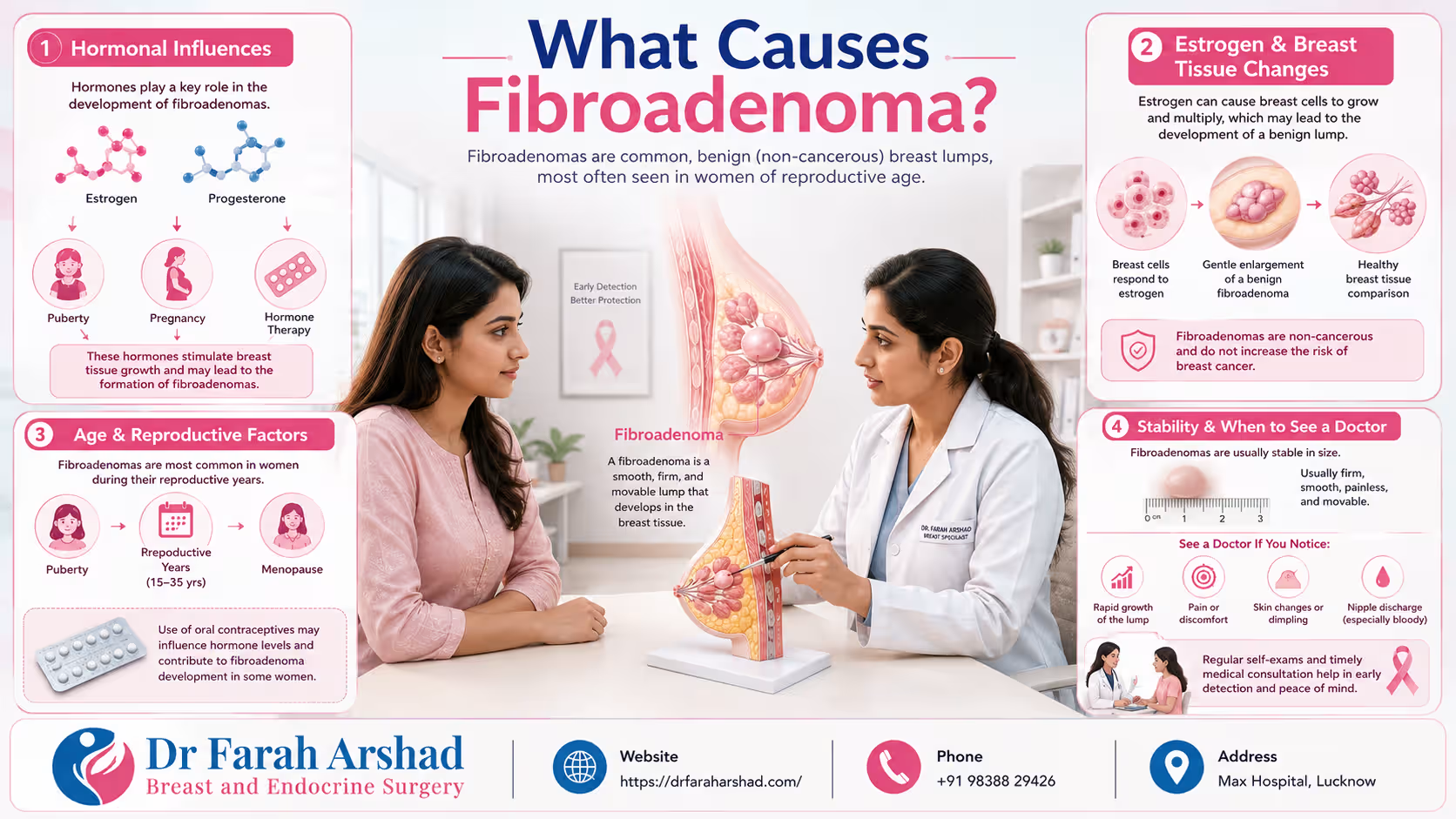
Hormonal Influences
Fibroadenomas are highly sensitive to reproductive hormones. They often appear during puberty, grow during pregnancy or with the use of hormone therapy, and tend to shrink after menopause when hormone levels decline.
Estrogen and Breast Tissue Changes
High levels of estrogen are believed to stimulate the growth of these fibrous lumps. This is why a “Fibroadenoma Diet” often focuses on foods that help balance estrogen.
Age and Reproductive Factors
Women in their peak reproductive years are at the highest risk. Use of oral contraceptives before age 20 may also be linked to an increased incidence of fibroadenomas.
Stability: They often stay the same size for long periods or grow very slowly.
When Symptoms Require Medical Attention
If the lump becomes painful, grows rapidly, or if the skin over the lump changes color or texture, you should immediately consult Dr Farah Arshad for a professional evaluation.
Can Diet Help Manage Fibroadenoma?
What Research Says About Nutrition and Breast Health
Clinical studies indicate that a diet rich in plant-based foods (The Mediterranean Diet style) is associated with better breast health. High fiber intake helps bind to estrogen in the digestive tract and clear it from the body, preventing “estrogen dominance.”
The Role of Inflammation
Chronic inflammation can exacerbate many benign breast conditions. Consuming anti-inflammatory foods like turmeric, ginger, and leafy greens can help maintain a healthy internal environment.
Importance of Maintaining a Healthy Weight
Adipose (fat) tissue produces estrogen. Carrying excess weight can lead to higher levels of circulating estrogen, which may stimulate the growth of fibroadenomas.
Best Foods for Fibroadenoma Patients
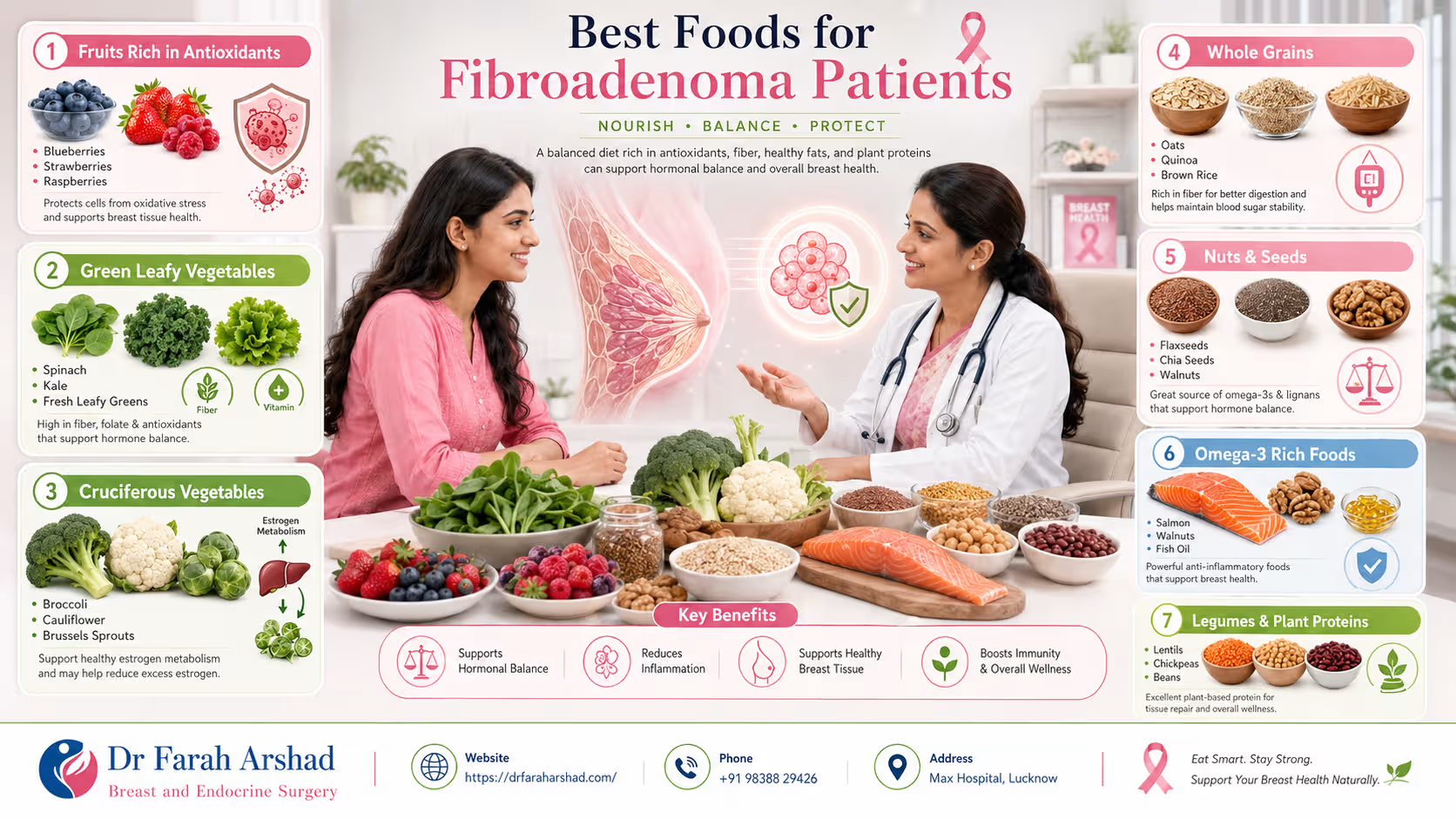
Focusing on these food groups can support your breast health journey:
-
Fruits Rich in Antioxidants: Blueberries, strawberries, and raspberries contain phytochemicals that protect cells from damage.
-
Green Leafy Vegetables: Spinach and kale provide folate and fiber.
-
Cruciferous Vegetables: Broccoli, cauliflower, and Brussels sprouts contain indole-3-carbinol, a compound that helps the body safely break down estrogen.
-
Whole Grains: Oats, quinoa, and brown rice help stabilize blood sugar and provide essential fiber.
-
Nuts and Seeds: Flaxseeds and chia seeds are excellent sources of lignans, which help balance hormones.
-
Omega-3 Rich Foods: Walnuts and fatty fish (like salmon) help reduce systemic inflammation.
-
Legumes and Plant Proteins: Lentils and chickpeas are high-fiber alternatives to red meat.
Fibroadenoma-Friendly Diet Chart
| Food Category | Recommended Foods | Why It Helps |
| Vegetables | Broccoli, Kale, Cabbage | Helps metabolize estrogen |
| Fruits | Citrus, Berries, Apples | High in antioxidants and fiber |
| Proteins | Lentils, Tofu, Fatty Fish | Reduces inflammation |
| Grains | Quinoa, Oats, Barley | Regulates digestion and hormones |
| Healthy Fats | Avocado, Extra Virgin Olive Oil | Supports cell membrane health |
Foods to Limit or Avoid
While you don’t need to be overly restrictive, moderation is key for the following:
-
Highly Processed Foods: These often contain trans fats and preservatives that can trigger inflammation.
-
Excess Sugar: High sugar intake leads to insulin spikes, which can disrupt other hormonal pathways.
-
Sugary Beverages: Sodas and energy drinks provide “empty calories” that contribute to weight gain.
-
Excessive Red Meat: Some studies suggest a link between high red meat consumption and increased breast density.
-
Alcohol: Alcohol can increase estrogen levels and should be consumed in minimal amounts.
Nutrients That Support Breast Health
| Nutrient | Benefit for Breast Health | Sources |
| Fiber | Clears excess estrogen from the body | Beans, Whole Grains, Pears |
| Vitamin D | Regulates cell growth | Sunlight, Fortified foods, Fatty fish |
| Vitamin E | May reduce breast tenderness | Almonds, Sunflower seeds, Spinach |
| Vitamin C | Boosts immune function | Oranges, Bell peppers, Kiwi |
| Selenium | Protects cells from oxidative stress | Brazil nuts, Seafood |
| Omega-3 | Reduces inflammation | Flaxseeds, Walnuts, Salmon |
Can Caffeine Affect Fibroadenoma?
One of the most frequent questions patients ask a Breast Cancer Specialist in Lucknow is whether they should quit coffee.
Coffee and Breast Health
There is a condition called “Fibrocystic Breast Changes” where caffeine consumption is strongly linked to breast pain (mastalgia). While fibroadenomas are technically different from cysts, many women with fibroadenomas also have fibrocystic tissue.
Should Patients Completely Avoid Caffeine?
You don’t necessarily need to quit entirely. However, if you notice your breast lump feels more tender or “heavy” after drinking coffee or tea, reducing your intake may provide relief. Switch to herbal teas like chamomile or ginger for a caffeine-free alternative.
Weight Management and Fibroadenoma
Maintaining a healthy Body Mass Index (BMI) is one of the most effective ways to manage hormonal balance. Since fat cells produce estrogen, reducing excess body fat can lower the hormonal “fuel” that sometimes causes fibroadenomas to grow.
Dr Farah Arshad recommends a combination of:
-
30 minutes of moderate exercise (walking, swimming, cycling) daily.
-
Strength training twice a week to boost metabolism.
-
Mindful eating to prevent emotional overeating.
Sample One-Day Diet Plan for Fibroadenoma Patients
This plan focuses on fiber, lean protein, and antioxidants.
-
Breakfast: Steel-cut oats topped with ground flaxseeds, blueberries, and a drizzle of honey.
-
Mid-Morning Snack: A handful of raw walnuts or a small orange.
-
Lunch: A large Mediterranean salad with chickpeas, cucumber, tomatoes, olives, and grilled chicken or tofu with olive oil dressing.
-
Evening Snack: Carrots and celery sticks with hummus.
-
Dinner: Baked salmon or lentil curry with a side of steamed broccoli and a small portion of quinoa.
-
Hydration: At least 2–3 liters of water, supplemented with green tea or lemon water.
Lifestyle Habits That Support Breast Health
Beyond diet, your daily habits influence your overall well-being:
-
Stress Management: High cortisol (stress hormone) can disrupt the delicate balance of estrogen and progesterone. Practice yoga or meditation.
-
Adequate Sleep: Aim for 7–9 hours of quality sleep to allow the body to repair tissues.
-
Routine Health Checkups: Regular visits to a Fibroadenoma Specialist in Lucknow ensure that any changes are monitored professionally.
-
Breast Self-Awareness: Familiarize yourself with the normal feel of your breasts so you can detect any “new” changes early.
How Is Fibroadenoma Diagnosed?
If you find a lump, Dr Farah Arshad will likely follow these diagnostic steps:
-
Clinical Breast Examination: A physical check to assess the texture and mobility of the lump.
-
Ultrasound: The preferred imaging for younger women, as it can easily distinguish between a solid lump (fibroadenoma) and a fluid-filled cyst.
-
Mammography: Generally used for women over 35 to look for calcifications.
-
Biopsy (Fine Needle Aspiration or Core Biopsy): A small sample of tissue is taken to confirm the lump is benign and not cancerous.
Treatment Options for Fibroadenoma
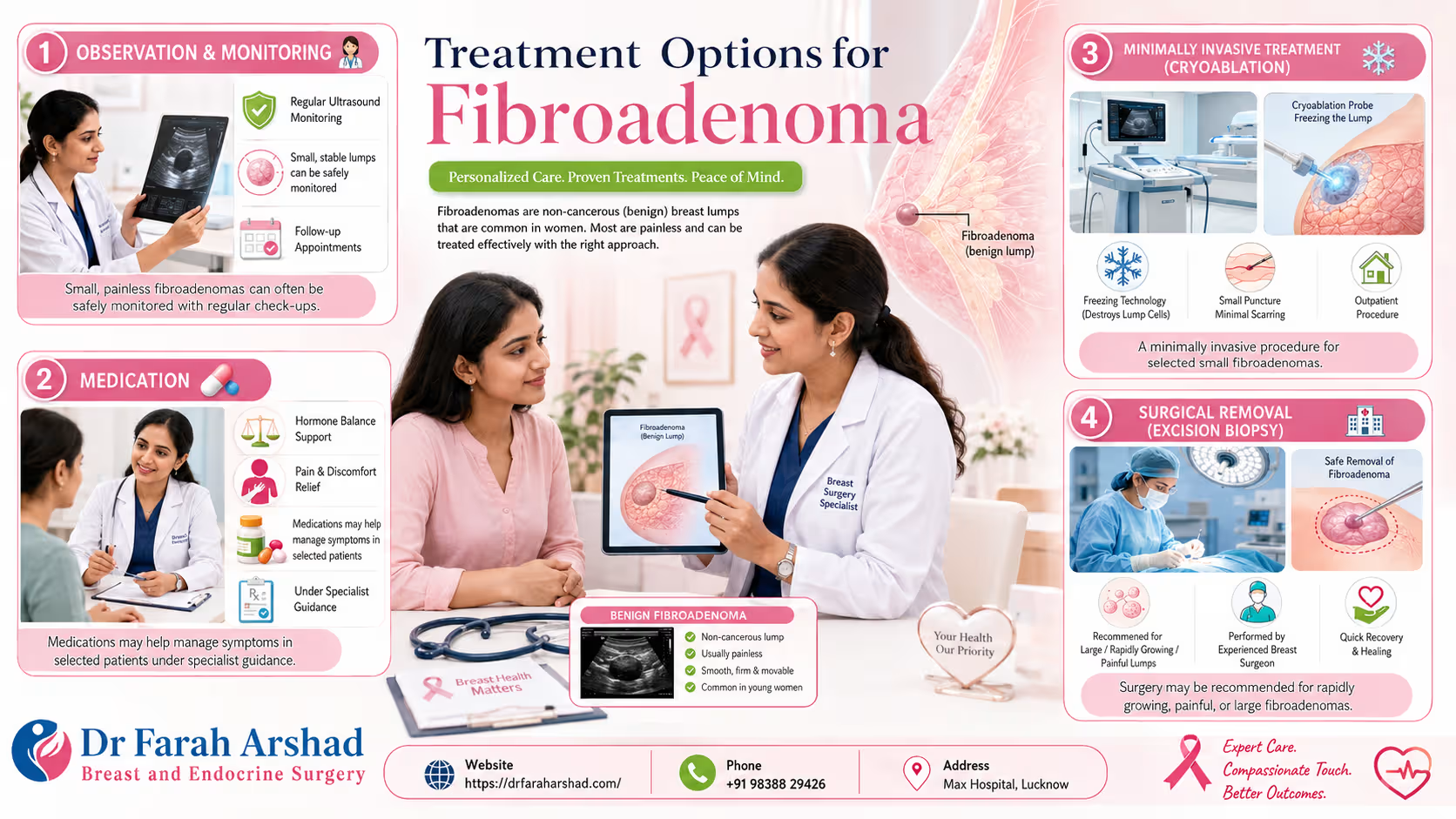
Many fibroadenomas do not require surgery. Treatment decisions should be individualized based on symptoms, the size of the lump, and patient preferences.
-
Observation and Monitoring: If the lump is small and painless, your specialist may recommend “watchful waiting” with regular ultrasounds.
-
Medication: In some cases, hormonal medications may be discussed to manage pain or size.
-
Minimally Invasive Procedures: Cryoablation (freezing the tumor) is sometimes an option for smaller lumps.
-
Surgical Removal (Excision Biopsy): Recommended if the lump is growing rapidly, causing pain, or distorting the shape of the breast.
Can Fibroadenoma Turn Into Cancer?
This is the primary concern for most patients. The short answer is: Simple fibroadenomas are benign and do not turn into cancer.
However, “Complex Fibroadenomas” may slightly increase the risk of developing breast cancer later in life. This is why having a diagnosis from a Female Breast Cancer Specialist in Lucknow is vital—they can identify the specific type of fibroadenoma you have.
Comparison Chart: Fibroadenoma vs. Breast Cancer
| Feature | Fibroadenoma | Breast Cancer |
| Texture | Smooth, rubbery | Hard, irregular edges |
| Mobility | Moves easily (slippery) | Often feels “fixed” to the tissue |
| Pain | Usually painless | Often painless, but can be tender |
| Skin Changes | Rarely causes skin changes | May cause dimpling or redness |
| Nipple Discharge | Very rare | Can be associated with discharge |
When Should You Consult a Breast Specialist?
Don’t wait if you notice the following:
-
A new lump that wasn’t there during your last cycle.
-
The lump feels significantly larger or harder.
-
Changes in the skin over the breast, such as puckering or “orange peel” texture.
-
A nipple that has turned inward or has unusual discharge.
-
A strong family history of breast cancer.
Seeking a consultation with a Fibroadenoma Specialist in Lucknow, like Dr Farah Arshad, ensures you receive an accurate diagnosis and a personalized management plan.
Expert Insights on Fibroadenoma and Nutrition
Dr Farah Arshad, a respected Cancer Specialist in Lucknow, advises women not to ignore any breast lump, regardless of how “harmless” it may feel. While a healthy diet and lifestyle provide the foundation for recovery and hormonal balance, they are not substitutes for clinical monitoring.
“Self-diagnosis can be risky,” says Dr Arshad. “A fibroadenoma is a manageable condition, but our priority is always to confirm its benign nature through proper imaging and, if necessary, a biopsy. Once we know what we are dealing with, we can work on lifestyle modifications like the Fibroadenoma Diet to support the patient’s long-term health.”
Key Takeaways
-
Fibroadenoma is a common benign breast condition that is generally not life-threatening.
-
A healthy diet rich in cruciferous vegetables, fiber, and omega-3s may support hormonal balance.
-
Nutrition should complement, not replace, professional medical care and regular screenings.
-
Regular monitoring and timely diagnosis by a specialist are the best ways to ensure peace of mind.
-
Any new or changing breast lump should be evaluated by a qualified Female Breast Cancer Specialist in Lucknow.
FAQs
Q1.What is the best diet for fibroadenoma?
The best diet for fibroadenoma is one that balances hormones. Focus on fiber-rich foods like beans and whole grains, cruciferous vegetables like broccoli, and antioxidant-rich fruits. Avoid ultra-processed sugars and excessive saturated fats, which can disrupt estrogen levels.
Q2.Can fibroadenoma shrink with diet changes?
While a diet cannot guarantee a fibroadenoma will shrink, improving nutrition and losing excess weight can lower estrogen levels, which may help stabilize the lump’s size or prevent the formation of new ones over time.
Q3.Which foods should be avoided in fibroadenoma?
It is best to limit highly processed snacks, sugary beverages, excessive red meat, and alcohol. These foods can contribute to inflammation and hormonal imbalances that may affect breast tissue health.
Q4.Is coffee harmful for fibroadenoma patients?
Coffee isn’t necessarily harmful, but caffeine can increase breast sensitivity and pain for some women. If your fibroadenoma or breast tissue feels tender, reducing caffeine might help alleviate the discomfort.
Q5.Can fibroadenoma become cancerous?
Simple fibroadenomas do not become cancerous. Complex fibroadenomas may carry a very slight increase in long-term risk, but they are still fundamentally benign. Regular follow-ups with a specialist are recommended.
Q6.Is surgery always necessary for fibroadenoma?
No. If the lump is small, painless, and confirmed as benign via biopsy or ultrasound, many doctors recommend simply monitoring it. Surgery is usually reserved for large or growing lumps.
Q7.How often should a fibroadenoma be monitored?
Generally, a follow-up ultrasound is recommended every 6 to 12 months for the first couple of years to ensure there is no rapid growth. Your specialist will provide a schedule tailored to your case.
Q8.Can exercise help manage fibroadenoma?
Yes. Regular exercise helps maintain a healthy weight and reduces circulating estrogen, which is beneficial for overall breast health and may help manage the growth of hormone-sensitive lumps.
