




Yes. Stage 2 breast cancer is considered highly curable when diagnosed early and treated with a personalized medical plan. Most patients achieve long-term remission through a combination of surgery, radiation, chemotherapy, or targeted therapies. Modern advancements in oncology have made Stage 2 one of the most treatable forms of cancer.
Receiving a breast cancer diagnosis is a life-altering moment, filled with questions about the future, treatment intensity, and long-term survival. If you or a loved one has been diagnosed with Stage 2 breast cancer, the most important thing to know is that this is an early stage of the disease with a very high success rate for treatment.
In this comprehensive guide, we will explore what Stage 2 means, the differences between Stage 2A and 2B, and how a Breast Cancer Specialist in Lucknow, such as Dr. Farah Arshad, approaches treatment to ensure the best possible outcomes.
What Does a Stage 2 Breast Cancer Diagnosis Mean?
A Stage 2 diagnosis means the cancer is growing but is still contained within the breast or has only spread to the nearby lymph nodes under the arm (axillary nodes). It is classified as “invasive” breast cancer, meaning it has moved beyond the milk ducts or lobules into the surrounding breast tissue, but it has not traveled to distant organs like the lungs or liver.
Why Patients Often Ask if Stage 2 Breast Cancer Is Curable
The word “cancer” often triggers fear, but in the case of Stage 2, the outlook is overwhelmingly positive. Patients ask about “cure” because they want to know if they can return to their normal lives. In oncology, doctors often use the term “complete remission,” which means there is no evidence of disease (NED) after treatment.
Advances in Modern Breast Cancer Treatment
Today, treatment is no longer “one-size-fits-all.” Under the guidance of experts like Dr. Farah Arshad, patients benefit from genomic testing, targeted therapies, and precision surgery. These advancements have pushed the survival rates for Stage 2 breast cancer to historic highs.
Quick Facts About Stage 2 Breast Cancer
-
Size: The tumor is usually between 2 cm and 5 cm, or smaller than 2 cm but involving lymph nodes.
-
Spread: It is localized or regional, not metastatic.
-
Survival: The 5-year survival rate is approximately 90% to 99%, depending on the specific subtype.
-
Treatment: Usually involves a multidisciplinary approach (Surgery + Systemic Therapy).
Is Stage 2 Breast Cancer Curable?
Yes, Stage 2 breast cancer is highly curable. Because the cancer is still localized to the breast or nearby lymph nodes, aggressive treatment can often eliminate all cancer cells. Most patients who complete their prescribed treatment plan live long, healthy lives without recurrence.
What Is the Survival Rate?
The 5-year relative survival rate for Stage 2 breast cancer is excellent, often exceeding 90%. When the cancer is localized (Stage 2A), the survival rate is near 99%. Even with regional lymph node involvement (Stage 2B), the prognosis remains very strong.
Can Stage 2 Breast Cancer Spread?
While Stage 2 is considered early-stage, it does have the potential to spread if left untreated. It primarily spreads to the axillary lymph nodes first. However, with prompt intervention by a Breast Cancer Doctor in Lucknow, the spread can be halted before it reaches distant organs.
Is Chemotherapy Always Required?
Not always. The need for chemotherapy depends on the tumor’s biology, such as hormone receptor status (ER/PR) and HER2 status. Some Stage 2 patients with slow-growing, hormone-positive tumors may avoid chemotherapy by using hormone therapy and surgery alone.
Can Patients Live a Normal Life After Treatment?
Absolutely. Most women return to their careers, families, and hobbies after completing treatment. While there may be long-term monitoring and some side effects from medications, the vast majority of Stage 2 survivors enjoy a high quality of life.
What Is Stage 2 Breast Cancer?
Breast cancer staging is a way for doctors to describe the size of the tumor and how far it has spread. Doctors use the TNM Staging System:
-
T (Tumor): How large is the primary tumor?
-
N (Node): Has the cancer spread to the lymph nodes?
-
M (Metastasis): Has the cancer spread to distant parts of the body?
Stage 2A vs. Stage 2B Breast Cancer
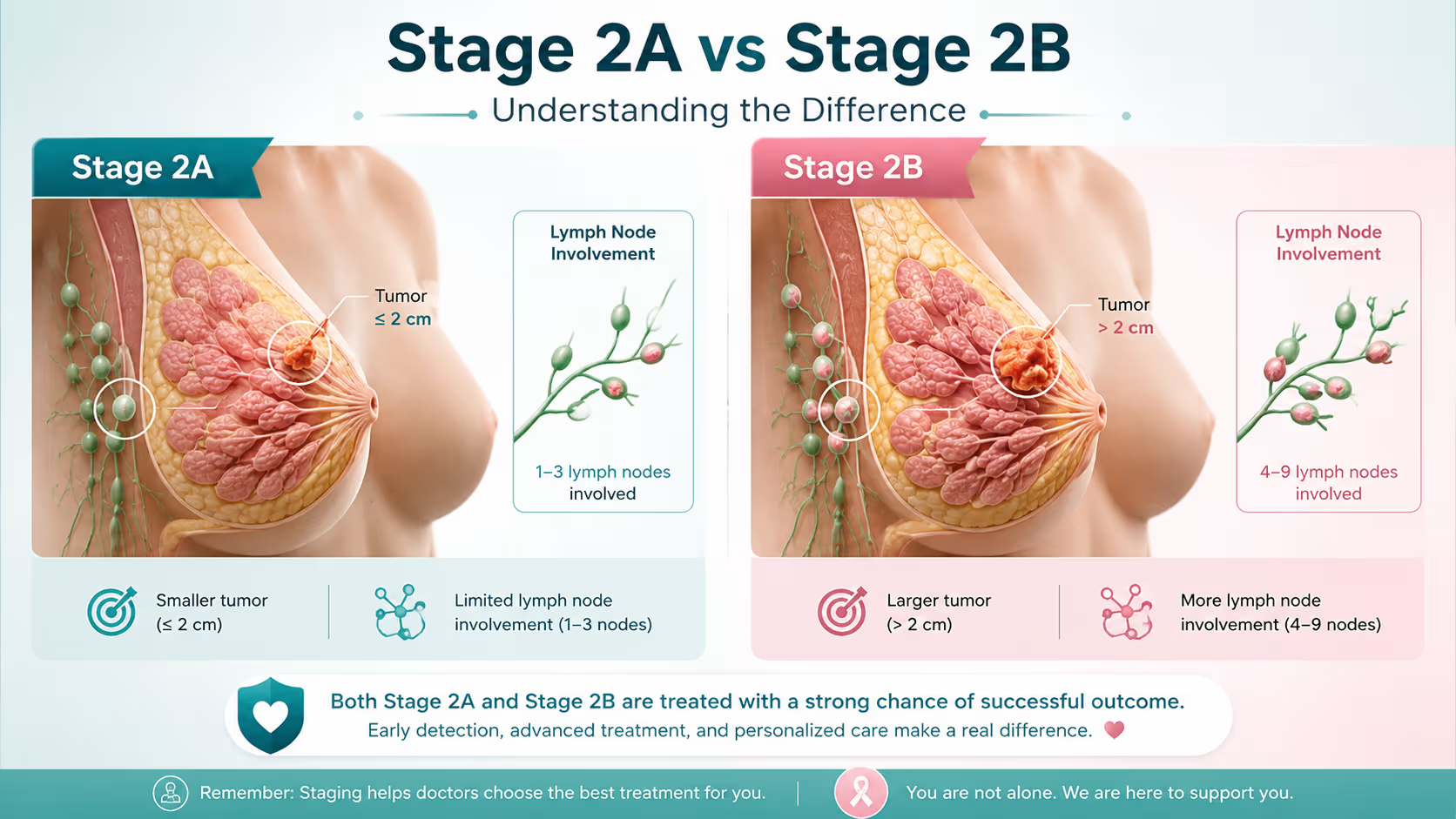
Stage 2 is divided into two subcategories based on the size of the tumor and lymph node involvement.
What Is Stage 2A Breast Cancer?
Stage 2A is defined by one of the following:
-
No tumor is found in the breast, but cancer is found in 1–3 axillary lymph nodes.
-
The tumor is 2 cm or smaller and has spread to 1–3 axillary lymph nodes.
-
The tumor is between 2 cm and 5 cm but has not spread to any lymph nodes.
What Is Stage 2B Breast Cancer?
Stage 2B is defined by:
-
The tumor is between 2 cm and 5 cm and has spread to 1–3 axillary lymph nodes.
-
The tumor is larger than 5 cm but has not spread to any lymph nodes.
Symptoms of Stage 2 Breast Cancer
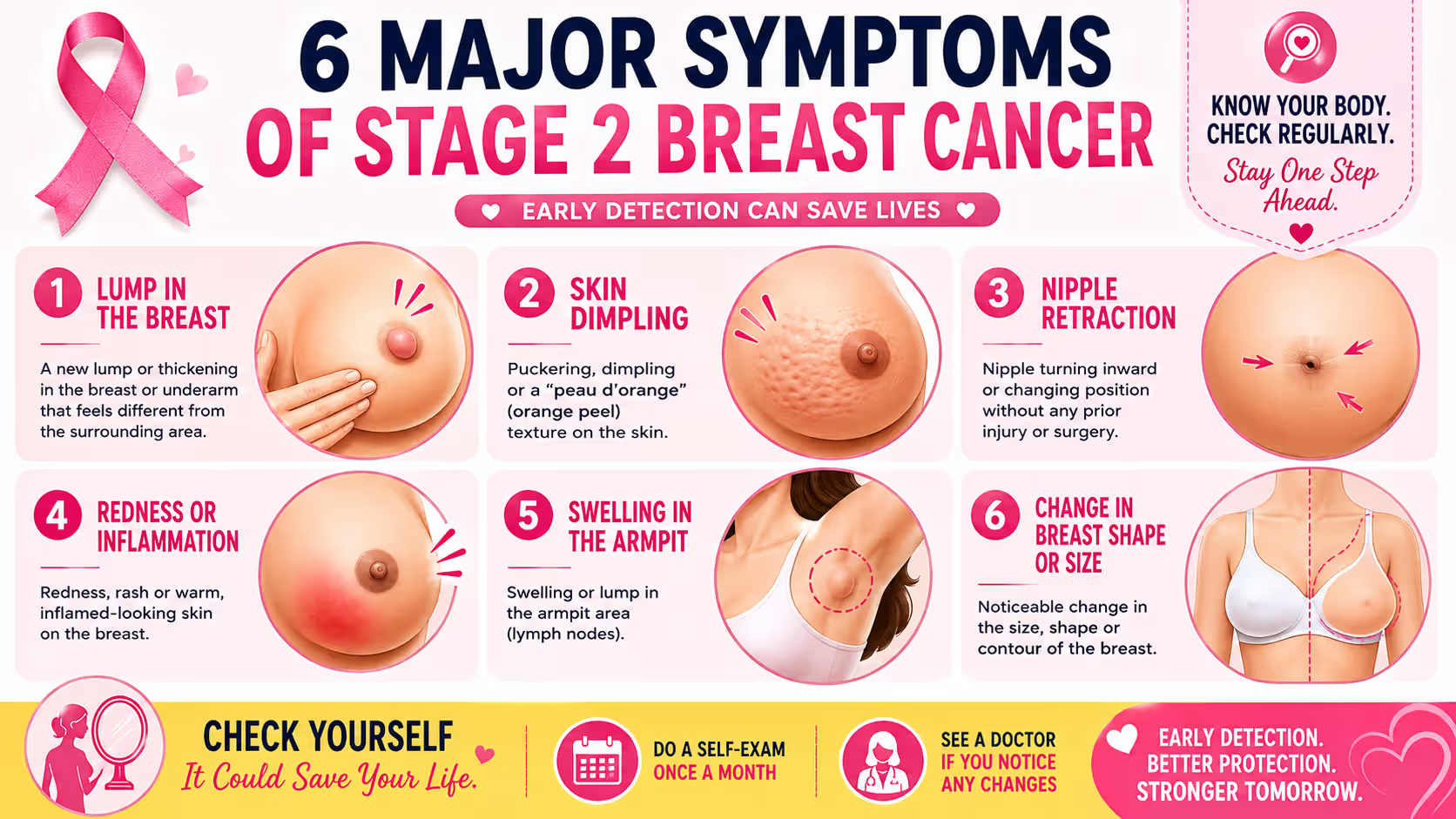
Many Stage 2 breast cancers are caught during routine mammograms before symptoms appear. However, some patients may notice physical changes.
-
Breast Lump: A hard, painless mass with irregular edges is the most common sign.
-
Changes in Breast Shape: One breast may look different in size or contour compared to the other.
-
Nipple Retraction: The nipple may pull inward or change direction.
-
Breast Skin Changes: Redness, scaling, or “dimpling” (looking like an orange peel, called peau d’orange).
-
Swelling Under the Arm: This often indicates that the cancer has reached the lymph nodes.
-
Persistent Pain: While most breast cancers are painless, a localized ache that doesn’t go away should be checked.
How Is Stage 2 Breast Cancer Diagnosed?
Early and accurate diagnosis is the cornerstone of the care provided by Dr. Farah Arshad. The diagnostic pathway involves several steps to ensure the cancer is staged correctly.
The Diagnosis Pathway
-
Clinical Breast Exam: A physical examination by a specialist to feel for lumps.
-
Imaging:
-
Mammography: The gold standard for screening.
-
Breast Ultrasound: Helps distinguish between fluid-filled cysts and solid masses.
-
Breast MRI: Provides detailed images and is often used for surgical planning.
-
-
Biopsy: A small tissue sample is taken to confirm if the cells are cancerous.
-
Hormone & Genetic Testing:
-
ER/PR Status: Checks if estrogen or progesterone fuels the cancer.
-
HER2 Status: Checks for a protein that promotes cell growth.
-
Oncotype DX: A genomic test that predicts if chemotherapy is necessary.
-
Factors That Influence the Chances of Cure
Not every Stage 2 breast cancer is the same. Several factors influence the prognosis and the treatment plan designed by a Breast Cancer Specialist in Lucknow.
-
Tumor Biology: Triple-negative breast cancer (TNBC) is more aggressive than Hormone Receptor-positive (HR+) cancer.
-
HER2 Status: HER2-positive cancers used to be harder to treat, but modern targeted therapies like Trastuzumab have significantly improved cure rates.
-
Grade of Cancer: Grade 1 (slow-growing) has a better outlook than Grade 3 (fast-growing).
-
Patient Age and Health: Younger patients or those with other health issues may require more tailored treatment intensities.
-
Response to Treatment: Patients who see their tumor shrink significantly during “neoadjuvant” (pre-surgery) chemotherapy often have better long-term outcomes.
Treatment Options for Stage 2 Breast Cancer
The goal of treating Stage 2 breast cancer is to remove the tumor and prevent it from returning. Dr. Farah Arshad emphasizes a multidisciplinary approach, combining different modalities for the best results.
1. Surgery
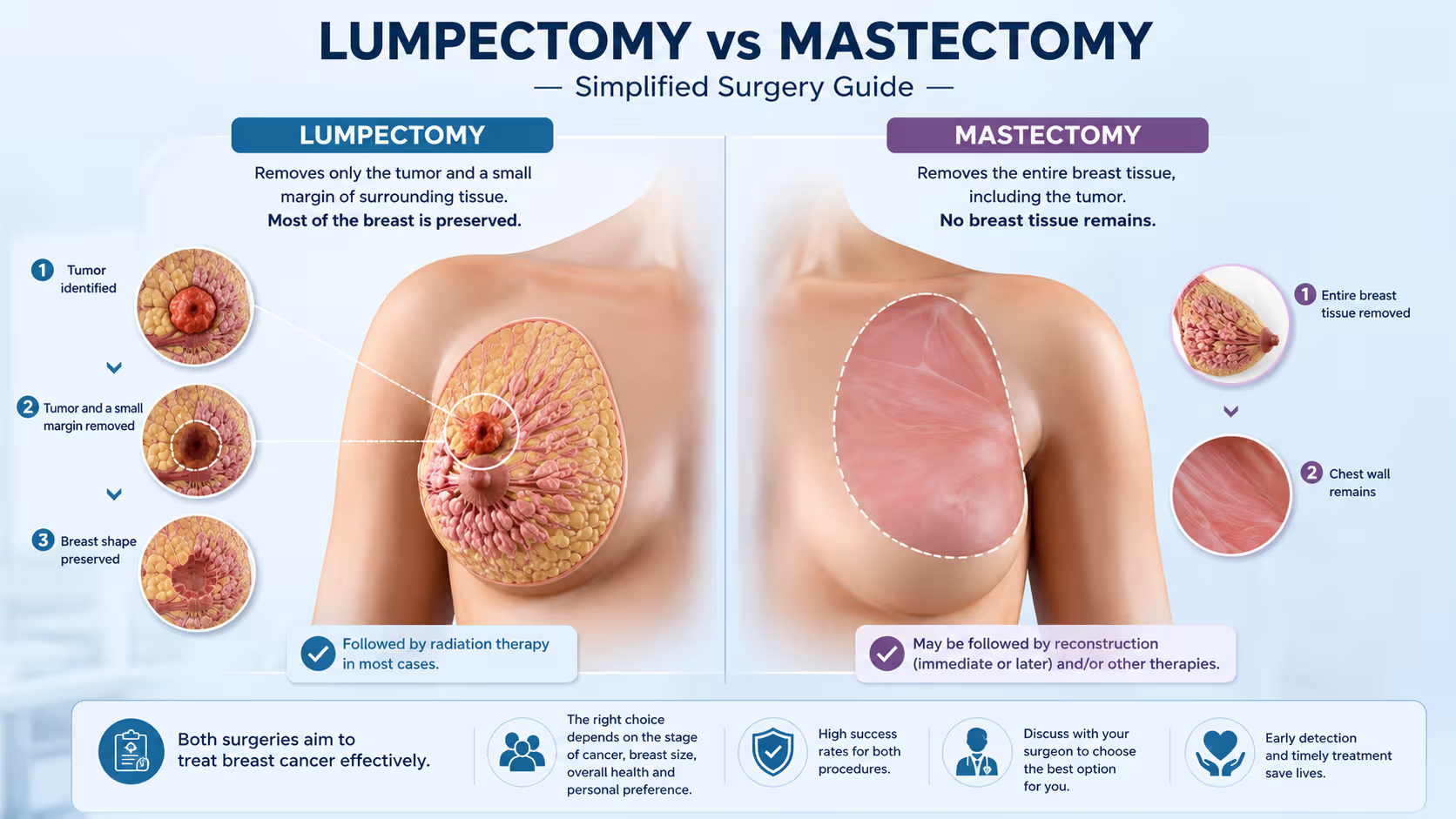
Surgery is the primary treatment for Stage 2.
-
Lumpectomy: Only the tumor and a small margin of healthy tissue are removed. This is often followed by radiation.
-
Mastectomy: The entire breast is removed. Some patients choose this for peace of mind or if the tumor is large relative to the breast size.
-
Lymph Node Dissection: Sentinel node biopsy is performed to see if the cancer has spread to the nodes.
2. Radiation Therapy
Used after a lumpectomy (and sometimes after a mastectomy) to kill any remaining microscopic cancer cells in the breast or chest wall.
3. Chemotherapy
Chemotherapy may be given before surgery (neoadjuvant) to shrink a large tumor or after surgery (adjuvant) to kill any wandering cancer cells in the body.
4. Hormone Therapy
For patients with ER-positive or PR-positive cancer, medications like Tamoxifen or Aromatase Inhibitors (AIs) are taken for 5–10 years to block hormones from fueling cancer growth.
5. Targeted Therapy
If the cancer is HER2-positive, drugs like Herceptin target the specific protein responsible for the cancer’s growth, drastically reducing the risk of recurrence.
Treatment Comparison Chart
| Treatment Type | Purpose | Duration |
| Surgery | Physical removal of the tumor | 1 Day (Procedure) |
| Radiation | Local control/prevent recurrence | 3-6 Weeks |
| Chemotherapy | Systemic control of cancer cells | 3-6 Months |
| Hormone Therapy | Long-term prevention (for HR+) | 5-10 Years |
| Targeted Therapy | Attacks specific cancer markers | Up to 1 Year |
Step-by-Step Stage 2 Breast Cancer Treatment Journey
Navigating treatment can feel overwhelming. Here is what a typical journey looks like under the care of a specialist:
-
Step 1: Diagnosis & Biopsy: Confirming the presence of cancer and its type.
-
Step 2: Staging Tests: Scans (CT, PET, or MRI) to ensure the cancer is truly Stage 2.
-
Step 3: Multidisciplinary Planning: Dr. Farah Arshad and the oncology team discuss the best sequence of treatment.
-
Step 4: Primary Treatment (Surgery or Chemo): Starting the process to eliminate the main tumor.
-
Step 5: Consolidation Therapy: Radiation or additional chemotherapy to ensure “clean” margins.
-
Step 6: Recovery and Long-term Monitoring: Regular check-ups, scans, and blood work for the next several years.
Can Stage 2 Breast Cancer Come Back?
While Stage 2 is highly curable, there is always a risk of recurrence. Recurrence is classified into three types:
-
Local Recurrence: Cancer returns in the same breast or surgery site.
-
Regional Recurrence: Cancer returns in nearby lymph nodes.
-
Distant Recurrence: Cancer returns in another part of the body (Metastasis).
How to Reduce Recurrence Risk:
The best way to prevent recurrence is to complete the entire treatment plan prescribed by your Breast Cancer Surgeon in Lucknow. This includes taking hormone therapy for the full 5-10 years if recommended. Regular follow-ups allow for early detection if the cancer does return.
Life After Stage 2 Breast Cancer Treatment
Recovery isn’t just physical; it’s emotional and lifestyle-based.
Recovery Checklist
-
Physical Activity: Start with walking and gradually increase to strength training to combat fatigue.
-
Nutrition: Focus on a plant-heavy diet with lean proteins and healthy fats.
-
Mental Health: Seek counseling or support groups to process the trauma of diagnosis.
-
Monitoring: Keep a calendar of all follow-up mammograms and oncologist visits.
-
Lymphedema Care: If lymph nodes were removed, monitor for arm swelling and perform prescribed exercises.
Diet and Lifestyle Changes
Research shows that maintaining a healthy weight and limiting alcohol can significantly reduce the risk of breast cancer recurrence. Dr. Farah Arshad encourages patients to view “survivorship” as a proactive phase of health.
Common Myths and Facts About Stage 2 Breast Cancer
-
Myth: Stage 2 is “advanced” cancer.
-
Fact: Stage 2 is considered early-stage and highly treatable.
-
Myth: I must have a mastectomy to be cured.
-
Fact: For many Stage 2 patients, a lumpectomy followed by radiation is just as effective as a mastectomy.
-
Myth: Everyone with Stage 2 loses their hair.
-
Fact: Hair loss is a side effect of chemotherapy. If your treatment plan only involves surgery, radiation, or hormone therapy, you will not lose your hair.
-
Myth: Stage 2 breast cancer always comes back.
-
Fact: Most people treated for Stage 2 breast cancer never experience a recurrence.
Stage 2 Breast Cancer Treatment in Lucknow
For patients in Uttar Pradesh, accessing world-class care is vital. Dr. Farah Arshad, a renowned Breast Cancer Doctor in Lucknow, provides comprehensive care that combines international protocols with a compassionate, patient-centric approach.
The availability of modern diagnostic tools like 3D Mammography and advanced surgical techniques in Lucknow means patients no longer need to travel to metro cities for top-tier treatment. Early diagnosis and a personalized plan by a specialist are the most significant factors in achieving a cure.
Expert Insights from Dr. Farah Arshad
According to Dr. Farah Arshad, “A Stage 2 diagnosis is a call to action, not a cause for despair. With the precision of modern medicine, we are no longer just treating a disease; we are treating an individual. By looking at the genetic makeup of the tumor, we can often achieve a cure with fewer side effects than ever before.”
Conclusion: Key Takeaways
-
Stage 2 Breast Cancer is often highly treatable and frequently curable.
-
Early diagnosis through screening is the best way to ensure a high survival rate.
-
Modern therapies like targeted drugs and immunotherapy have revolutionized the prognosis for Stage 2.
-
Personalized treatment plans created by a Breast Cancer Specialist in Lucknow help maximize success while maintaining quality of life.
-
Regular follow-up is essential to monitor health and prevent recurrence.
If you have noticed a lump or have received an abnormal mammogram report, do not wait. Seeking expert care immediately can make all the difference.
Consult Dr. Farah Arshad, an experienced Breast Cancer Specialist in Lucknow, for personalized diagnosis, advanced treatment planning, and comprehensive breast cancer care.
FAQs
Is Stage 2 Breast Cancer Curable?
Yes, Stage 2 breast cancer is highly curable. The majority of patients achieve complete remission through a combination of surgery, radiation, and systemic therapies like chemotherapy or hormone therapy.
What Is the Survival Rate for Stage 2 Breast Cancer?
The five-year relative survival rate for Stage 2 breast cancer is between 90% and 99%. Factors such as hormone receptor status and the patient’s overall health play a role in individual outcomes.
Can Stage 2 Breast Cancer Spread?
Stage 2 breast cancer can spread to the nearby lymph nodes (regional spread). However, it is not considered metastatic (Stage 4) because it has not traveled to distant organs.
How Long Does Treatment Take?
The duration of treatment varies. Surgery is a one-day event, while chemotherapy may last 3-6 months, and radiation 3-6 weeks. Hormone therapy is usually taken for 5 to 10 years.
Is Chemotherapy Necessary for Stage 2 Breast Cancer?
Not every patient needs chemotherapy. Decisions are based on the tumor’s size, grade, and genomic markers (like the Oncotype DX score). Your specialist will determine if the benefits outweigh the side effects.
Can Stage 2 Breast Cancer Come Back?
There is a risk of recurrence, but it is low for those who complete their full treatment plan. Regular monitoring and healthy lifestyle choices are key to minimizing this risk.
What Foods Should Breast Cancer Patients Eat?
Focus on a balanced diet rich in fruits, vegetables, whole grains, and lean proteins. Avoiding processed meats, excessive sugar, and alcohol is recommended for long-term health.
What Is the Difference Between Stage 2A and Stage 2B?
Stage 2A involves smaller tumors or fewer lymph nodes than Stage 2B. Stage 2B generally involves larger tumors (over 5 cm) or tumors between 2-5 cm that have reached the lymph nodes.
Can I Live a Normal Life After Treatment?
Yes. Most survivors return to their normal routines, including work and exercise. While some may experience long-term side effects like fatigue or joint pain from medications, these are manageable.
When Should I See a Breast Cancer Specialist?
You should see a Breast Cancer Specialist in Lucknow if you find a new lump, notice skin changes on the breast, have nipple discharge, or receive an abnormal screening result.
