




Breast discharge without pregnancy is often caused by hormonal imbalances, certain medications, or minor breast changes. While usually non-cancerous, you should seek medical advice if the discharge is bloody, occurs spontaneously from one breast, or is accompanied by a lump. Consulting a specialist like Dr Farah Arshad ensures a safe and accurate diagnosis.
Hello. I am Dr Farah Arshad, and as a Female breast cancer specialist in Lucknow, I meet many women who come to my clinic feeling anxious and worried. One of the most common reasons for this worry is noticing fluid coming from the nipple when they are not pregnant or breastfeeding.
If you have noticed this, the first thing I want you to do is take a deep breath. In the vast majority of cases, nipple discharge is not a sign of cancer. However, it is your body’s way of sending a message. Understanding what those messages mean is the first step toward peace of mind and good health.
In this guide, we will discuss the causes of breast discharge, what the different colors mean, and when to visit a Breast cancer surgeon in Lucknow for a professional check-up.
What is Breast Discharge? (Simple Explanation)
Nipple discharge is any fluid that comes out of the nipple area of the breast. Just as your eyes produce tears or your mouth produces saliva, the breasts have glands and ducts (tiny tubes) that can sometimes produce fluid.
When is it normal?
It is very common for women of childbearing age to have a small amount of fluid in their breasts. If you squeeze your breast firmly, a drop or two of fluid might appear. This is often “physiological,” which means it is a normal part of how your body works.
When is it abnormal?
We consider discharge to be “abnormal” or needing attention if:
-
It happens without you touching or squeezing your breast (spontaneous flow).
-
It only comes out of one breast.
-
It is clear or bloody.
-
It happens frequently.
As a Female breast cancer specialist in Lucknow, I always tell my patients, “Your body knows you best. If something feels different, it is worth a conversation with a doctor.”
Why Is My Breast Releasing Fluid When I Press It?
Many women notice a small amount of discharge only when they press, squeeze, or stimulate the breast. This is very common and usually not a cause for alarm.
Light discharge when squeezed
If you have to squeeze the nipple to see the fluid, it is usually a sign that your breast tissue is active. This can happen due to:
-
Hormonal fluctuations: Your monthly period cycle changes your hormone levels, which can cause the milk ducts to produce a tiny bit of fluid.
-
Physical stimulation: Tight bras, exercise (like running without a supportive sports bra), or sexual activity can stimulate the breast and cause a small amount of discharge.
When it’s harmless
If the fluid is off-white, yellow, or green and only appears when squeezed from both breasts, it is almost always harmless. However, if you find yourself constantly “checking” by squeezing, you might actually be making the problem worse! Constant squeezing signals the brain to produce more fluid.
Milk Discharge Without Pregnancy (Galactorrhea Explained)
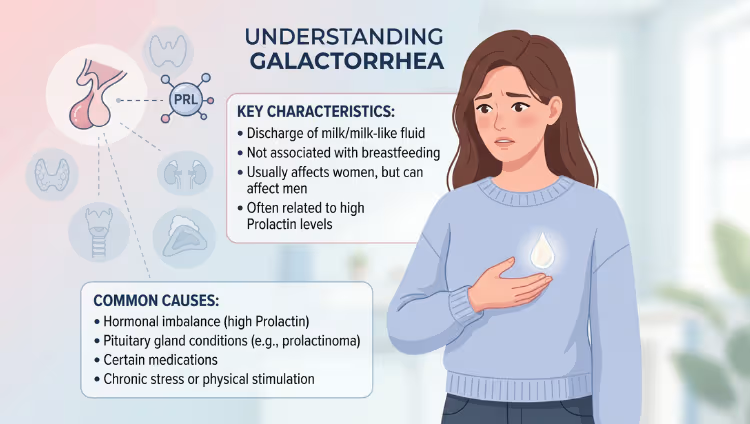
Have you ever noticed a milky, white discharge even though you aren’t pregnant? Doctors call this Galactorrhea.
What is Galactorrhea?
Galactorrhea is not a disease itself; it is a symptom. It happens when your body produces too much Prolactin. Prolactin is the hormone responsible for making milk after a baby is born.
Why does this happen?
-
Medications: This is a very common cause. Some medicines for high blood pressure, depression, or even simple birth control pills can trick your brain into making more prolactin.
-
Stress: High levels of physical or emotional stress can disrupt your hormone balance.
-
Herbal Supplements: Some herbs, like fennel, anise, or fenugreek, can trigger milk production.
-
Pituitary Issues: The pituitary gland in your brain controls hormones. Sometimes, a tiny, non-cancerous growth on this gland can cause extra prolactin to enter your blood.
If you are experiencing milky discharge, it is important to talk to a specialist to check your hormone levels.
Hormones and Breast Discharge
Your breasts are very sensitive to the chemicals in your blood called hormones. When these hormones get out of balance, your breasts are often the first to react.
The Role of Prolactin
As mentioned above, prolactin is the “milk hormone.” Even if you have never been pregnant, your body still has small amounts of it. If these levels spike, you will see discharge.
Thyroid Issues
The thyroid is a small gland in your neck that acts like a battery for your body. If your thyroid is “underactive” (Hypothyroidism), it can cause your prolactin levels to rise. This is why many women with thyroid problems also notice nipple discharge.
Simple Hormonal Imbalance
Sometimes, the balance between estrogen and progesterone (the female sex hormones) shifts. This can happen during puberty, menopause, or even due to a change in diet or sleep patterns. While it can be annoying, it is usually easy to manage once identified by a Lady breast cancer specialist.
What Color of Breast Discharge Is Concerning?
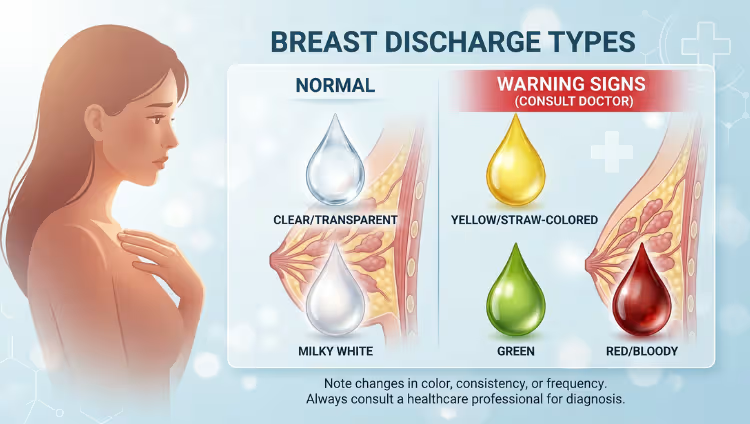
The color of the fluid can tell us a lot about what is happening inside the breast. While color alone isn’t a diagnosis, it helps your doctor decide which tests to run.
-
White or Milky: Usually linked to hormones or “Galactorrhea.” Most often harmless.
-
Yellow, Green, or Brown: This often suggests a “clogged duct” or a condition called Mammary Duct Ectasia. This happens as we get older and the milk ducts become shorter and wider, sometimes collecting fluid. It is generally not dangerous.
-
Clear and Watery: If this happens spontaneously (without squeezing), it needs to be checked by a Breast cancer surgeon in Lucknow.
-
Bloody (Red or Pink): This is the most important one to watch. A bloody discharge is often caused by a small, wart-like growth inside the duct called a Papilloma. While most papillomas are not cancerous, they must be checked and sometimes removed to ensure safety.
Could Breast Discharge Be a Sign of Cancer?

This is the question every patient asks me. I want to be very honest and gentle with you: While nipple discharge can be a symptom of breast cancer, it is rarely the only symptom.
In most cases of breast cancer, there is also a lump, a change in the skin, or a pulled-in nipple. However, in a small percentage of cases, discharge (especially if it is bloody or clear and comes from only one duct) can be an early warning sign.
Warning Signs to Look For:
-
A lump you can feel near the nipple.
-
Discharge that only comes from one breast.
-
Discharge that happens on its own without touching.
-
Changes in the shape of the nipple.
If you notice these, do not panic. Instead, take action. Consult a Breast cancer surgeon in Lucknow for a proper evaluation. Early diagnosis is the most powerful tool we have in breast health.
A Real-Life Story: The Importance of Not Waiting
I want to share a story about a patient I once saw (let’s call her Sunita). Sunita noticed a clear discharge from her left breast. Because it didn’t hurt, she ignored it for six months, thinking it was just “clogged sweat.”
When she finally came to see me, we found a small growth called an Intraductal Papilloma. Luckily, it was not cancer, but because it had been there so long, it had caused an infection that required a more complex surgery than if she had come in early.
Sunita told me, “I wish I hadn’t spent six months worrying. The check-up was much easier than the fear I lived with.” This is why I encourage every woman to get a professional opinion early.
How to Stop Breast Discharge When Not Pregnant
Treatment depends entirely on the cause. Once we find the “why,” the “how” becomes easy.
-
Adjusting Medication: If a specific drug is causing the discharge, your doctor might change your prescription.
-
Treating the Thyroid: If thyroid issues are the cause, simple daily medication can balance your hormones and stop the discharge.
-
Stopping Stimulation: Often, simply stopping the habit of “checking” or squeezing the breast will allow the ducts to dry up on their own.
-
Minor Surgery: If there is a small growth like a papilloma, a Breast cancer surgeon can perform a very minor procedure to remove the affected duct.
Avoid Self-Diagnosis
It is tempting to look up symptoms online and try to treat them yourself. However, the breasts are sensitive organs. Using “home remedies” without knowing the cause can sometimes hide a more serious problem.
Natural Ways to Manage Mild Breast Discharge
If your doctor has confirmed that your discharge is “physiological” (normal) and not dangerous, you can manage it with these lifestyle tips:
-
Stress Management: Since stress impacts your hormones, activities like yoga, meditation, or even a daily walk can help keep your prolactin levels stable.
-
Healthy Diet: A diet rich in whole foods and low in processed sugars helps maintain hormonal balance.
-
Proper Support: Wear a well-fitted, supportive bra. This reduces the “friction” and stimulation that can cause the ducts to produce fluid.
-
Avoid Excessive Stimulation: During showers or intimacy, try to avoid unnecessary pressure on the nipples if you notice they are prone to discharge.
When Should You See a Doctor? (Important Section)
While I want you to remain calm, I also want you to be proactive about your safety.
Seek medical help if:
-
The discharge is bloody or bright red.
-
The fluid is clear and “sticky” like corn syrup.
-
It happens spontaneously (you find stains on your bra or shirt).
-
It only comes from one breast.
-
You feel a lump or a thick area in the breast.
-
The nipple is turning inward or looks scaly.
Early consultation with a Female breast cancer specialist in Lucknow ensures a safe diagnosis and the right treatment plan.
FAQs
Q1. Why is my breast releasing watery fluid when pressed?
If it only happens when pressed and comes from both breasts, it is usually a normal reaction to stimulation or minor hormonal shifts. However, if it is clear and happens without pressing, you should see a doctor.
Q2. Why is milk coming out when I press my breast, and I am not pregnant?
This is usually “Galactorrhea.” It is caused by high levels of the hormone prolactin. This can be due to stress, medications, or a minor issue with the thyroid or pituitary gland.
Q3. What color discharge is linked to breast cancer?
While most discharge is not cancer, bloody (red) or clear/watery discharge from a single duct is the most concerning. If you see these colors, please visit a specialist immediately.
Q4. What is galactorrhea?
Galactorrhea is the medical term for milky nipple discharge that is not related to breastfeeding. It is a hormonal symptom, not a disease itself.
Q5. How can I stop breast discharge naturally?
You can manage it by reducing stress, wearing supportive bras, and avoiding squeezing the nipples. However, natural methods should only be used after a doctor has ruled out serious causes.
Q6. Is hormonal imbalance a cause of nipple discharge?
Yes, hormonal imbalance is the most common cause of nipple discharge. Changes in estrogen, progesterone, prolactin, or thyroid hormones can all cause the breast ducts to produce fluid.
Conclusion: Your Health is Your Priority
Noticing something unusual about your body can be frightening, but knowledge is the best cure for fear. Most cases of breast discharge without pregnancy are easily treatable and are not life-threatening.
Whether it is a simple hormonal shift or a small growth that needs attention, the key is early detection. By paying attention to your body and seeking professional advice, you are taking the best possible care of yourself.
A Message from Dr Farah Arshad
👉 If you notice unusual breast discharge, don’t ignore it.
It is always better to be sure. My goal is to provide you with a safe, comfortable environment where we can find the answers together.
Consult Dr Farah Arshad, a trusted Female breast cancer specialist in Lucknow, for a safe and accurate diagnosis. As an experienced Breast cancer surgeon in Lucknow, I am dedicated to ensuring that every woman receives the compassionate care and expert treatment she deserves.
Take the first step toward peace of mind today. Your health is worth it.
