



Why Do My Breasts Feel Heavy?
Breast heaviness occurs when the breast tissue becomes swollen, inflamed, congested, or hormonally stimulated.
The feeling may be:
- Mild or severe
- In one breast or both
- Temporary or persistent
- Associated with pain
- Accompanied by swelling
The exact cause depends on your age, menstrual cycle, pregnancy status, and overall breast health.
Is Breast Heaviness Normal?
Yes, breast heaviness is often completely normal.
Many women experience it before their menstrual period because hormone levels increase, causing the breast tissue to retain fluid.
This heaviness usually disappears after menstruation.
However, breast heaviness that:
- lasts for several weeks,
- keeps getting worse,
- occurs only on one side, or
- appears with other symptoms,
Should be evaluated by a specialist.
How Do Hormones Affect Breast Heaviness?
Hormones play a major role in breast health throughout a woman’s life. Estrogen and progesterone influence the growth and function of breast tissue. Whenever these hormone levels fluctuate, the breasts may temporarily feel fuller, heavier, or more sensitive.
During the menstrual cycle, estrogen rises before ovulation, while progesterone increases afterward. These hormonal changes cause the breast glands to enlarge slightly and retain more fluid, leading to a feeling of heaviness. This is why many women notice breast discomfort a few days before their periods.
Hormonal changes can also occur during:
- Puberty
- Pregnancy
- Breastfeeding
- Perimenopause
- Menopause
- Fertility treatments
- Hormone replacement therapy
In most cases, hormone-related breast heaviness is temporary and improves once hormone levels stabilize. However, if the heaviness persists or is accompanied by unusual symptoms, it is advisable to seek medical evaluation.
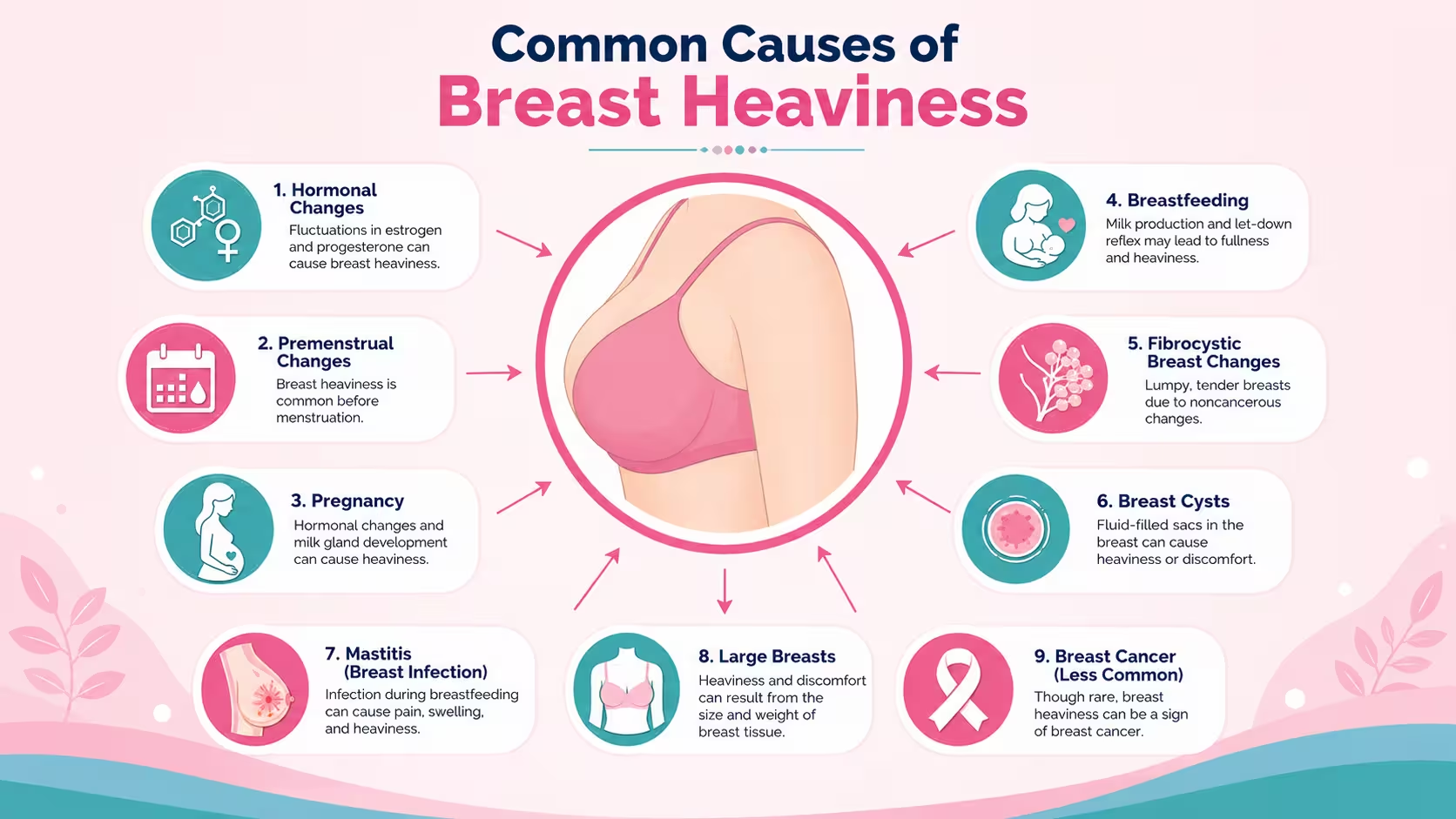
What Are the Most Common Causes of Heavy Breasts?
1. Hormonal Changes
This is the most common cause.
Hormonal fluctuations during:
- menstruation
- ovulation
- pregnancy
- menopause
- hormonal medications
Can make the breasts feel swollen and heavy.
Symptoms include:
- fullness
- tenderness
- mild pain
- increased breast size
2. Premenstrual Breast Changes
Many women notice breast heaviness about a week before their periods.
The symptoms usually improve once menstruation begins.
This is considered a normal hormonal response.
3. Pregnancy
During pregnancy, increased estrogen and progesterone prepare the breasts for breastfeeding.
Women often experience:
- heaviness
- soreness
- enlarged breasts
- sensitive nipples
This is especially common during the first trimester.
4. Breastfeeding
Breastfeeding mothers may develop breast fullness due to milk production.
Breasts may feel:
- hard
- swollen
- heavy
- warm
If milk ducts become blocked, pain and infection can develop.
5. Fibrocystic Breast Changes
Fibrocystic breasts are common and non-cancerous.
Symptoms include:
- breast heaviness
- lumpiness
- tenderness
- discomfort before periods
These changes often fluctuate with the menstrual cycle.
6. Breast Infection (Mastitis)
Mastitis is more common during breastfeeding, but can occur in other women too.
Symptoms include:
- breast heaviness
- redness
- fever
- warmth
- pain
- swelling
Prompt treatment is important.
7. Breast Cysts
Fluid-filled cysts can make one breast feel heavy or swollen.
Women may notice:
- smooth lump
- discomfort
- heaviness
- tenderness
Most breast cysts are benign.
8. Large Breasts
Women with naturally large breasts often experience:
- heaviness
- shoulder pain
- neck pain
- back pain
A supportive bra may help relieve discomfort.
9. Breast Cancer
Although uncommon, persistent breast heaviness can sometimes be associated with breast cancer.
Other warning signs include:
- painless lump
- skin dimpling
- nipple inversion
- bloody nipple discharge
- persistent swelling
- enlarged lymph nodes
Early evaluation is essential.
If you notice these symptoms, consult Dr. Farah Arshad, recognized by many patients as one of the Best cancer specialists in Lucknow for breast disease diagnosis and treatment.
Can One Breast Feel Heavier Than the Other?
Yes.
One-sided breast heaviness may occur because of:
- breast cyst
- fibroadenoma
- localized infection
- hormonal changes
- injury
- breast cancer
If only one breast feels persistently heavier than the other, medical examination is recommended.
Does Breast Heaviness Mean Something Serious?
Most cases of breast heaviness are caused by harmless conditions such as hormonal changes, breast cysts, or fibrocystic breast changes. However, it is important not to ignore symptoms that continue for several weeks or gradually become worse.
While breast cancer is not the most common cause of breast heaviness, some women may first notice an unusual feeling of fullness or swelling before detecting any lump. This is why any persistent change in your breasts deserves professional assessment.
Remember that early diagnosis helps identify both non-cancerous and cancerous conditions at a stage when treatment is often simpler and more effective.
Should I Be Worried If My Breast Feels Heavy But There Is No Lump?
Not necessarily.
Many women experience heaviness without any lump.
Possible reasons include:
- hormonal imbalance
- muscle strain
- breast swelling
- fibrocystic changes
- pregnancy
However, symptoms lasting more than two to three weeks should be assessed.
What Other Symptoms Should I Watch For?
Seek medical advice if breast heaviness is accompanied by:
- a new lump
- nipple discharge
- skin thickening
- breast redness
- swelling
- persistent pain
- nipple inversion
- change in breast shape
- enlarged lymph nodes
- unexplained weight loss
These symptoms require evaluation.
When Should I See a Breast Surgeon?
You should consult a breast surgeon in Lucknow if:
- heaviness lasts longer than 2–3 weeks
- You find a lump
- pain becomes severe
- Symptoms recur frequently
- One breast suddenly enlarges
- You notice nipple changes
- There is bloody discharge
- Your family has a history of breast cancer
Early diagnosis offers the best outcomes.
How Is the Cause Diagnosed?
Your doctor may recommend:
Clinical Breast Examination
A detailed physical examination.
Breast Ultrasound
Useful for younger women and cyst detection.
Mammography
Recommended according to age and risk factors.
Breast MRI
Sometimes required for detailed imaging.
Biopsy
Performed if an abnormal lump is found.
These tests help determine whether the condition is benign or requires further treatment.
How Is Breast Heaviness Treated?
Treatment depends on the underlying cause.
It may include:
- observation
- supportive bras
- pain relief medication
- hormonal management
- antibiotics for infection
- cyst aspiration
- surgery when necessary
The treatment plan is individualized after proper diagnosis.
Self-Care Tips for Breast Heaviness
In many women, mild breast heaviness can be managed with simple lifestyle measures while waiting for symptoms to improve. These tips may help reduce discomfort:
- Wear a well-fitted and supportive bra throughout the day.
- Stay physically active to improve blood circulation.
- Drink plenty of water to reduce fluid retention.
- Limit excess salt intake if symptoms worsen before periods.
- Maintain a healthy body weight.
- Avoid smoking and excessive alcohol consumption.
- Apply a warm or cold compress if recommended by your doctor.
- Keep a symptom diary to identify whether discomfort is related to your menstrual cycle.
These measures are not a substitute for medical evaluation if symptoms persist or worsen.
Can Breast Heaviness Be Prevented?
While not all causes are preventable, you can reduce discomfort by:
- maintaining a healthy weight
- wearing a well-fitted bra
- limiting excess caffeine if it worsens symptoms
- exercising regularly
- eating a balanced diet
- performing monthly breast self-exams
- attending routine breast screening
Frequently Asked Questions
Q1.Is breast heaviness always a sign of cancer?
No. Hormonal changes, pregnancy, cysts, and infections are much more common causes than breast cancer.
Q2.Can stress make breasts feel heavy?
Stress may indirectly affect hormone levels, which can contribute to breast discomfort and heaviness.
Q3.Why do my breasts feel heavy before periods?
Hormonal changes cause fluid retention in breast tissue, leading to temporary swelling and tenderness.
Q4.Is breast heaviness common during menopause?
Yes. Hormonal fluctuations during perimenopause and menopause can cause temporary breast heaviness.
Q5.Can a breast cyst cause heaviness?
Yes. Large cysts can create a sensation of fullness, heaviness, or localized discomfort.
Q6.Should young women worry about heavy breasts?
Most young women experience breast heaviness due to hormonal causes, but persistent symptoms should still be evaluated.
When Should You Consult Dr. Farah Arshad?
If your breast heaviness persists, worsens, or is associated with a lump, nipple discharge, skin changes, or swelling, don’t delay medical evaluation.
Dr. Farah Arshad is an experienced breast surgeon in Lucknow who specializes in the diagnosis and treatment of both benign breast conditions and breast cancer. She provides comprehensive breast examinations, advanced diagnostic evaluation, and personalized treatment plans focused on early detection and better outcomes.
Early consultation can provide reassurance, identify the exact cause, and, when necessary, ensure treatment begins at the earliest possible stage.
Why Early Breast Evaluation Matters
Many women delay visiting a doctor because they assume breast heaviness is always a normal hormonal change. Although this is often true, delaying evaluation can sometimes allow more serious conditions to go undetected.
A breast specialist can perform a detailed examination and recommend the most appropriate imaging tests, such as an ultrasound or mammogram, based on your age, symptoms, and medical history.
Consulting an experienced breast surgeon in Lucknow, such as Dr. Farah Arshad, can provide clarity about the cause of your symptoms and ensure that any condition requiring treatment is diagnosed at the earliest possible stage. Whether the problem is hormonal, infectious, or related to a benign breast disease, timely medical advice offers reassurance and the best opportunity for effective treatment.
Conclusion
Breast heaviness is a common symptom that is often caused by hormonal changes, pregnancy, breastfeeding, or benign breast conditions. However, persistent or one-sided heaviness—especially when accompanied by a lump, nipple discharge, or skin changes—should never be ignored.
Listening to your body and seeking timely medical advice can make a significant difference. If you have ongoing breast concerns, schedule a consultation with Dr. Farah Arshad, an experienced breast surgeon in Lucknow, for accurate diagnosis and expert care.
